

From Lagos to London: How Eku Edewor built a UK media career


Send from


Exchange Rate
– – –
GBP 1 = NGN 2030.28232
Transfer Fee
Free – – – 0.99 0.99 USD
Receiver gets


Powered by Moka United
Delivered in minutes
Eku Edewor’s career is shaped by movement, not just professionally, but geographically and culturally.
Long before she became a familiar face in UK media, she was already navigating life between Lagos and London. That back-and-forth quietly shaped her instincts: how she speaks, how she presents, and how she connects with audiences on both sides of the Atlantic.
What makes her story distinctive isn’t that she chose one place over the other. It’s that she learned how to belong to both — and turned that into a professional strength.
Leaving Lagos and finding her footing in Britain
Edewor spent her early years moving between Nigeria and the UK, but settling in Britain as a teenager marked a turning point.
The shift from Lagos to British school corridors brought familiar challenges: adapting to new accents, unspoken social rules, and an education system that often expects conformity. Like many Nigerians growing up in the UK, she had to balance fitting in with staying rooted in who she was.
University life gave her space to explore performance more seriously. Drama societies, student productions, and exposure to London’s creative scene helped build confidence — not just in front of an audience, but in her own voice. This was where her story began to move from student in Britain to aspiring media professional.
Breaking into British television
Eku Edewor’s presence on British screens looks effortless — but it was built deliberately.
She approached the UK media industry as a craft to learn, not a shortcut to fame. Early work included background roles, auditions, screen tests, and small parts that taught her how British television really functions. Call sheets, casting rooms, long days on set — all part of the education.
What set her apart was range. She could move comfortably between formats, audiences, and references. Lagos gave her confidence and cultural fluency; London gave her industry discipline and polish. Instead of flattening her identity, she leaned into it — using perspective, style, and ease on camera to bring something genuinely new to familiar formats.
Over time, that consistency helped shift how Nigerian presenters were perceived in UK media: not as novelties, but as part of the everyday broadcasting landscape.
Bridging Lagos style and London culture
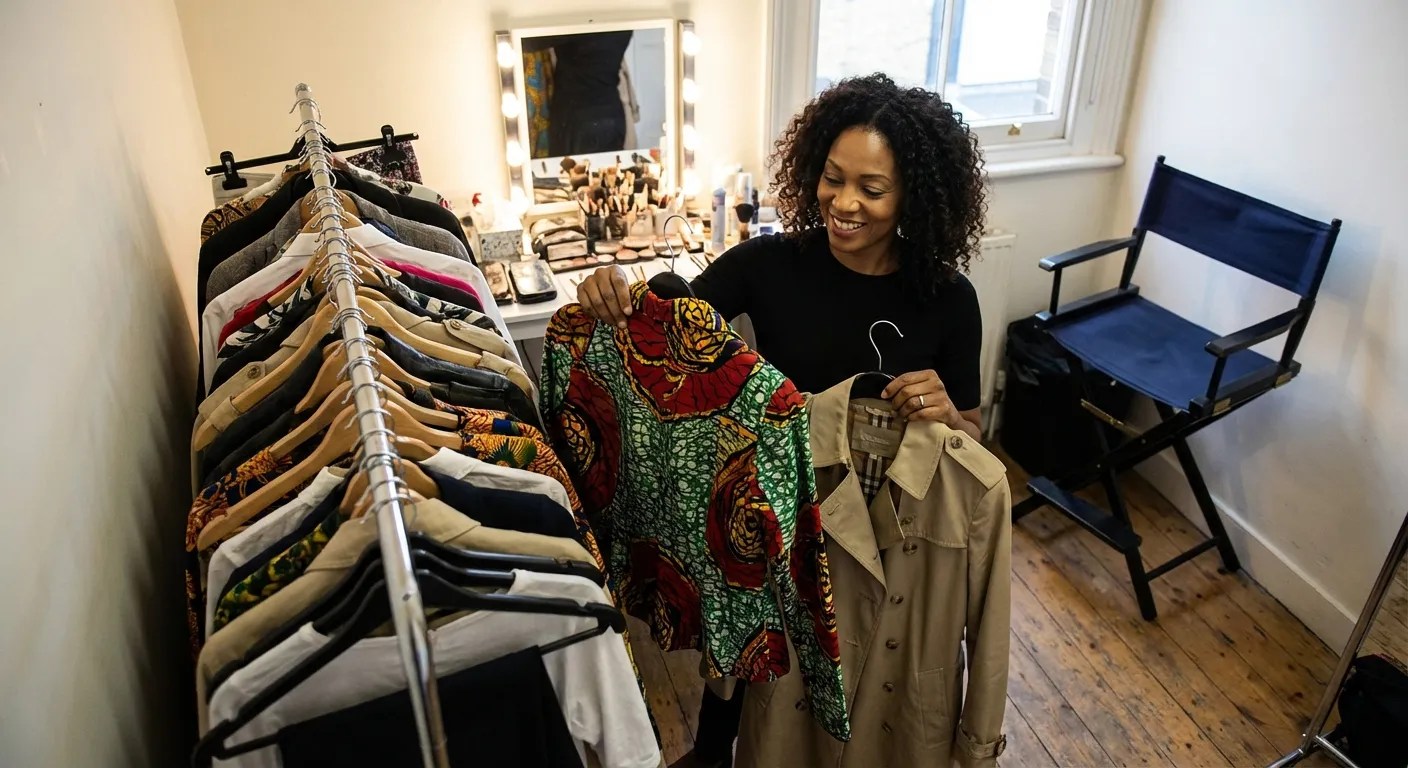
Edewor doesn’t compartmentalise her identity — and audiences notice.
On screen, you see it in how she dresses, how she speaks, and what she chooses to spotlight. Afrobeats, Nollywood, West African designers and cultural references sit naturally alongside British television rhythms, humour, and understatement.
She understands both worlds well enough to translate between them — without over-explaining either. That balance makes her relatable to Nigerians across the UK who want to see something familiar reflected back at them, and to British viewers curious about modern African culture beyond clichés.
In doing so, her work quietly expands what “British” can look and sound like on screen — without turning identity into a gimmick.
Lessons for aspiring Nigerian presenters in the UK
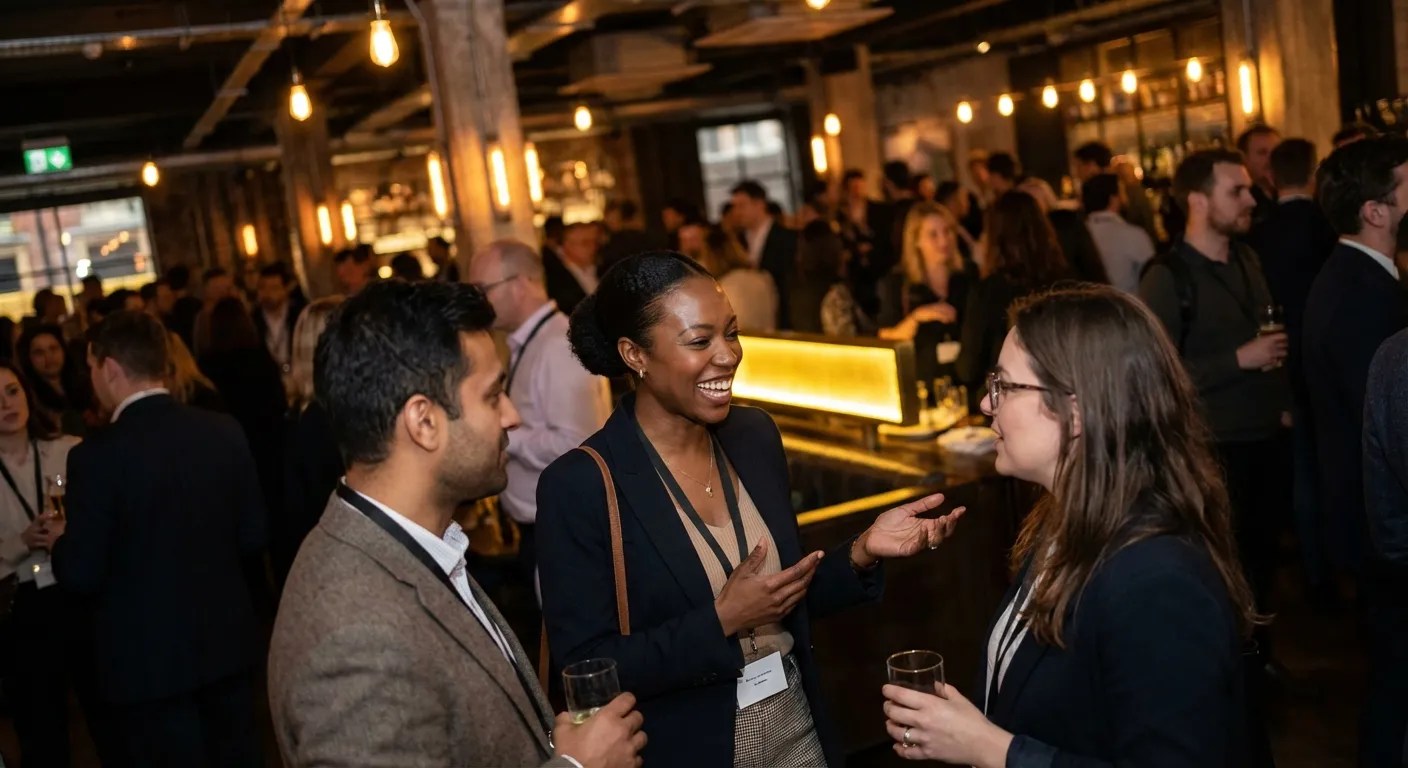
Eku Edewor’s journey offers practical lessons for anyone hoping to follow a similar path.
Your background is an asset
British media is actively looking for lived experience. Accent, upbringing, and cultural perspective can help you stand out — if you own them confidently.
Build range, not just visibility
Presenting, acting, modelling, digital content — versatility matters. The more formats you can handle, the easier it is for producers to place you.
Learn the industry from the inside
Time on UK sets — as a runner, assistant, or junior creative — teaches you how commissioning, production, and on-set professionalism actually work.
Network with intention
Focus on real relationships, not vague exposure. Industry schemes, creative communities, and small digital opportunities often lead to bigger roles when you’re reliable and prepared.
What her journey says about representation on British screens
Eku Edewor’s career reflects a broader shift in UK media — but also highlights how much work remains.
Visibility changes who feels included
For British Nigerians and second-generation audiences, seeing someone who moves naturally between Lagos and London challenges outdated ideas of who belongs on TV.
British identity is layered
Her presence reinforces that Britishness can be Nigerian, global, mixed-heritage, and still entirely authentic.
Representation must go beyond tokenism
Her roles show that Nigerian presenters don’t need to appear only in culturally “specific” slots. Skill and versatility should come first.
Cross-border lives are normal — TV should reflect that
For families sending money home, travelling back and forth, and living hybrid lives, her career finally mirrors reality rather than exception.
At the same time, her success underlines scarcity. One visible career is encouraging; many would signal real change. Her journey is both proof of progress — and a challenge to the industry to widen the lens further.
A career shaped by movement, not compromise
Eku Edewor didn’t succeed by choosing between Lagos and London. She succeeded by learning how to carry both with her.
That ease — between cultures, audiences, and expectations — is what makes her presence on British screens feel natural. It’s also what makes her story resonate far beyond media: a reminder that hybrid identities aren’t something to manage away, but something to build on.


Popular articles





Invite friends to TransferGo, earn £20