

Registering with a GP: what it means and why it matters


Send from


Exchange Rate
– – –
GBP 1 = NGN 2030.28232
Transfer Fee
Free – – – 0.99 0.99 USD
Receiver gets


Powered by Moka United
Delivered in minutes
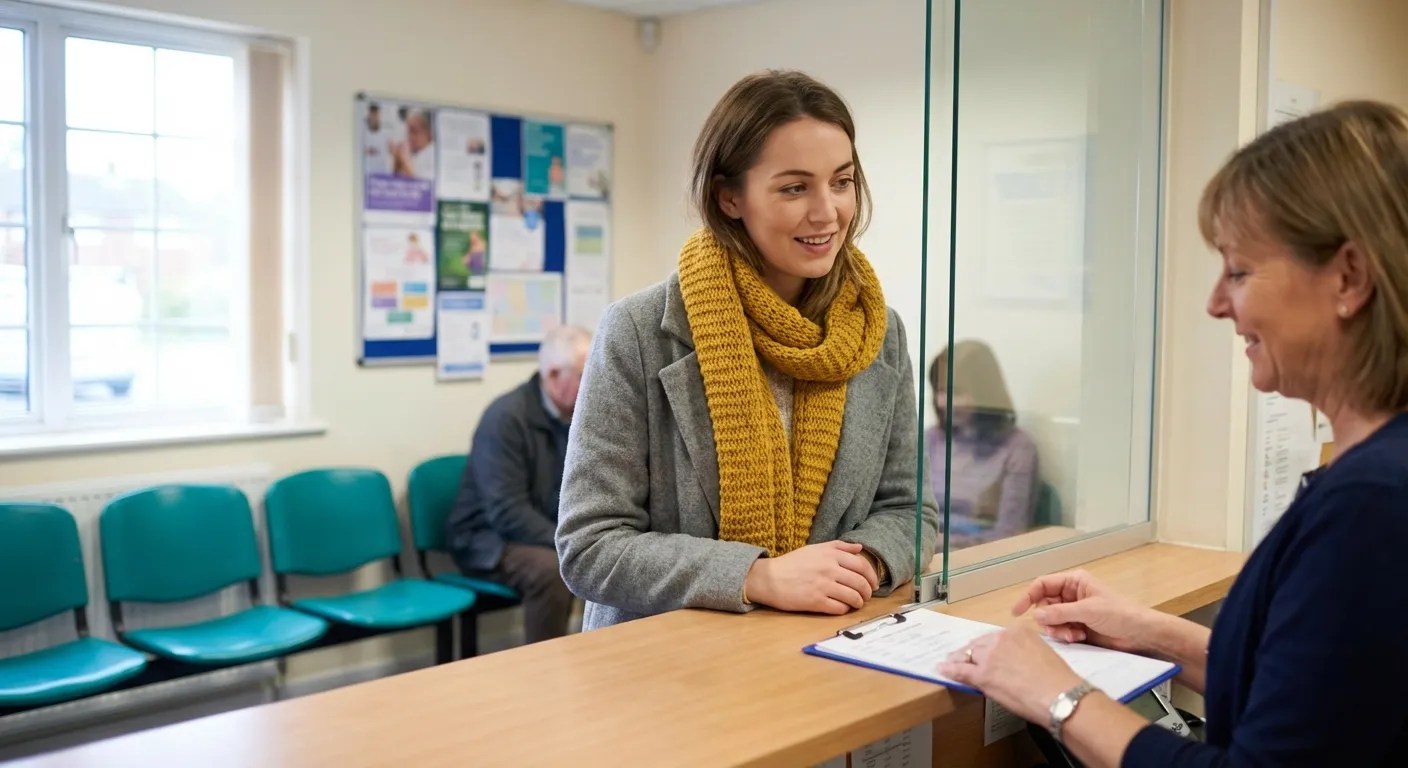
Registering with a GP is how you join an NHS GP surgery so you can get everyday healthcare in the UK. Your GP is usually your first contact for non-emergency problems-whether that is a cough that will not go away, long-term condition reviews, repeat prescriptions or a referral to hospital. Knowing how GP registration works in the UK means you are less likely to face delays when you actually need an appointment.
When you register, the practice adds you to its list so you can use its services. You do not have to pay to register and, in most cases, you do not need to live in the UK permanently. NHS rules on GP access mean surgeries should not refuse to register you just because of your nationality, immigration status or lack of a fixed address.
Further down this guide, we will look at the documents NHS surgeries often ask for when you register, and what to do if you have problems signing up with a GP or you are facing long waiting times.
Table of contents
- Understanding GP registration and NHS general practice in the UK
- Documents needed for GP registration on the NHS
- What if you do not have these documents?
- Who can register with an NHS GP?
- GP registration problems and waiting times and how to deal with them
- What to do after registering with a GP and how to get the most from your NHS care
- How to register with a GP surgery in England
How to register with a GP in the UK: step-by-step guide
To make registering with a GP easier, follow these simple steps. This is how to register with a GP in the UK in practice:
- 1. Find a local GP surgery
Use your postcode to look for GP surgeries near your home or work. Check their catchment area and whether they’re accepting new patients. - 2. Contact the surgery
You can usually start registration online, by phone or in person. Ask about their process, opening hours and any specific access needs. - 3. Complete the registration form
Most surgeries use the GMS1 form plus their own short health questionnaire. Fill in as much as you can, including your NHS number if you know it. - 4. Provide supporting details
As the next section explains, documents needed for GP registration are often straightforward-but you should not be refused registration just because you do not have ID or proof of address. - 5. Wait for confirmation
The surgery will add you to its list and confirm when your registration is complete. You can then book routine appointments and access full NHS GP care.
Understanding GP registration and NHS general practice in the UK
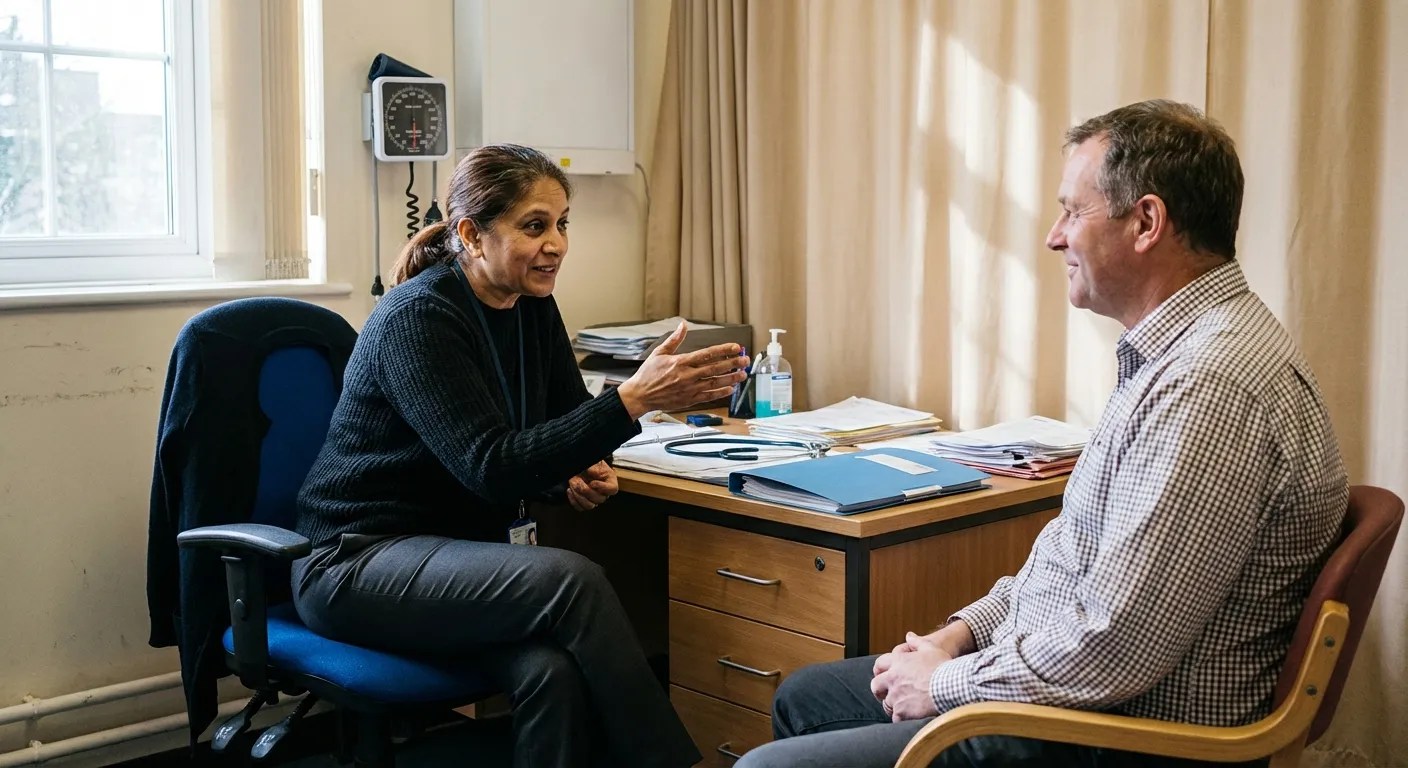
In the UK, general practice is usually your first and main point of contact with the National Health Service (NHS). GP surgeries deal with around 90% of all patient contacts and act as the central hub for your medical care-from your first childhood vaccines to support in later life.
When you register with a GP, you join a local NHS practice that coordinates most of your day-to-day health needs. The registration process is designed to be straightforward and inclusive. You can usually register even if you are homeless, staying with friends, or do not have proof of address or immigration documents. The practice will then arrange your NHS number if you do not already have one, and you will normally be added to the list within a few days.
The guidance explains what GP practices can and cannot provide. NHS GP appointments are free at the point of use, but there are standard charges for prescriptions in England and separate arrangements in Scotland, Wales and Northern Ireland. Some services-such as certain medical reports, private letters or occupational health checks-sit outside the NHS and the GP may charge a private fee for this work.
You will also find clear information on how GPs link you to other parts of the NHS, including hospital specialists, community services and urgent or emergency care. The article explains how referrals work, what to do in an emergency, and how your care is monitored through national regulation and quality checks so you know what to expect from your local practice.
If you are registering with a GP in the UK for the first time, this guide to GP services and UK healthcare walks you through each step and helps you understand your rights, your choices and how to get the care you need.
Documents needed for GP registration on the NHS

When you register with a GP, the surgery might ask for proof of identity and proof of address. These help them confirm who you are and which area you live in, but under NHS guidance they are not always essential.
Typical documents you may be asked for include:
- Photo ID – passport, biometric residence permit, driving licence
- Proof of address – recent utility bill, council tax bill, bank statement, tenancy agreement
- Immigration documents – visa or Home Office letters (if you have them)
What if you do not have these documents?
You still have the right to register with a GP. Tell the surgery about your situation and ask what alternatives they can accept, such as:
- Using a letter from a school, charity, hostel or day centre as proof of address
- Registering with temporary details if you are sofa-surfing or homeless
- Using a trusted friend’s or relative’s address for letters from the surgery
If the surgery refuses to register you, you can calmly remind them that, under NHS England guidance, ID and proof of address are helpful but not a strict legal requirement for GP registration.
Who can register with an NHS GP?

NHS GP access rules are more flexible than many people think. Registering with a GP is mainly about where you live now, not your passport or immigration status. You do not need to be a UK citizen, own a home, be registered at a fixed address or already have an NHS number to join a practice.
- People living in the UK long term – if you live and work here, or you are here on a long‑term visa with your family, you can usually register like any other resident.
- Students – UK and international students should register near their term‑time address so they can see a GP quickly if they become unwell.
- Visitors and short stays – if you are only in the UK for a short period, a surgery can register you as a temporary patient so you can get urgent or necessary care.
- People without stable housing or documents – you still have the right to register. Practices should not refuse you because you do not have proof of address, photo ID or immigration documents.
If a surgery seems unsure, you can calmly explain that NHS England guidance says GP registration should be based on your clinical need and where you are living now-not your immigration status or ID.
GP registration problems and waiting times and how to deal with them
Struggling with GP registration problems and waiting times? You are not on your own. In many parts of the UK-especially busy cities-getting registered with a GP and seen for the first time can take longer than you might expect.
Common issues include:
- Surgeries saying their list is “closed” or full
- Long waits for your registration to be processed
- Delays getting a first routine appointment
Here are some practical ways to deal with them:
- Try more than one surgery in your local area. Practices can only refuse you if they are not accepting new patients or you live outside their catchment area. If they are full, ask if they run a waiting list and how long it usually takes.
- Explain if your situation is urgent-for example, if you are pregnant, caring for a baby or child, or living with a long‑term condition. Surgeries often prioritise these registrations where they can.
- Ask for same‑day help while your registration is being processed. Many practices offer telephone triage, a duty doctor or same‑day “on the day” appointments for people who are unwell.
- Use NHS 111 or local urgent treatment centres for non‑emergency care if you cannot get a quick GP appointment. In England, you can also visit NHS Find a GP to check other practices near you.
What to do after registering with a GP and how to get the most from your NHS care
Once you have registered with a GP and your details are on the system, a few simple steps can help you get the best from NHS care.
- Set up online access – most surgeries in the UK offer an app or online service where you can order repeat prescriptions, check test results and send non-urgent messages. Ask reception how to set this up.
- Book a new patient check – many practices offer a basic health check with a nurse or healthcare assistant, especially if you take regular medicines or have a long-term condition.
- Share key information – let the surgery know about any long-term health conditions, medicines you brought from your home country and any allergies or past reactions to treatment.
- Use the right service – your GP handles ongoing or non-emergency problems. For urgent advice when the surgery is closed, use NHS 111. For injuries or problems that need to be seen quickly but are not life-threatening, you can use an urgent treatment centre or walk-in centre. Call 999 for emergencies only.
- Learn how the NHS works – this quick guide to the NHS explains what is free, what is not and who can use which services in the UK.
How to register with a GP surgery in England
In England, you can register with or change your GP surgery for free. You can usually do this online through the NHS website, or by contacting the surgery directly. You do not need ID, proof of address or proof of immigration status to register.
The NHS explains how permanent, out-of-area and temporary registrations work, and what basic information you will need to give. It also covers how to register children or people you care for, and what happens if a surgery refuses your registration.
If you choose a GP surgery outside your local area, the NHS sets out how this might affect access to certain services-like home visits-and what support is available if you have problems registering.


Popular articles





Invite friends to TransferGo, earn £20