

UK driving rules for foreigners and how to drive safely


Send from


Exchange Rate
– – –
GBP 1 = NGN 2030.28232
Transfer Fee
Free – – – 0.99 0.99 USD
Receiver gets


Powered by Moka United
Delivered in minutes
Driving in the UK can feel daunting if you’re used to different road layouts and laws. This section gives you a clear starting point on driving in the UK, how to drive in the United Kingdom, UK driving rules for foreigners, and UK road rules. It’s especially useful if you’re wondering about UK driving rules for foreign licence holders and what’s different from home.
What foreign drivers need to know before setting off
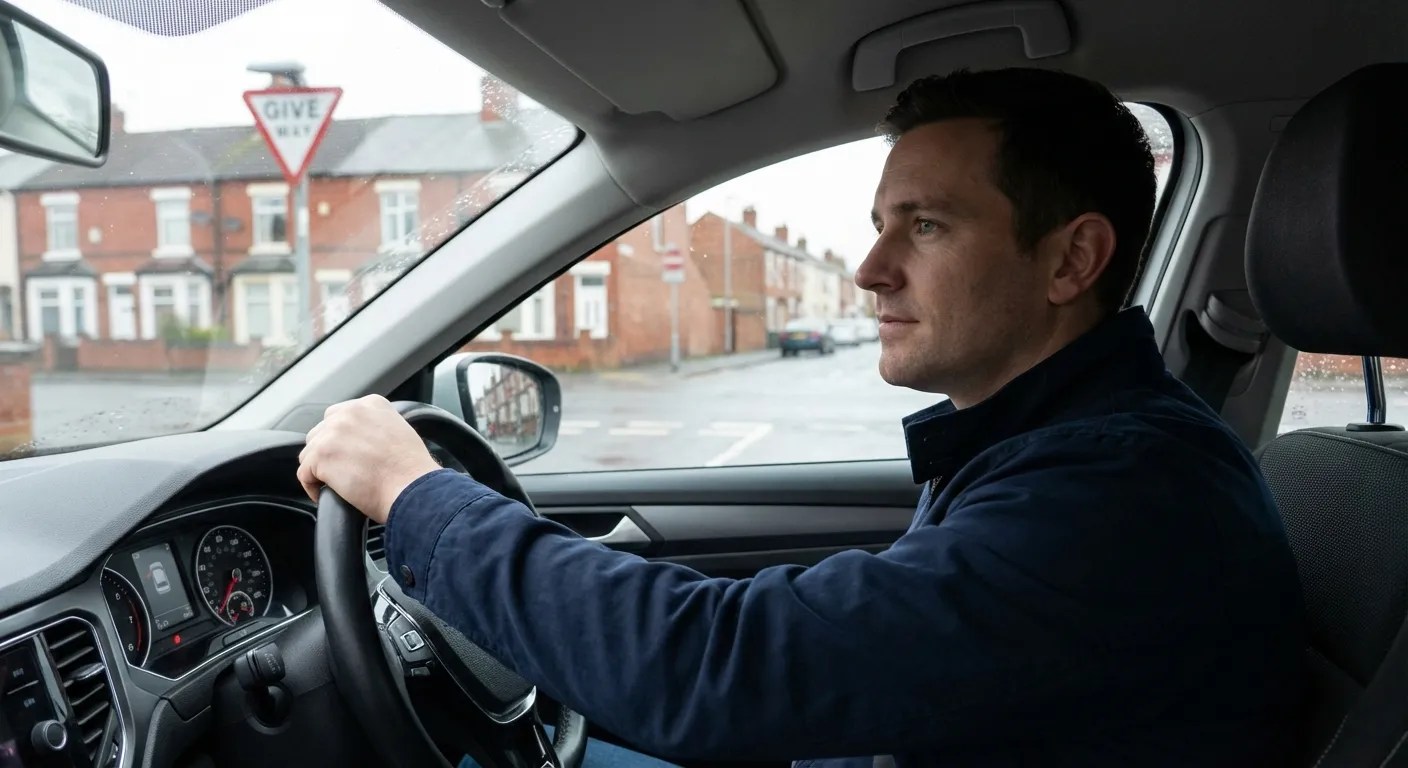
As a visitor, you’re expected to follow the same rules as local drivers from the moment you leave the airport car park. That means:
- Driving on the left and giving way to the right on roundabouts.
- Having a valid licence that the UK recognises, and an international driving permit for UK visitors if your licence isn’t in English or from certain countries (we’ll cover this in more detail later).
- Using proper car insurance that allows you to drive legally on UK roads.
How to drive in the UK as a tourist, safely and legally
If you’re working out how to drive in the UK as a tourist, focus on 3 basics: licence, insurance and local rules. Check that your licence is valid well before you travel, confirm that your policy covers you to drive in the UK, and spend a few minutes learning common road signs and local speed limits. This helps you avoid penalties for traffic offences in the United Kingdom so you can enjoy your trip, not worry about roadside surprises.
Key UK driving rules and requirements for international visitors
- Key UK driving rules and requirements for international visitors
- Short-term visitors: how long your foreign licence is valid
- When you need an International Driving Permit or UK licence
- Minimum insurance you need as a visitor
- Documents to keep in the car
- Key everyday rules you must follow
- Common mistakes foreign drivers make
- Common penalties tourists face
- How to avoid penalties as a visitor
- Plan your route and first journeys
- Stay calm on UK roads

If you are planning to rent a car and drive in the United Kingdom, it helps to know the basics before you collect the keys. The full guide walks you through each step in more detail, but here is an overview of the rules and expectations you should be aware of.
- Driving licence and International Driving Permit (IDP) – You need a valid driving licence from your home country and, in some cases, an International Driving Permit. The rules depend on where your licence was issued and how long you are staying, so it is important to check this before you travel.
- Age limits and rental conditions – Car rental companies in the UK usually set their own age limits and may charge extra for younger drivers. Make sure you understand the minimum age, how long you must have held your licence, and any young driver fees.
- Insurance cover – You are expected to have proper insurance in place when you drive in the UK. The guide explains what is normally included as standard, what counts as optional cover, and what you are responsible for if there is an accident or damage.
- Driving on the left and UK road types – Traffic in the UK drives on the left-hand side of the road, with right-hand drive cars and manual gearboxes very common. The article outlines how to adapt to this, along with the main types of roads you are likely to use, from city streets to motorways.
- Roundabouts and local driving culture – Roundabouts are used widely across the UK. The guide highlights how to approach, indicate and exit safely, as well as what to expect from local driving habits, speed limits and typical traffic conditions.
- Safety and emergency procedures – You will find practical tips on what to do if you break down or are involved in a collision, including who to call, what information to collect and how your rental company is likely to help.
- Adjusting to UK rules as a visitor – From understanding road signs to planning your first few journeys, the article focuses on helping you feel confident and stay within the law. It emphasises that understanding the legal requirements is essential if you want to drive in the UK safely and legally as an international visitor.
Most visitors can drive in the UK on their existing licence-but only for a limited time and only if it meets certain rules. Here’s how long your foreign licence is valid, when you might need an International Driving Permit (IDP) and what changes if you decide to stay longer.
Short-term visitors: how long your foreign licence is valid

If you’re visiting Great Britain for up to 12 months and your licence is valid and in English, you can usually drive most cars without any extra paperwork. This normally applies if your licence is from:
- the European Union (EU) or European Economic Area (EEA)
- a “designated country” such as Australia, Canada, New Zealand or Japan
- many other countries, as long as your licence is full (not provisional) and still in date
If your licence is not in English-for example it’s in Arabic, Chinese or Cyrillic script-police and car hire companies in the UK will often expect to see an International Driving Permit as well as your original licence.
When you need an International Driving Permit or UK licence
You’re likely to need an IDP if:
- your licence is not written in English
- your country’s licences are not directly recognised in the UK
- your car hire company asks for an IDP in their terms and conditions
If you move to Great Britain and become a resident, the rules change. You can normally drive on your foreign licence for only 12 months after becoming resident. After that, you’ll need to exchange your licence if you’re eligible or get a UK driving licence to keep driving legally.
Car insurance matters just as much as your licence when you’re driving in the UK. To follow UK driving rules for foreign licence holders-and avoid penalties for traffic offences-you need the right cover in place before you set off.
Minimum insurance you need as a visitor
At the very least, you need third-party motor insurance. This covers damage or injury you cause to other people, their passengers or their property-never your own car.
- Hiring a car: UK car hire usually includes the legal minimum, but excesses can be high. Check what’s included and think about extra cover if paying a large excess would put pressure on your budget.
- Bringing your own car: If you’re from the EU, EEA or certain neighbouring countries, your existing policy may already give you third‑party cover in the UK-check your certificate and policy booklet carefully before you travel.
- From outside Europe: You’ll usually need a green card or a separate UK policy. Ask your insurer directly about their car insurance requirements for driving in the UK, and get written confirmation of what’s covered.
Documents to keep in the car
Keep these with you whenever you drive in the UK:
- Proof of insurance (paper or digital, as your insurer allows)
- Your driving licence (and an International Driving Permit, if the UK rules say you need one)
- Vehicle registration documents, if it’s your own car
If the police stop you and you can’t show proof of insurance, you could face a fixed penalty, points on your licence or even have the vehicle seized. It’s worth double‑checking your cover and documents before you learn how to drive in the UK as a tourist and start exploring.
Even when you know the basics of driving in the UK, driving in the United Kingdom, how to drive in the UK, UK driving rules, UK driving rules for foreigners, UK road rules, it’s usually the small, everyday habits that cause problems. These are the rules and mistakes that catch visitors out most often-especially if you’re driving in the UK as a tourist or following UK driving rules for foreign licence holders.
Key everyday rules you must follow
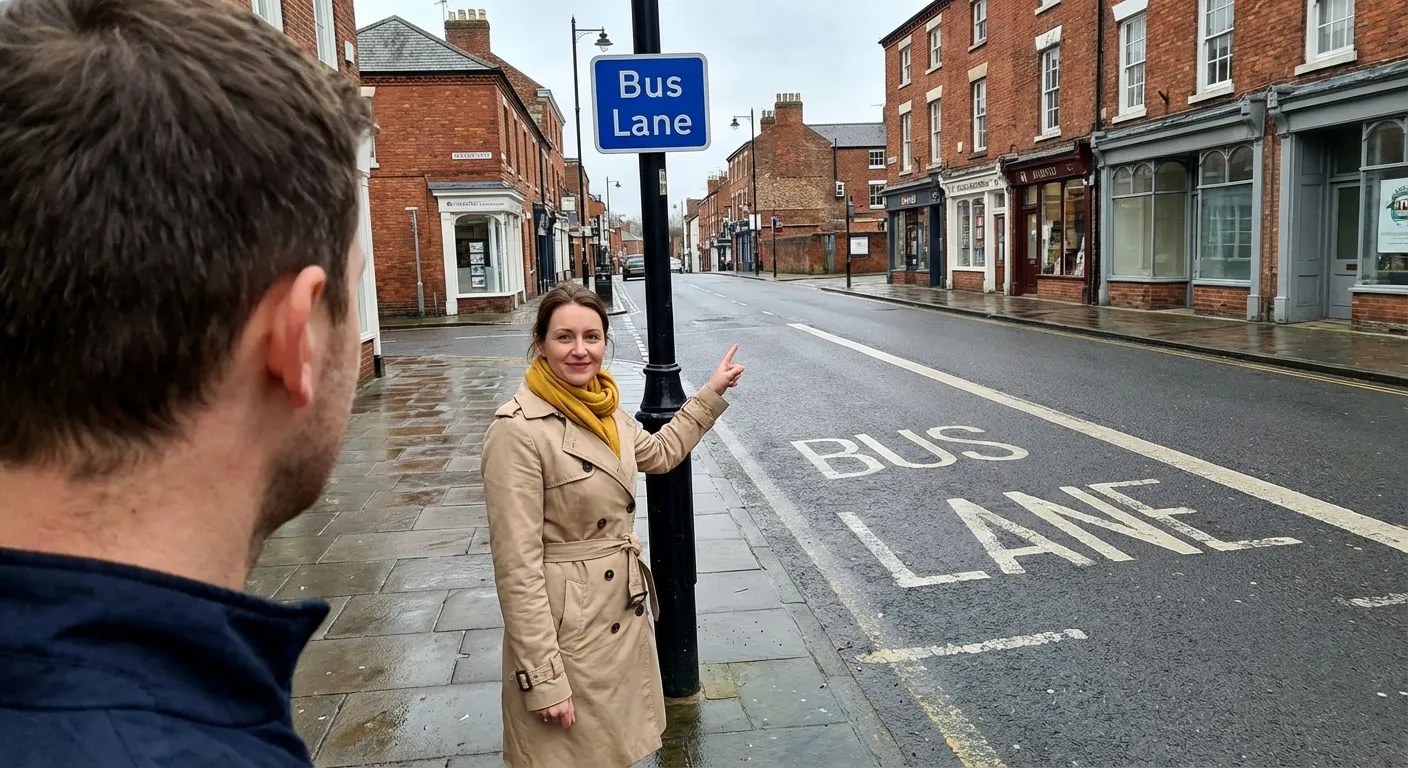
- Keep left, overtake right – Always drive on the left and overtake on the right, including on dual carriageways and motorways. Don’t stay in the right‑hand lane longer than you need to.
- Roundabouts – Give way to traffic coming from your right and signal clearly when you exit. Don’t stop on the roundabout unless the traffic ahead has stopped.
- Speed limits – Check the small circular signs. In most built‑up areas it’s 30 mph, on single carriageway roads it’s 60 mph and on dual carriageways and motorways it’s 70 mph, unless signs say otherwise.
- Bus lanes and cycle lanes – Only drive in them if the signs say you can. In many UK cities, cameras monitor these lanes and fines are common.
Common mistakes foreign drivers make
- Lane discipline on motorways – Sitting in the middle or right lane when the left lane is clear can lead to fines and frustrate other drivers. Use the left lane for normal driving and the others just for overtaking.
- Ignoring box junctions – If you see a yellow criss‑cross box painted on the road, don’t enter unless your exit is completely clear. In London and other big cities, cameras often monitor these and fines are high.
- Using a phone while driving – Holding a mobile, even briefly, is illegal. If you need to use your phone, use a proper hands‑free mount or pull over somewhere safe and legal.
- Forgetting seatbelts – Everyone must wear a seatbelt, in the front and the back, on every journey-no matter how short.
Penalties for traffic offences in the United Kingdom can be strict, especially if you’re visiting. Understanding how they work is just as important as knowing the basics of driving in the UK and following local road rules.
Common penalties tourists face

Most driving offences lead to a fine, penalty points on your licence or both. If you’re not a UK resident, those points go on a “virtual” UK driving record linked to your name and address.
- Speeding: Often picked up by roadside or average speed cameras. You can expect a fine and, for serious cases, a court summons and a higher penalty.
- Bus lanes and yellow box junctions: Local councils regularly issue Penalty Charge Notices (PCNs) if you drive in bus lanes at restricted times or stop in yellow box junctions.
- Mobile phone use: Holding or using a hand‑held phone while driving usually means a heavy fine and penalty points.
- Drink- or drug-driving: This is a criminal offence. You risk arrest, a driving ban, a criminal record and, in serious cases, prison.
- No insurance: Driving without valid insurance can lead to your car being seized on the spot, as well as a large fine and points.
How to avoid penalties as a visitor
- Stick to posted speed limits and keep an eye out for average speed camera zones, especially on motorways and in roadworks.
- Never use a hand‑held phone while moving-use a proper hands‑free set-up or pull over somewhere safe and legal.
- Read roadside signs carefully, particularly for bus lanes, congestion charging, clean air zones and local restrictions in cities like London, Birmingham or Manchester.
- Avoid alcohol or drugs if you’re driving-the legal limits are low and the police carry out regular roadside checks.
- Check your insurance covers you for driving in the UK before you set off, including any requirements for hire cars or driving someone else’s vehicle.
If you receive a notice or fine, deal with it promptly. Ignoring penalties for traffic offences in the United Kingdom can increase the amount you pay and may affect your ability to drive in the UK as a tourist in future.
Even when you know the basics of driving in the UK, driving in the United Kingdom, how to drive in the UK, UK driving rules, UK driving rules for foreigners, UK road rules, those first few journeys can still feel stressful. These practical tips will help you feel safer and more confident driving in the UK as a tourist-especially if you’re fresh off a flight at Heathrow, Gatwick, Manchester or Edinburgh.
Plan your route and first journeys

- Ease in gently: avoid central London, Birmingham, Manchester or Glasgow for your first drive. If you can, start with quieter suburban routes or smaller towns.
- Use a sat nav: set your navigation to a clear English voice and check tricky junctions-like large roundabouts or motorway exits-before you set off.
- Check parking in advance: many UK towns use pay-and-display machines or app-based parking such as RingGo or PayByPhone. Factor this in so you’re not scrambling for coins or signal when you arrive.
Stay calm on UK roads
- Give yourself time: traffic, roadworks and rain are common. Add extra minutes to every journey so you don’t feel pressured to rush.
- Practise the “left” habit: quietly repeat “keep left” after every junction, roundabout or stop-especially when roads are quiet and your instincts might take over.
- Use lay-bys and services: if you feel tired or unsure, pull into a lay-by or motorway service area, take a short break and check your route again.
- Learn from local drivers, but don’t copy risky moves: some drivers roll through amber lights or change lanes late. You should stick to what you’ve already learnt about UK driving rules for foreign licence holders and drive at a speed that feels safe for you.
With a bit of planning, patience and practice, driving in the UK starts to feel natural-so you can focus on enjoying your trip, not just surviving the roads.


Popular articles





Invite friends to TransferGo, earn £20