

How to apply for IHS what is IHS in UK guide


Send from


Exchange Rate
– – –
GBP 1 = NGN 2030.28232
Transfer Fee
Free – – – 0.99 0.99 USD
Receiver gets


Powered by Moka United
Delivered in minutes
What is IHS in the UK?
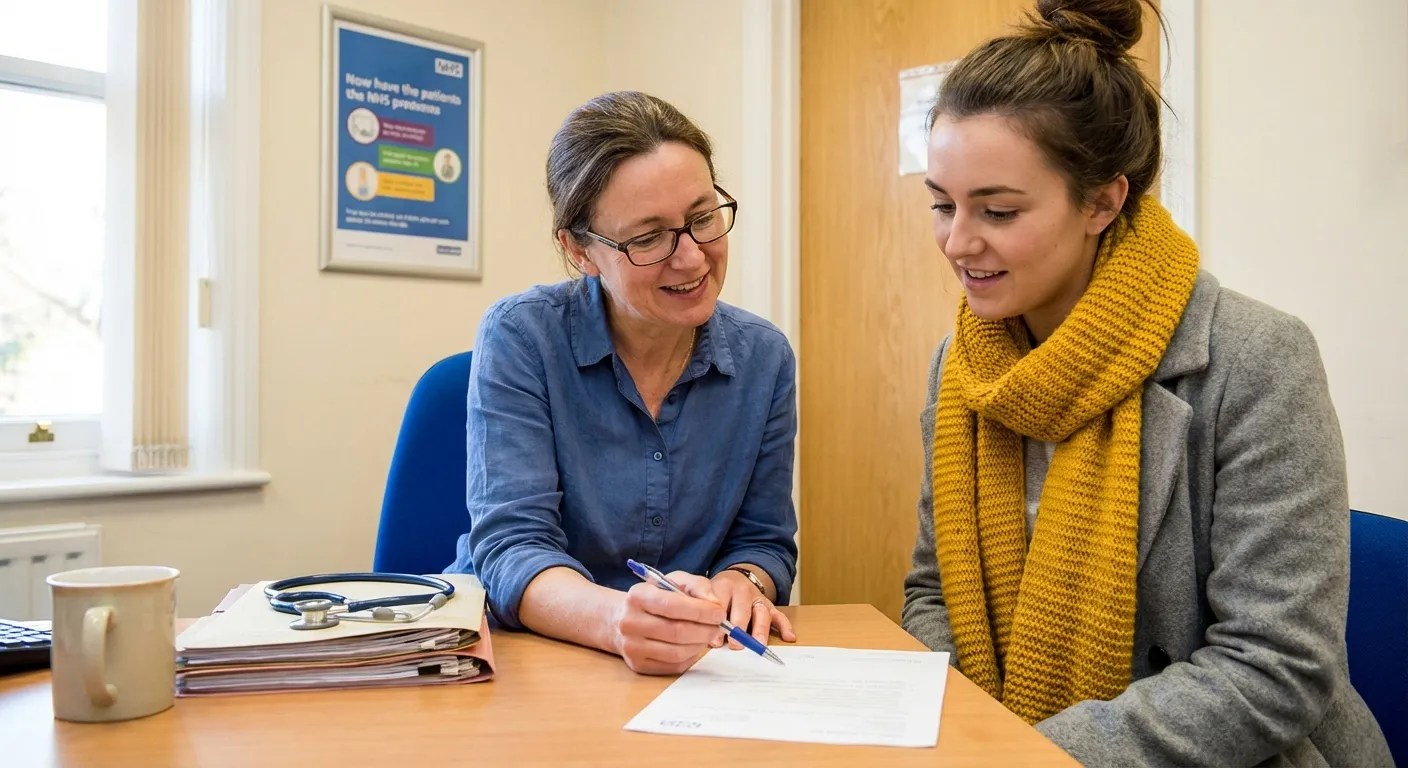
The immigration health surcharge (IHS) is a mandatory fee that most non-British and non-Irish nationals have to pay when they apply for a UK visa that lasts more than 6 months. If you are searching for things like “how to apply for IHS UK”, “what is IHS in UK” or “IHS full form in UK”, it helps to start with this simple point-your IHS is paid online as part of your visa application, before you submit it and before you book your biometrics appointment.
Table of contents
- Immigration health surcharge reimbursements for UK health and care workers
- Understanding the UK immigration health surcharge (IHS) for beginners
- IHS full form UK meaning
- Who has to pay the IHS in the UK and who is exempt
- IHS fees by UK visa type and how the costs are calculated
- How to apply for IHS in UK and pay the charge correctly
- IHS refund UK process and when you can get your money back
- Common IHS payment errors in the UK and how to avoid them
IHS full form UK meaning
The IHS full form in the UK is immigration health surcharge. When you pay it, you usually get access to the National Health Service (NHS) in the UK on broadly the same basis as someone who is normally resident here.
IHS is not a visa fee and it is not private medical insurance. It is a separate health charge set by the Home Office and HM Treasury, and you pay it upfront for the full length of your visa. Understanding this is often the first step to getting IHS in the UK explained clearly, before you look at how much IHS costs for different UK visa types and routes.
Who has to pay the IHS in the UK and who is exempt

If you’re trying to understand things like how to apply for IHS in the UK, what IHS means, or the IHS full form (immigration health surcharge), it helps to know first whether you actually need to pay it.
Here’s who normally pays the IHS in the UK, and who is usually exempt.
You usually have to pay the IHS if:
- you’re applying for a UK visa for more than 6 months from outside the UK
- you’re switching or extending your visa inside the UK
- your visa route lets you work, study or join family in the UK (for example, Skilled Worker, Student or Family visas)
- you’re a dependant (partner or child) on someone else’s qualifying visa
You’re normally exempt from paying the IHS if:
- you’re applying for a Standard Visitor visa (usually up to 6 months)
- you’re an EU, EEA or Swiss national with certain frontier worker or S2 healthcare rights
- you’re on a very short route that has different health cover rules (for example, some seasonal work schemes)
- you’re a diplomat, or a member of a visiting armed forces or official government delegation
Later on, we’ll look at how this connects to different IHS fees, UK visa types and when you might be able to get a refund.
Immigration health surcharge reimbursements for UK health and care workers

If you work in health or social care in the UK, you might be able to get some-or all-of your immigration health surcharge (IHS) back. The UK government offers IHS reimbursements to certain health and care workers and their dependants, and the process is handled by the NHS Business Services Authority (NHSBSA).
According to the official government guidance, immigration health surcharge guidance for reimbursement 2020, anyone who:
- holds a relevant health and care visa
- has paid the IHS
- has worked in eligible health or social care roles for at least 6 continuous months, starting on or after 31 March 2020
may be able to claim an IHS reimbursement.
The government guidance focuses on the practical details that matter when you are making a claim. It explains:
- Who is eligible – which health and social care roles count, and how visa and dependant rules work
- What evidence you need – for example, proof of your IHS payments and proof of continuous qualifying work
- How to apply via NHSBSA – where to submit your claim online and what to expect after you apply
- What happens next – how your claim is reviewed, how long it can take, and how reimbursements are paid
This is not a general overview of the immigration health surcharge or UK visa costs. It is focused on the rules, documents and step-by-step process you need to follow if you are a health or care worker-or a dependant-looking to claim an IHS reimbursement in the UK.
IHS fees by UK visa type and how the costs are calculated

If you’re searching for things like how to apply for IHS UK, what is IHS in the UK, or IHS full form in UK, it helps to see how the fees actually work in real life. Here’s the UK immigration health surcharge (IHS) explained in simple terms.
Typical IHS fees by visa type
- Student and Youth Mobility Scheme visas: usually charged at the lower “discounted” IHS rate for each year of your visa.
- Skilled Worker, family and most other work visas: charged at the higher standard IHS rate per year.
- Short-term visas (6 months or less): usually no IHS to pay, though some routes have a reduced flat amount.
How the Home Office works out your IHS
- The Home Office counts every 6‑month block of your visa-and rounds up. So a 2‑year 3‑month visa is charged as 2.5 years.
- You pay the full IHS amount for your whole visa upfront when you submit your online application.
- If your visa is refused or shortened, the IHS refund UK process may return some or all of what you paid. We cover how this works later on.
Understanding the UK immigration health surcharge (IHS) for beginners

The immigration health surcharge (IHS) is a fee most people pay when they apply for a UK visa that lasts more than 6 months. Once you have paid it and your visa is granted, you can use the National Health Service (NHS) in the same way as a UK resident for the whole length of your visa.
This means you can access NHS treatment that is free at the point of use, such as GP appointments, A&E and most hospital care. You still have to pay for some services that most people in the UK pay for, including prescriptions in England, dental treatment and eye tests.
The IHS is usually paid online as part of your visa application. The amount depends on the type of visa you apply for and how long it lasts. You pay the full amount upfront, based on the total number of years (or part‑years) your visa covers.
- Who pays: Most people applying from outside or inside the UK for a visa of more than 6 months, and some who apply for entry clearance to come to the UK for less than 6 months.
- How much it costs: The fee is set by the UK government and varies by visa type and duration. You pay per year of your visa, including partial years.
- How to pay: You pay through the online IHS service while you complete your visa application. You receive an IHS reference number when payment is successful.
- Refunds: In some cases you can get a full or partial refund-for example, if your visa is refused, you withdraw your application, or you pay the surcharge twice by mistake.
- If you do not pay: If you are required to pay the IHS and you do not, your visa application can be treated as invalid or refused.
An in‑depth explanation of who needs to pay, current rates, refund rules and step‑by‑step payment guidance is available in this educational guide from a UK immigration law specialist: immigration health surcharge (IHS): an in‑depth guide. It focuses on clear, practical information to help you understand how the IHS works in the UK, rather than on selling any particular visa.
How to apply for IHS in UK and pay the charge correctly

When you’re searching things like how to apply for IHS UK, what is IHS in UK or IHS full form in UK, you’ve probably already started your visa application. Here’s how to deal with the IHS part smoothly.
- Start your online visa application – the IHS section appears automatically before you pay the visa fee.
- Enter your dates carefully – the system works out the IHS from the start and end dates you enter. Make sure they match your Confirmation of Acceptance for Studies (CAS), job offer or work contract.
- Add your dependants – your partner and children usually each pay their own IHS, so double-check everyone’s details before you move on.
- Pay the IHS first – you’ll be taken to a separate payment page. Use a debit or credit card that’s authorised for international and online payments, and make sure you have enough funds to cover the full amount.
- Save your IHS reference number – keep a copy of the payment receipt and reference. You’ll need it if you later use the IHS refund UK process or if UK visa staff ask you to sort out any IHS payment problems.
IHS refund UK process and when you can get your money back

If you’ve already searched for things like “how to apply for IHS UK”, “what is IHS in the UK” or “IHS full form in UK”, the next question is usually: can you get an IHS refund-and how does it work?
You can usually get some or all of your IHS back if:
- your visa application is refused or withdrawn
- you paid the wrong amount because the Home Office miscalculated your visa length
- you get less time on your visa than you paid for (for example, your course is shorter than expected)
- you leave the UK and get a new visa for a different country before your UK visa starts
You will not get a refund if you simply change your mind about coming to the UK or if you overpay because of your own mistake. In most cases, refunds are paid automatically to the card you used to pay the IHS.
If your refund looks wrong or doesn’t arrive, log in to your UK Visas and Immigration (UKVI) account or contact your visa application centre and ask them to review your IHS payment.
Common IHS payment errors in the UK and how to avoid them

If you’ve already searched things like “how to apply for IHS UK”, “what is IHS in UK” or “IHS full form in UK”, the next step is to avoid simple payment mistakes that can slow down your visa decision.
Common IHS payment errors UK applicants make
- Entering the wrong visa length: for example, putting 2 years instead of 3, so the IHS fee is too low and your application is put on hold.
- Incorrect personal details: spelling your name differently to your passport, choosing the wrong date of birth or using the wrong passport number.
- Paying with the wrong card: using someone else’s card or a card that the bank blocks for security, so the payment is declined.
- Refreshing or closing the page too soon: breaking the payment session before it finishes, which can leave your IHS payment “in limbo”.
How to avoid problems
- Double-check your visa start and end dates before you calculate your IHS.
- Make sure your name, date of birth and passport number match your passport exactly.
- Use a card in your name that’s authorised for international online payments, and tell your bank you are paying the immigration health surcharge if you are worried it might be blocked.
- Do not refresh or close the page-wait until you see clear confirmation on screen that your IHS payment has gone through and you have a reference number.


Popular articles



Invite friends to TransferGo, earn £20