

From Manila to London: How beabadoobee became a defining voice of British indie pop


Send from


Exchange Rate
– – –
GBP 1 = NGN 2030.28232
Transfer Fee
Free – – – 0.99 0.99 USD
Receiver gets


Powered by Moka United
Delivered in minutes
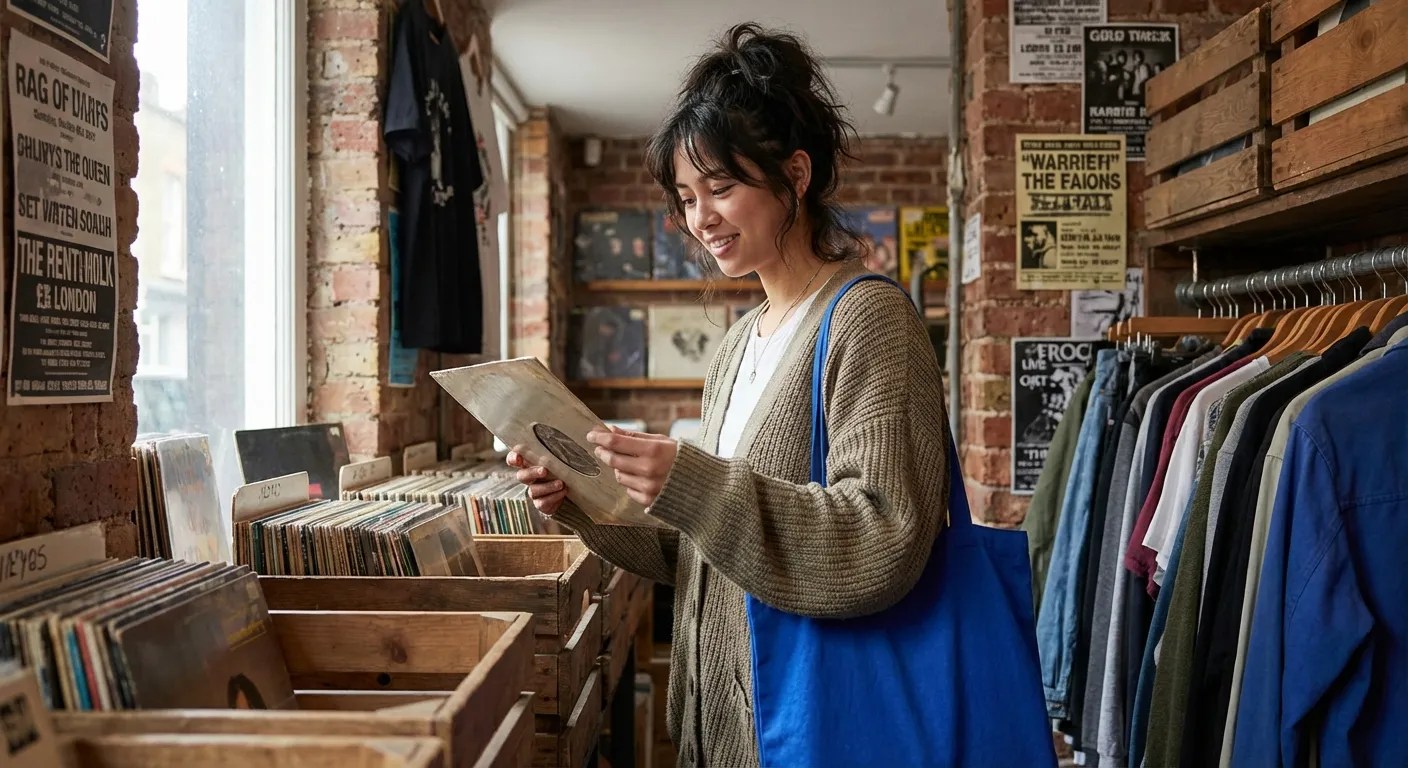
Beabadoobee’s music makes sense once you understand where it comes from.
Born in the Philippines and raised in west London, Beatrice Laus grew up between cultures — Filipino family life at home and the scrappy, second-hand, bus-ride reality of London adolescence outside it. That in-between space didn’t just influence her identity; it became the emotional engine of her songwriting and her place in today’s British indie scene.
Her story isn’t about sudden stardom. It’s about how displacement, DIY creativity, and growing up online quietly produced a voice that feels unmistakably British — and unmistakably her own.
Growing up Filipino British in London
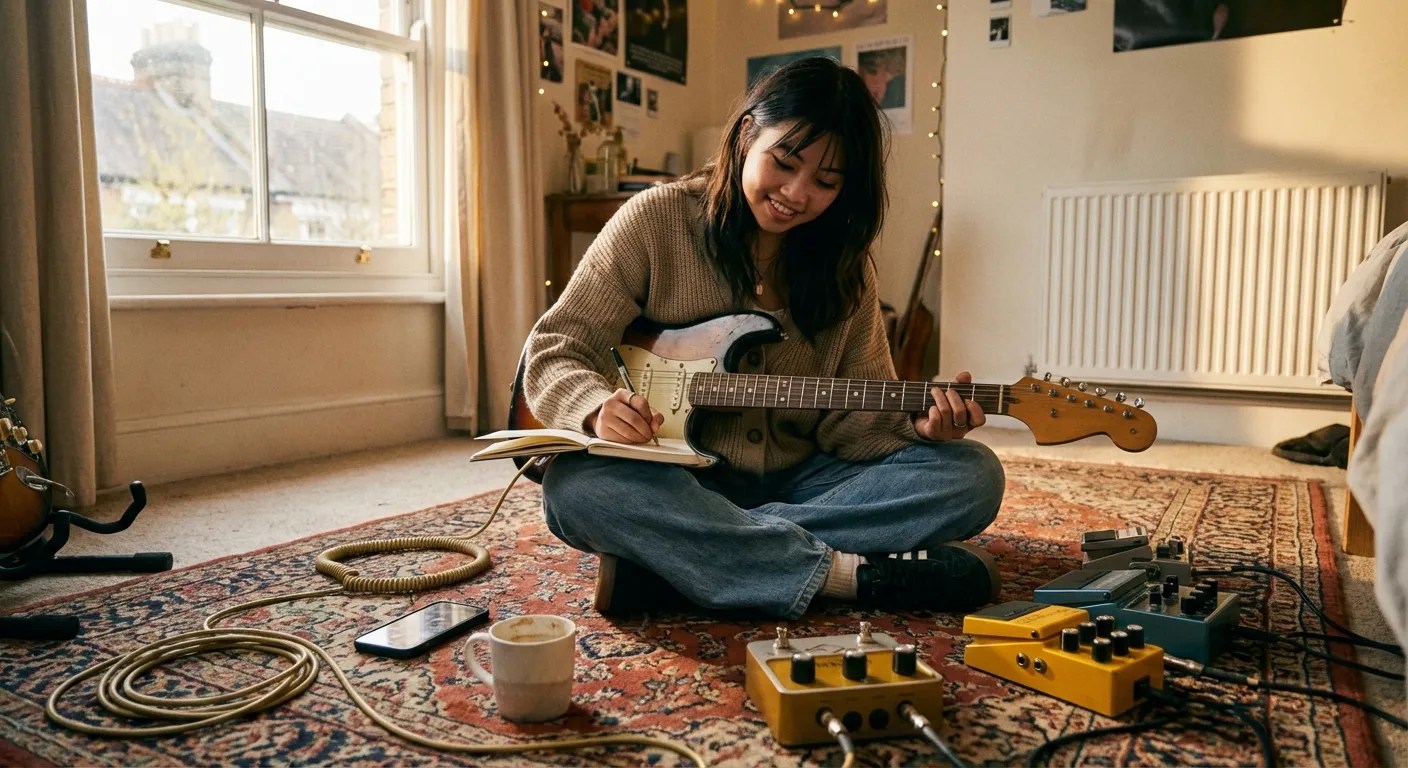
Moving from Manila to the UK as a child meant learning how to belong twice.
At home, Beabadoobee was surrounded by Filipino culture, music, and family routines. Outside, she navigated London schools, charity shops, long commutes, and the everyday awkwardness of being one of the few Asian girls in the room. That contrast shaped how she observed the world — closely, emotionally, and without polish.
Those experiences surface in her lyrics: small moments, unresolved feelings, quiet isolation, and the push-and-pull of identity. Rather than centring spectacle, her songs feel like overheard thoughts — rooted in place, age, and mood.
A DIY bedroom sound that felt instantly relatable

Before festival stages and magazine covers, there was a cheap second-hand guitar and a small bedroom in west London.
Beabadoobee taught herself to play using YouTube videos, recording lo-fi demos straight into a laptop. She left the imperfections in — buzzing strings, uneven vocals, unfinished edges. That roughness wasn’t accidental; it made the songs feel real.
Those early recordings spread organically online, not because they were polished, but because they sounded like something any teenager could make if they were brave enough to share it.
What defined that early era:
- minimal equipment, maximum honesty
- everyday visuals — messy rooms, fairy lights, thrifted clothes
- songs that felt more like diary entries than performances
That DIY approach became central to her appeal, especially for young listeners who saw themselves in the clutter, the uncertainty, and the softness.
Why Beabadoobee resonates with British Gen Z
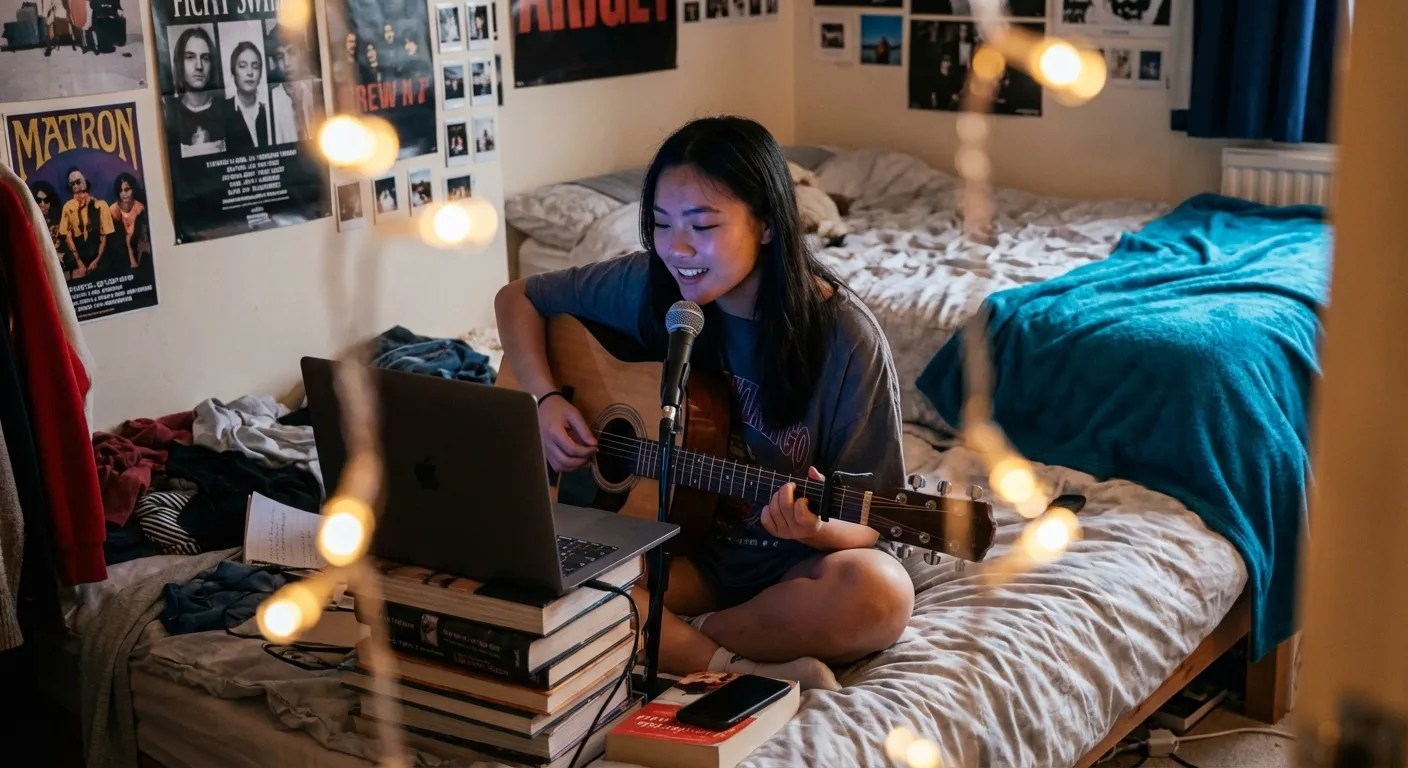
Before festival slots and magazine covers, there was just Bea, a cheap second-hand guitar and a tiny west London bedroom. Those early lo‑fi demos did more for “beabadoobee For Gen Z listeners raised on playlists, algorithms, and late-night scrolling, Beabadoobee doesn’t feel distant.
You might discover her through TikTok, BBC Radio 1, or a friend’s recommendation — but what keeps people listening is how closely her music mirrors real life. She writes about friendship fallouts, emotional drift, anxiety, and growing up in the UK without dramatics or filters.
Her aesthetic — fuzzy guitars, thrift-store fashion, cluttered rooms — taps into a wider British Gen Z sensibility: nostalgic but not retro, vulnerable but not performative.
She makes guitar music feel current again — not as revivalism, but as something lived-in and online.
Reshaping modern British indie pop
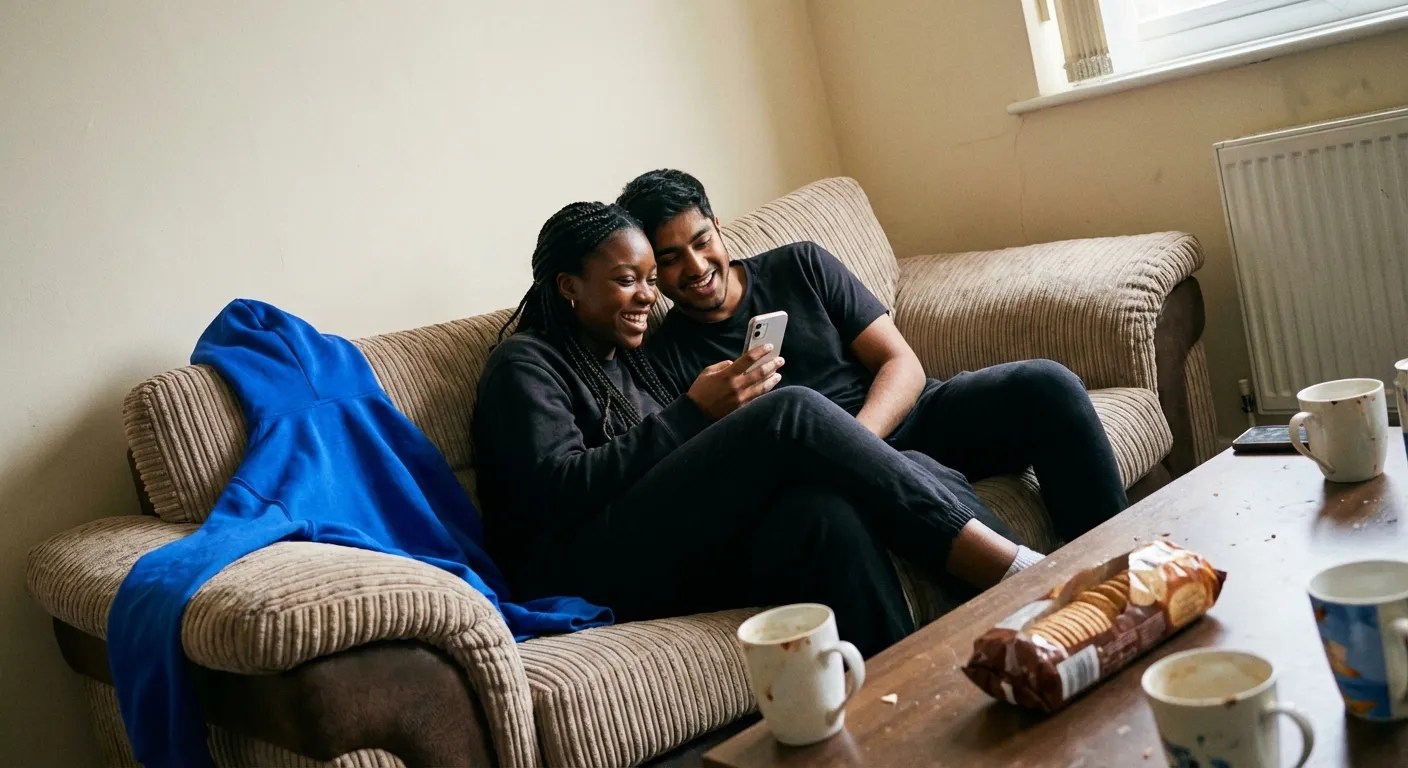
For British gen Z indie fans raised on playlists rather than CDs, beabadoobee feels like one of Beabadoobee sits in a sweet spot where indie rock, bedroom pop, and classic songwriting overlap.
Instead of abandoning guitars for pure pop production, she’s helped make distortion, quiet-loud dynamics, and diary-style lyrics feel relevant again. You can hear that influence across emerging UK acts blending ’90s alt-rock, shoegaze textures, and lo-fi intimacy — particularly in smaller venues and BBC Introducing line-ups.
Her success has shown that British indie doesn’t need to sound detached or ironic to work. There’s space for softness, nostalgia, and emotional directness — without losing edge or credibility.
What her success means for Filipino British artists
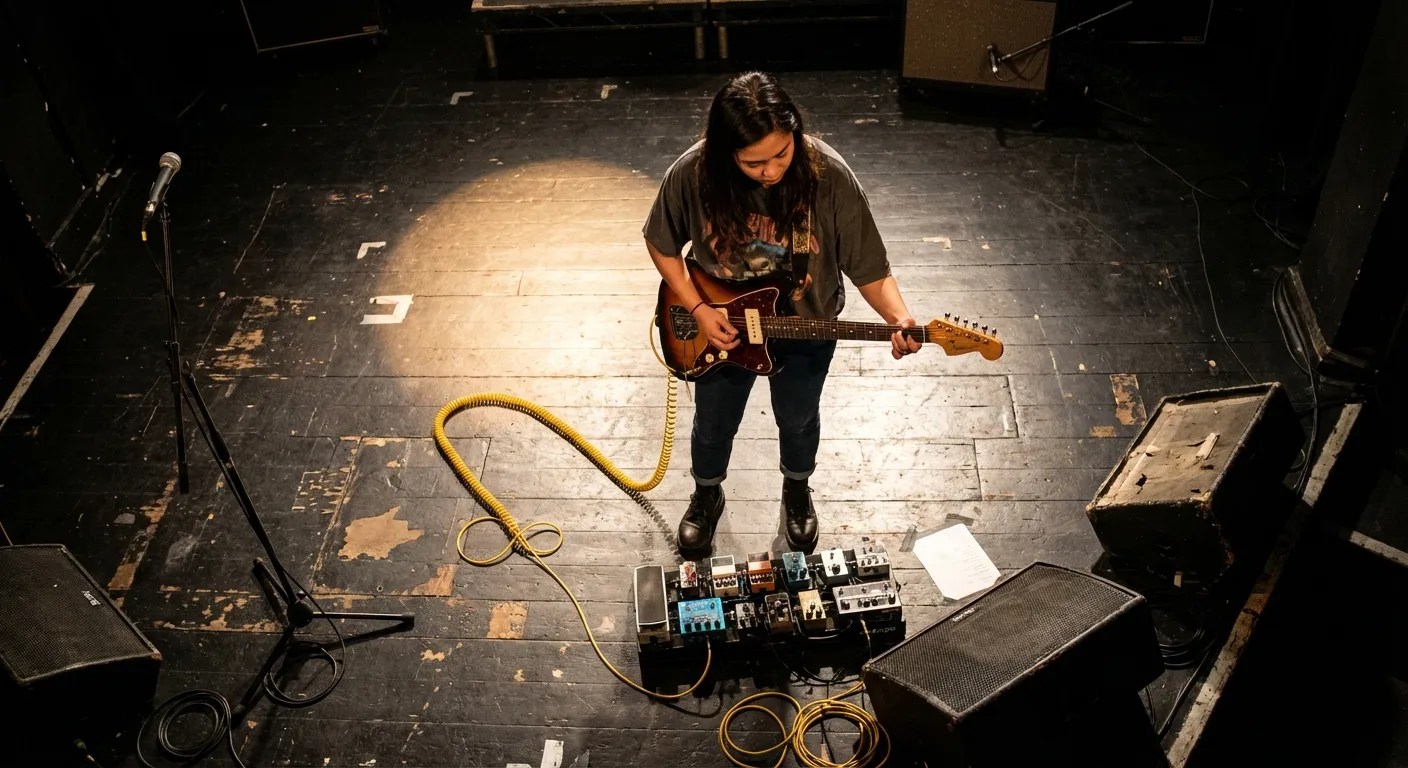
For young Filipino British musicians writing songs in bedrooms across the UK, Beabadoobee’s visibility matters.
She’s proof that:
- immigrant stories belong at the centre of British music
- you don’t have to flatten your identity to fit industry expectations
- guitar-led music doesn’t have to look or sound the same to succeed
Her presence is already shifting industry assumptions — changing who labels, promoters, and tastemakers expect to see on line-ups and playlists.
In the long run, that could mean Filipino surnames on festival posters, Asian frontwomen leading guitar bands, and immigrant perspectives shaping British indie — not as a novelty, but as part of what “British” naturally means now.
A voice shaped by movement, not marketing
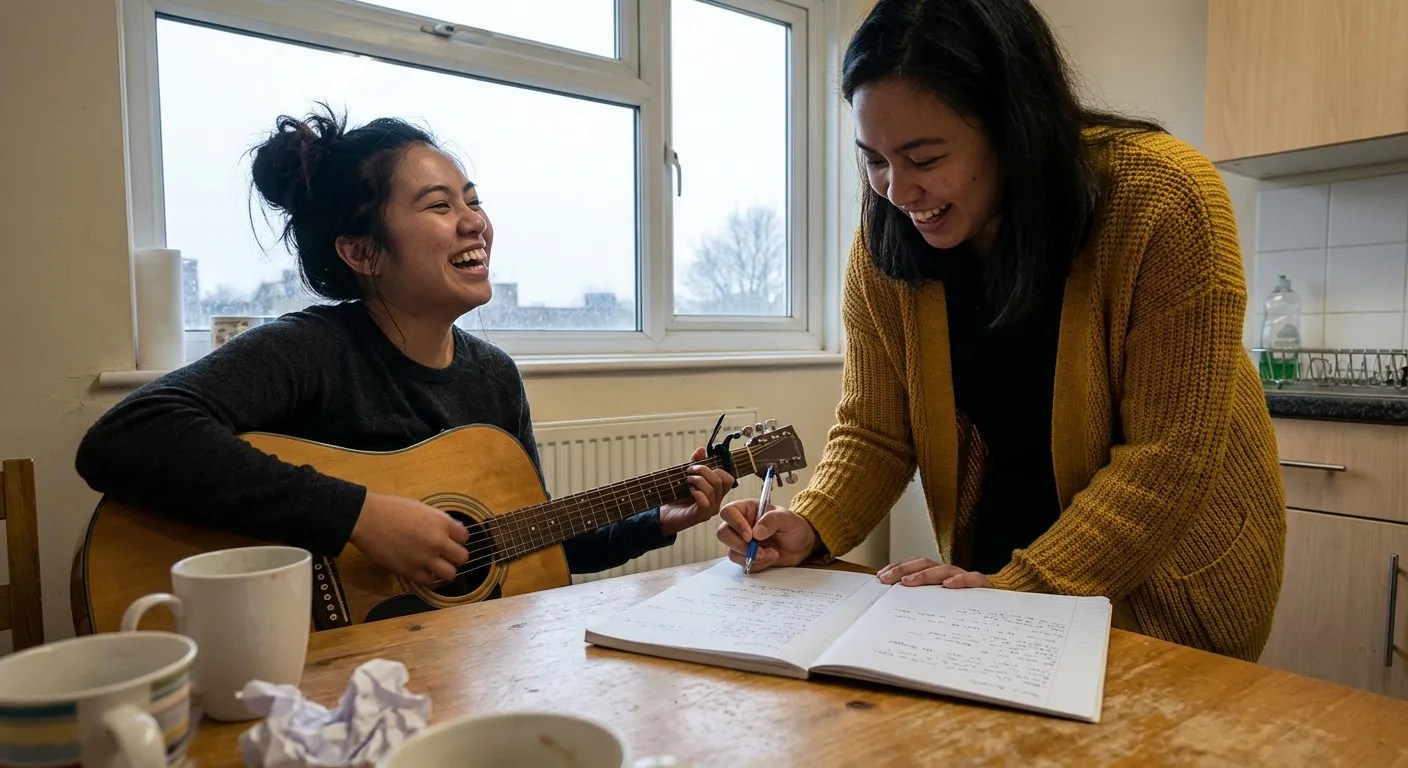
Beabadoobee’s rise wasn’t engineered. It grew from movement — between countries, cultures, online spaces, and physical rooms.
Her music still carries that sense of motion: unsettled, observant, quietly searching. That’s why it connects so strongly. It doesn’t try to explain identity or package it neatly. It simply reflects what it feels like to grow up between worlds — and to make something honest out of that tension.


Popular articles





Invite friends to TransferGo, earn £20