

How studying in the UK shaped Soha Ali Khan and her education journey


Send from


Exchange Rate
– – –
GBP 1 = NGN 2030.28232
Transfer Fee
Free – – – 0.99 0.99 USD
Receiver gets


Powered by Moka United
Delivered in minutes
Studying in the UK is often described as a life-changing experience — but what does that actually mean in practice?
For Soha Ali Khan, choosing to study in Britain wasn’t just an academic milestone. It became a formative chapter that shaped how she thinks, works, and navigates public life. Long before film sets and media interviews, she was a student learning how to argue a point, defend an idea, and live independently in a system that rewards critical thinking over comfort.
Her experience offers a useful lens for anyone considering UK education today — especially international students weighing what they gain beyond a qualification.
British education built on independence, not prestige
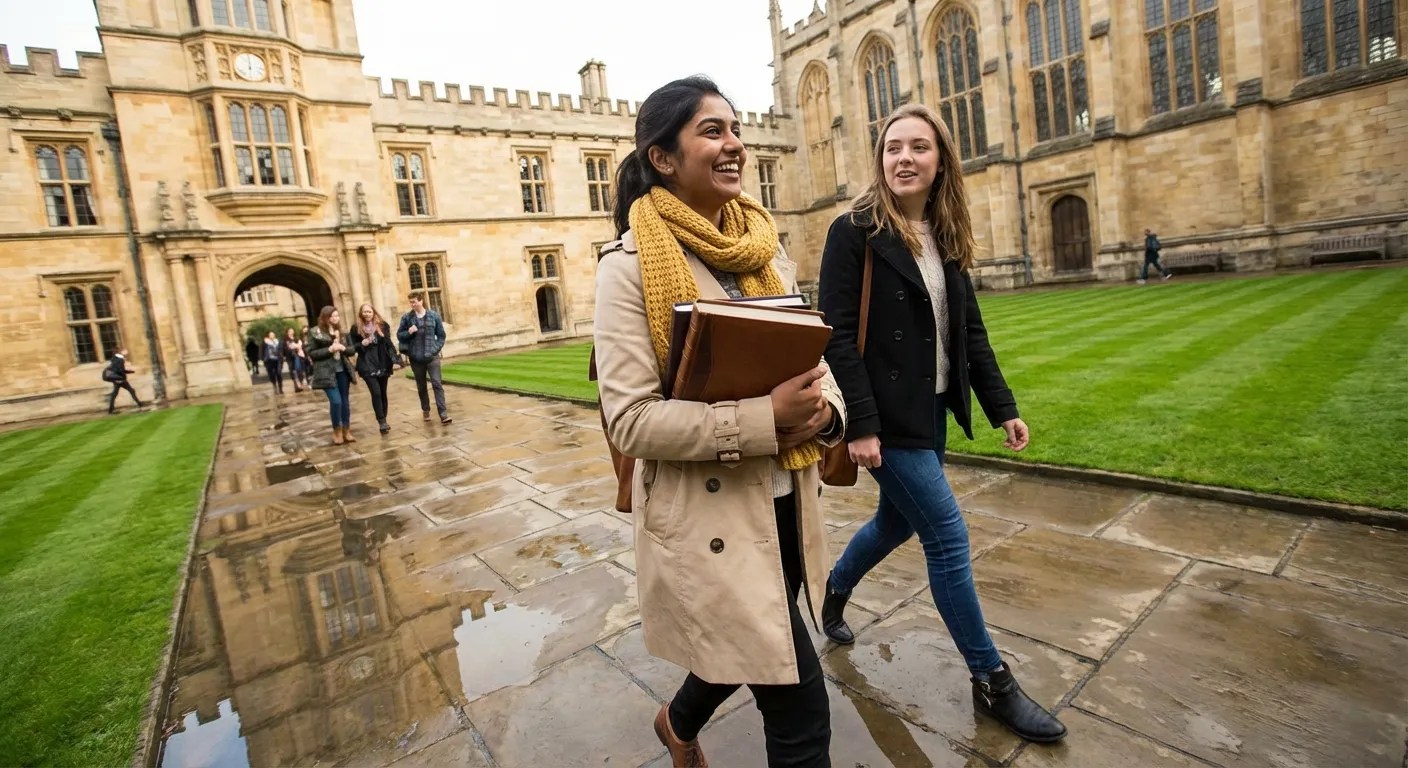
Soha Ali Khan studied Modern History at Balliol College, University of Oxford — a course known less for glamour and more for intellectual pressure.
Oxford’s tutorial system demands:
- weekly essays
- close reading
- one-to-one or small-group debates
- and the confidence to defend your thinking out loud
There’s no hiding behind reputation or background. Every student submits the same work, sits the same exams, and faces the same scrutiny.
For Khan, that environment meant earning her place through discipline rather than surname. Deadlines mattered. Arguments had to hold up. Opinions had to be justified.
This is one of the defining features of UK higher education: students are expected to think independently early — not memorise and repeat.
Learning happens outside the lecture hall too

British universities are as much about everyday life as academic content.
Living in college accommodation, sharing kitchens, queuing for meals, revising in historic libraries — these routines create an immersive environment where learning spills into daily conversations.
For an international student, this matters. It teaches:
- self-reliance
- time management
- navigating unfamiliar systems
- balancing academic pressure with real life
Khan has spoken about how ordinary student life in the UK — from rainy walks across quads to late-night debates with classmates — grounded her experience and expanded her sense of belonging beyond borders.
How studying in the UK reshapes worldview and identity
One of the most lasting impacts of UK education is exposure to competing perspectives.
In seminars and tutorials, historical narratives are questioned rather than accepted. Empire, class, power, and identity are debated openly — often uncomfortably — from multiple viewpoints.
For someone coming from India, and from a well-known family, this meant seeing familiar histories reframed through global and post-colonial lenses. It encouraged reflection rather than defensiveness.
Outside the classroom, everyday interactions with British students and international peers reinforced a powerful lesson: identity doesn’t have to be singular. You can be rooted in your culture while operating confidently in global spaces.
From UK classrooms to real-world career choices

One detail often overlooked: Soha Ali Khan didn’t move straight into film after university.
She worked in finance in London first — a deliberate, grounded step that reflected the analytical training and confidence developed during her studies. British education emphasises transferable skills: writing, reasoning, synthesis, and communication.
These skills travel well.
When she later transitioned into acting, writing, and public commentary, the influence remained visible:
- thoughtful project choices
- reflective interviews
- measured public presence
- comfort discussing social and cultural issues
This isn’t accidental. It’s what happens when education prioritises thinking over performance.
Why UK education continues to attract Indian students
Soha Ali Khan’s experience mirrors why the UK remains a top destination for Indian students today.
Beyond global recognition, British universities offer:
- shorter degree timelines
- strong academic support
- diverse student communities
- pathways into international careers
More importantly, studying in the UK often changes how students approach work, authority, and ambition. It builds confidence without arrogance — and independence without isolation.
How Soha Ali Khan draws on her UK education in film, writing, and philanthropy
The influence of a British education still shows up quietly but consistently in how Soha Ali Khan approaches her work. Rather than being overt or performative, it appears in her habits: how she evaluates a role, structures a piece of writing, or decides which causes to support.
In cinema, she has often leaned towards projects with social or emotional depth rather than surface-level glamour. Her approach to character feels analytical — weighing motivations, context, and consequence in much the same way she once assessed historical arguments and sources during her studies. That instinct to interrogate rather than embellish sets her work apart in an industry that often rewards immediacy over reflection.
Her writing carries the same imprint. Whether in essays or memoir-style reflections, there’s a clear structure, a measured tone, and a willingness to sit with complexity. She avoids sweeping conclusions, opting instead for observation and nuance — a mindset closely aligned with the critical reading and debate culture central to UK higher education.
That academic grounding also shapes her philanthropy. When supporting causes related to education, children, and women’s rights, she is known to prioritise impact and accountability over visibility. The questions she asks — about outcomes, sustainability, and responsibility — echo the tutorial-style scrutiny she experienced as a student: thoughtful, probing, and resistant to easy answers.
Taken together, these choices show that her UK education wasn’t just a formative chapter — it became a framework she still uses to think, decide, and contribute.


Popular articles




Invite friends to TransferGo, earn £20