

Find Your Nigerian Community in the UK


Send from


Exchange Rate
– – –
GBP 1 = NGN 2030.28232
Transfer Fee
Free – – – 0.99 0.99 USD
Receiver gets


Powered by Moka United
Delivered in minutes
When you first move to the UK from Nigeria, the pace, weather and systems can hit you all at once. Many Nigerians in the UK describe the first 3-6 months as a mix of excitement and culture shock. You’re settling into life in a new country, figuring out how things work and looking for the Nigerian community in the UK to feel more at home.
Finding your people is one of the quickest ways to feel at home when you move to the UK from Nigeria. There’s a strong, visible Nigerian community in UK cities-from the busy London Nigerian community to smaller but close-knit groups in places like Coventry, Leeds and Aberdeen. When you connect early, life in the UK for Nigerians feels a lot less lonely and a lot more familiar.
Table of contents
- Your first weeks: paperwork, housing and getting around
- Daily life, culture shock and first contacts
- Where Nigerians are based across the UK
- Practical ways to find your local Nigerian community
- Popular Nigerian churches and what they offer
- Faith-based networks beyond Sunday service
- Turn everyday spaces into connection points
- Mix Nigerian circles with wider UK social life
- Common jobs in UK for Nigerians and first steps
- Professional networking and using the Nigerian community in UK
- Typical monthly costs to expect
- Simple budgeting tips for settling in UK from Nigeria
Your first weeks: paperwork, housing and getting around
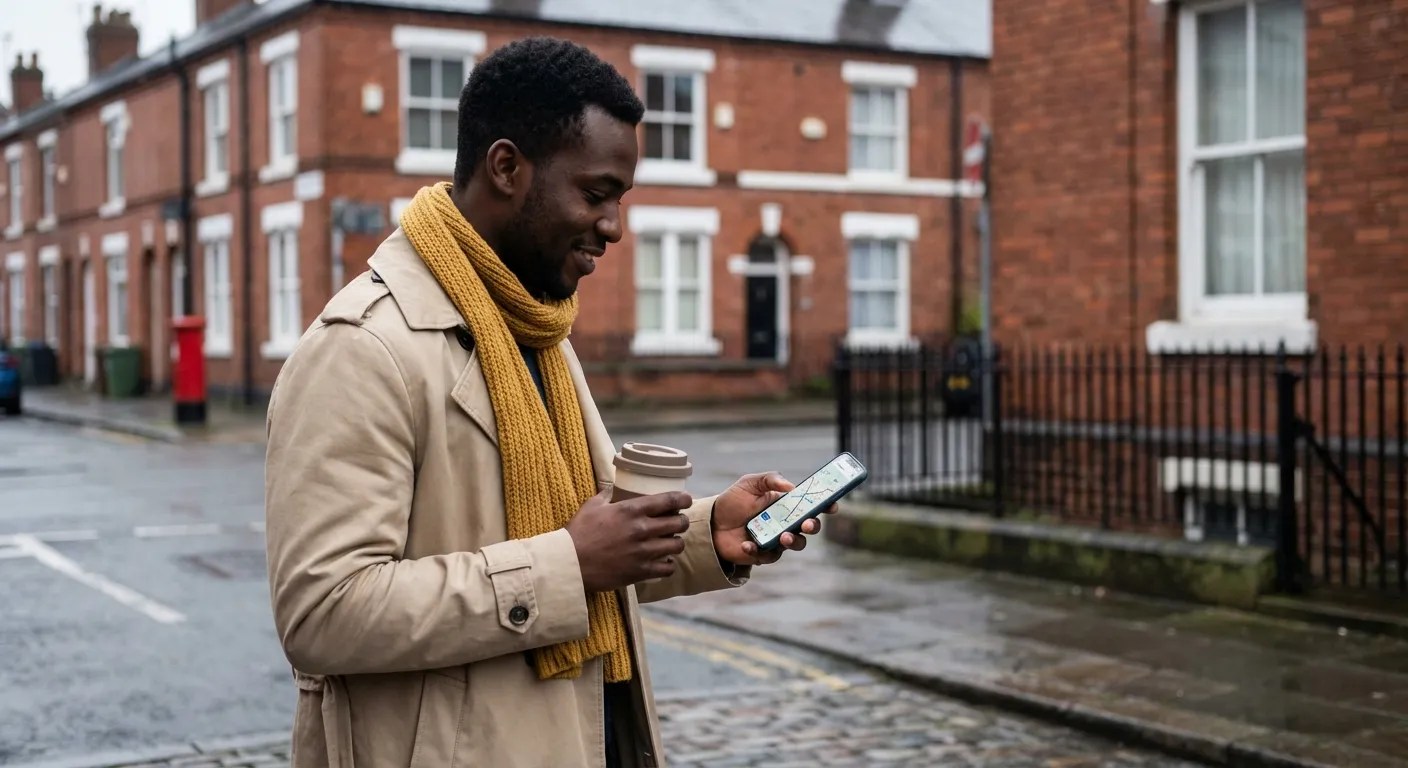
In your first weeks, you’ll spend a lot of time getting the basics sorted:
- BRP and bank account: After you collect your Biometric Residence Permit (BRP), you can open a UK bank account, set up your phone contract and register with a GP (doctor’s surgery). Without these, everyday life-from getting paid to seeing a doctor-can be harder, so it’s worth doing them early.
- Housing: If you’re in a house share, expect references, a deposit and clear rules about guests, cleaning and noise-especially in big cities. Renting in London, Manchester, Birmingham or other major cities can feel expensive compared to Nigeria, so budgeting starts early.
- Transport: You’ll quickly learn to live by the bus and train timetable. Most people tap in and out with a contactless bank card or a local travel card, like an Oyster card in London. Apps such as Citymapper, Google Maps or local bus apps make it easier to plan your journeys and avoid getting lost.
Daily life, culture shock and first contacts
Weather and daylight are often the biggest shock. In winter, it can be dark by late afternoon and the cold, wet weather can affect your mood and energy. Simple habits can help-like going for short walks in daylight, keeping a routine and planning regular video calls home.
Many Nigerians say that Sunday visits to Nigerian churches in UK cities give them warmth, music, food and language that feel familiar. You’ll also find Nigerian shops and restaurants in places like Peckham and Woolwich in London, parts of Manchester, Birmingham and other student cities-great spots for food, community and information.
Socially, British people can seem polite but a bit reserved at first. Small talk about the weather, work, football or the weekend is normal, and most people prefer to plan visits and hangouts in advance rather than dropping in unannounced. Over time, you’ll start to notice more Nigerians around you-especially in areas with a strong London Nigerian community or in universities-and these early connections are often the start of real friendship, support and a better life in the UK for Nigerians.
Where Nigerians are based across the UK
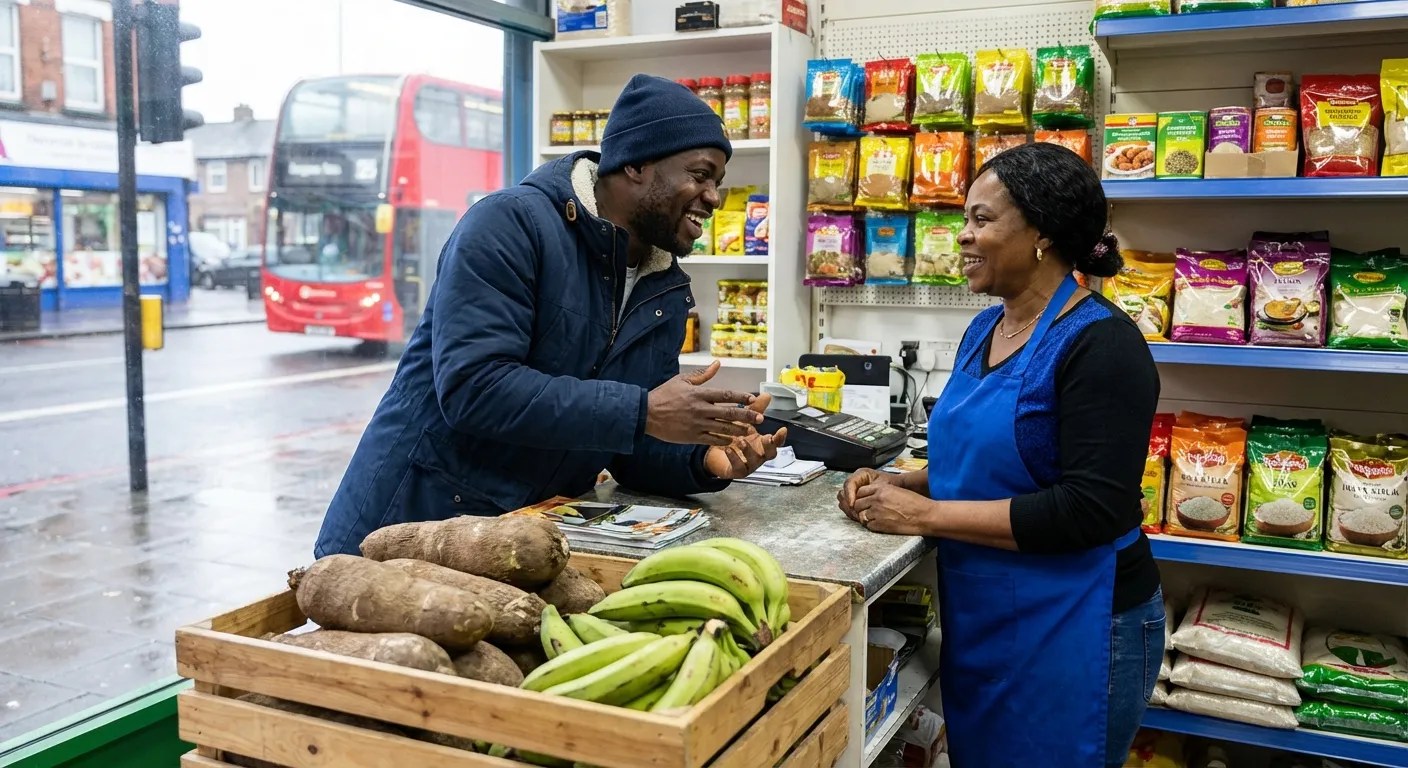
London has the largest concentration of Nigerians in the UK. Areas like Peckham, Lewisham, Woolwich, Thamesmead, Tottenham and Edmonton are known for Nigerian shops, salons and food spots. You’ll hear Yoruba and Igbo on the bus and find everything from agege bread to suya and jollof rice on the menu.
Outside London, cities like Birmingham, Manchester, Liverpool, Leeds, Coventry and Glasgow all have active Nigerian student communities, professionals and families. Many universities have Nigerian Students’ Societies and African Caribbean societies. You’ll also find local “Nigerian community in UK” and city-specific Facebook or WhatsApp groups where people share housing tips, job leads, church events and social meetups.
Practical ways to find your local Nigerian community
- Start with food and shops: Search for African food stores, Nigerian restaurants and barbers or braiders in your city. Staff often know about local events, churches and social groups, and many put up flyers in-store.
- Join online groups: Look for Nigerian or wider African community groups and forums for your city-especially helpful when you’re settling in the UK from Nigeria and you don’t know anyone yet. Facebook, Telegram and WhatsApp are a good place to start.
- Attend community events: Keep an eye out for Independence Day celebrations, Nigerian parties (“owanbe”), Afrobeat nights, church conventions and university cultural shows. These are great spaces to meet people in a relaxed, friendly setting.
- Ask on campus or at work: If you’re a student or starting a new role, ask about African, Black or multicultural staff and student networks. They can help you find mentors, friends and-later on-support when you’re exploring jobs in the UK for Nigerians.
Bit by bit, these small steps build a circle of friends, support and familiarity-so the UK starts to feel less like “abroad” and more like another version of home.
Faith is a big part of life in the UK for many Nigerians, and church is often where you first feel at home after you move from Nigeria. The Nigerian community in the UK has built strong, welcoming faith spaces that go far beyond Sunday services-especially in London, but also in cities like Birmingham, Manchester, Leeds and Glasgow.
Popular Nigerian churches and what they offer
Across the country you’ll find familiar names like Redeemed Christian Church of God (RCCG), Winners’ Chapel, Mountain of Fire and Miracles Ministries (MFM), Deeper Life and Christ Embassy. Many have multiple branches, so you’re likely to find a service near you-even if you live outside London or in a smaller town.
These churches often offer:
- Practical support-help understanding NHS registration, GP sign-up, school admissions, council tax letters or local bus and train routes.
- Emotional support-pastors and elders who understand what settling in the UK from Nigeria really feels like, especially when you miss home.
- Community events-youth groups, women’s meetings, prayer meetings and social gatherings with jollof, puff-puff and proper Nigerian music, often after service or on bank holiday weekends.
Faith-based networks beyond Sunday service
Many Nigerian churches in the UK run small midweek fellowship groups in members’ homes or local community halls. These are quieter spaces where you can share worries about housing, jobs in the UK for Nigerians, childcare or the cost of living many UK Nigerians are facing-and get advice from people who’ve walked the same path.
You’ll also find WhatsApp groups, choir rehearsals, Bible study meetings and volunteering teams that make it easy to meet people and build real friendships. If you’re new, introduce yourself after service, mention how long you’ve been in the UK and you’ll usually leave with at least one invitation and a new contact saved in your phone.
Building everyday friendships and a social life in the UK as a Nigerian starts with small, daily choices. As you move from Nigeria to the UK and connect with the wider Nigerian community here, your aim is to build a circle that feels like family-even when your real family is far away.
Turn everyday spaces into connection points

Life in the UK for many Nigerians can easily become “home-work-church-repeat”. To avoid feeling isolated, try to treat everyday places as chances to meet people and build your circle.
- At work or uni: Join social clubs, workplace networks or student societies. Most UK universities have African or Afro-Caribbean societies where Nigerians in the UK naturally find each other and feel at home.
- In your neighbourhood: Say hello to neighbours in the lift, chat with parents at the school gate and look out for local Facebook or WhatsApp groups for your area. Many UK towns and cities have community groups for new residents, parents or specific postcodes.
- Gyms and classes: Regular activities make it easier to see the same faces and start conversations. From Zumba in east London to five-a-side football in Manchester or dance classes in Birmingham, pick something you enjoy and keep turning up.
Mix Nigerian circles with wider UK social life
Your Nigerian community-whether that’s in London, Manchester, Birmingham or through local Nigerian churches in the UK-is a strong foundation. But mixing it with wider British circles helps you feel at home in the country as a whole.
- Share your culture: Host a small jollof night, invite colleagues to try suya or puff-puff, or wear Ankara to casual gatherings. People in the UK are often curious about Nigerian culture and happy to experience it when you share it confidently.
- Say “yes” more often: When someone suggests after-work drinks, a Sunday roast, a kickabout in the park or a coffee after church, try to go along at least once. These low-key invites are often how people in the UK build friendships.
- Stay consistent: Real friendships take time. Keep showing up-whether that’s a weekly Bible study, Saturday football, a local meetup or brunch with new friends. In the UK, people often build trust slowly, so your consistency really matters.
Finding work is a big part of life in the UK for Nigerians. Once you move to the UK from Nigeria, your job shapes where you live, who you meet and how quickly you feel settled. Many Nigerians in the UK start with “anything available”, but with a bit of planning you can move towards something that matches your skills and the latest UK visa rules for Nigeria migrants more quickly.
Common jobs in UK for Nigerians and first steps

You’ll find Nigerians working in care, IT, finance, construction, retail, logistics, hospitality and across the NHS. If you trained as a nurse, teacher, engineer or accountant in Nigeria, check whether your qualification needs UK recognition or extra exams before you apply. Many regulated roles list these details on official UK government pages or on the relevant professional body’s website.
To get started, you can:
- Prepare a UK-style CV that’s short, clear and focused on your skills and results.
- Set up profiles on major UK job boards such as Indeed, Reed and CV-Library, as well as LinkedIn.
- Register with reputable recruitment agencies in your field and keep in touch with your consultant.
- Practise for online interviews-UK recruiters often use “competency” questions and expect specific examples.
Remember that many roles-especially in care, education and health-include background checks such as a Disclosure and Barring Service (DBS) check, so job offers can take a little time to finalise.
Professional networking and using the Nigerian community in UK
Your network is just as important as your CV. The wider Nigerian community in UK can be a real advantage when you’re new and still learning how things work.
- Ask in local WhatsApp and Facebook groups for sector-specific advice, job leads and introductions.
- Use Nigerian churches in the UK and community events to meet people already working in your industry.
- In the London Nigerian community, look out for professional meet-ups, tech events, career fairs and alumni gatherings from Nigerian universities.
- Join UK-based professional bodies-for example for engineers, accountants or nurses-and attend their events, even if they’re online.
As you’re settling in the UK from Nigeria, be clear about the kind of work you want and the skills you bring. Many people find their first or better job because another Nigerian quietly recommends them or passes their CV to the right person.
Understanding the cost of living UK Nigerians face is key to feeling in control of your new life. As you move to UK from Nigeria, it helps to know what things really cost so you can plan-and avoid any nasty surprises. This is a big part of everyday life in UK for Nigerians, whether you’re in the London Nigerian community or settling in cities like Birmingham, Manchester, Leeds or Glasgow.
Typical monthly costs to expect
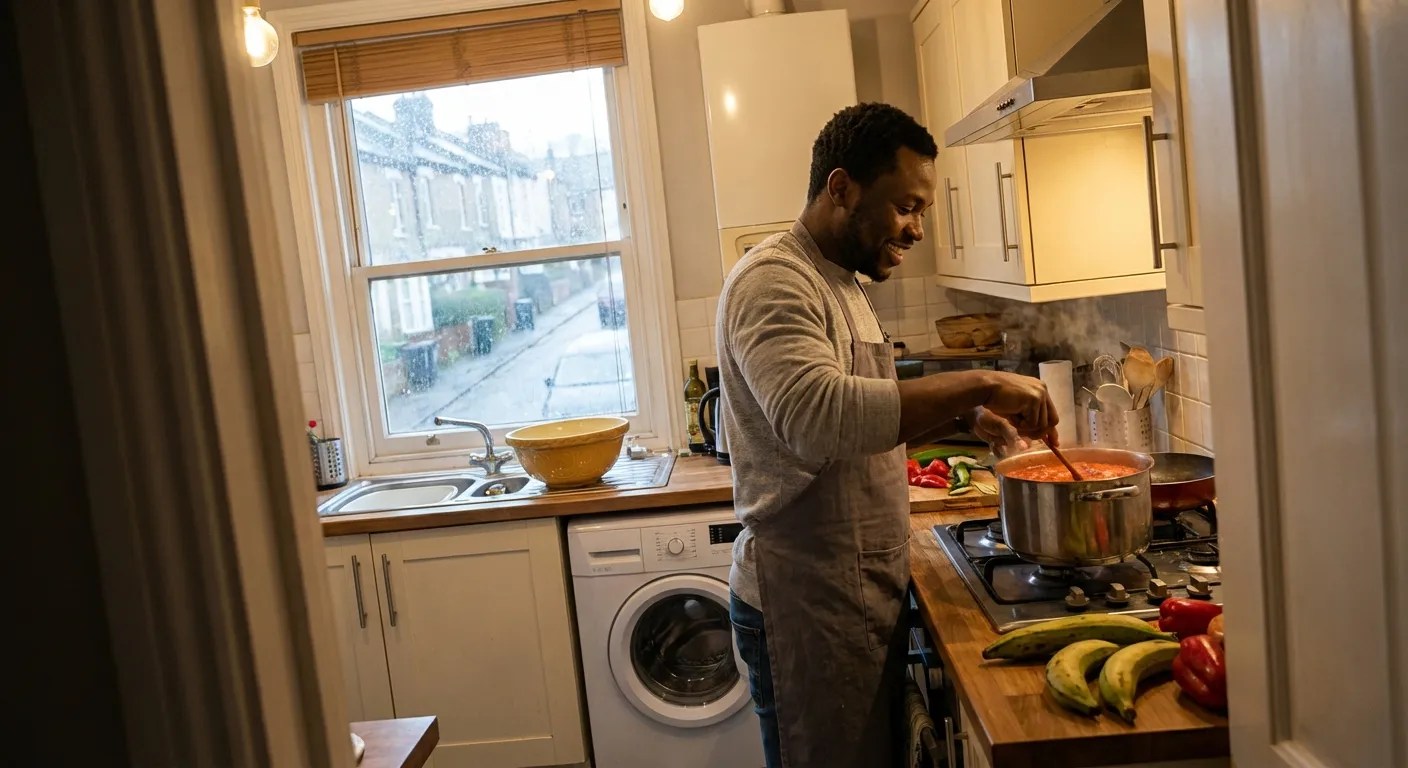
London is the most expensive place to live, while other UK cities are usually cheaper for rent and transport. You’ll still notice a difference in prices from area to area, even within the same city.
- Rent: House shares are common for Nigerians in the UK. In outer London, a room in a shared house might start from about £650-£900 a month. In many northern and Midlands cities, you might pay closer to £400-£650 for a similar room.
- Bills: Budget around £120-£200 a month for gas, electricity, water, internet and your TV licence, depending on the size of the property and how many people share.
- Transport: In London, a capped Oyster or contactless spend for zones 2-3 can easily reach £120+ a month if you commute regularly. In other cities, monthly bus or tram passes are often in the £50-£80 range.
- Food: Cooking at home is usually cheaper. If you plan your meals and shop at discount supermarkets and African food shops, you might spend roughly £150-£250 a month on groceries.
Simple budgeting tips for settling in UK from Nigeria
- Start with a realistic budget: List your income first, then your fixed costs (rent, bills, council tax if it applies to you, transport). Whatever is left can cover “flexible” spending like food out, data and clothes.
- Use UK budgeting apps: Many Nigerians in the UK use banking and budgeting apps that group spending into categories, so you can quickly see where your money goes and where to cut back.
- Cook Nigerian food at home: Buying ingredients from local African shops and street markets is often cheaper than regular takeaways or eating out, especially in London.
- Watch small subscriptions: Gym memberships, streaming services and mobile contracts add up fast-especially in your first year in the UK, when it’s easy to feel pressure to “keep up”. Cancel anything you don’t really use.
- Plan for sending money home: Decide a monthly amount for family support and build it into your budget from the start, rather than sending money as a last-minute extra.
When you have a clear view of your costs and a simple monthly plan, you can spend less time worrying about money and more time building your new community, career and life in the UK.


Popular articles




Invite friends to TransferGo, earn £20