

Filipino community in the UK: guide to settling and thriving


Send from


Exchange Rate
– – –
GBP 1 = NGN 2030.28232
Transfer Fee
Free – – – 0.99 0.99 USD
Receiver gets


Powered by Moka United
Delivered in minutes
What life in the UK really feels like for Filipinos
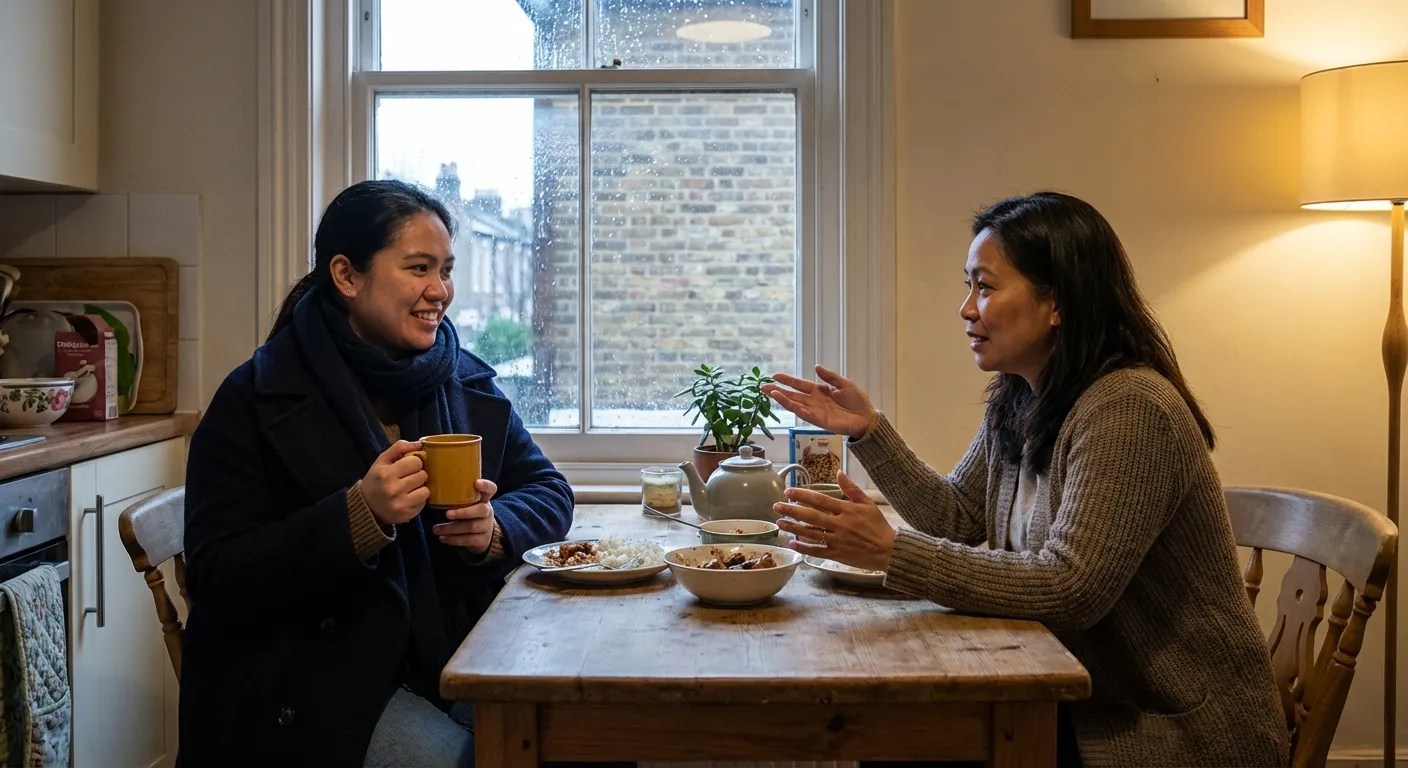
When you move to the UK from the Philippines, the first weeks can feel exciting and overwhelming at the same time. Life in UK for Filipinos often starts with long shifts, grey weather, unfamiliar accents and a very different pace of life. Many arrive on a UK visa Philippines route for healthcare, care work, hospitality or other skilled roles, and suddenly find themselves far from family-trying to understand council tax, bus routes and the cost of living that UK-based Filipino migrants often describe as a shock at first.
You might be living in staff accommodation near an NHS hospital, a shared house in east London, or a quiet suburb in Scotland or the north of England. Work can be intense-especially for Filipino nurses in UK and carers-so it’s easy to feel lonely once you go home and close the door. This is where the Filipino community in UK becomes more than just a social life; it becomes your safety net.
Why community matters from day one
A strong Filipino network helps with the practical side of settling in UK from Philippines-finding cheaper Asian shops, understanding payslips, navigating NHS GP registrations and appointments, or learning how council tax and TV licences work-and the emotional side too. Filipino churches in UK, community groups, weekend basketball teams and workmates who “get it” can quickly feel like extended family.
They share food, stories, tips and support, so you don’t have to figure everything out on your own. Whether it’s advice on the best area to rent in Birmingham, how to send money home safely, or where to find proper Filipino food in Manchester, that community can make your new life in the UK feel less lonely and much more like home.
Table of contents
- Community support and resilience for Filipinos and ESEA migrants in the UK
- How to move to the UK from the Philippines and find your feet in a new community
- Finding a Filipino community in the UK through churches, social groups and regional associations
- Filipino nurses in the UK: turning NHS jobs into support networks
- Practical tips for settling in the UK from the Philippines
- Staying connected to home while building a new life in the UK
Community support and resilience for Filipinos and ESEA migrants in the UK
A 3-year, lottery-funded project in London is helping East and Southeast Asian (ESEA) migrants, including many Filipinos, to settle, stay connected and plan for the future. Through practical workshops, wellbeing sessions and regular community activities, the programme aims to build adaptable, resilient ESEA communities that can face challenges around work, housing and everyday life in the UK.
Partner organisations such as Bahay Kubo Housing Association and Kanlungan Filipino Consortium focus on Filipino and wider ESEA migrants. They offer:
- clear, practical housing advice for people renting or looking for a home
- welfare and employment support, including help understanding your rights at work
- culturally sensitive mental health and wellbeing services
If you’re new to the UK or finding it hard to navigate life here, these groups can connect you with other Filipinos and ESEA migrants, support you to access services and help you feel more at home in your local community.
How to move to the UK from the Philippines and find your feet in a new community
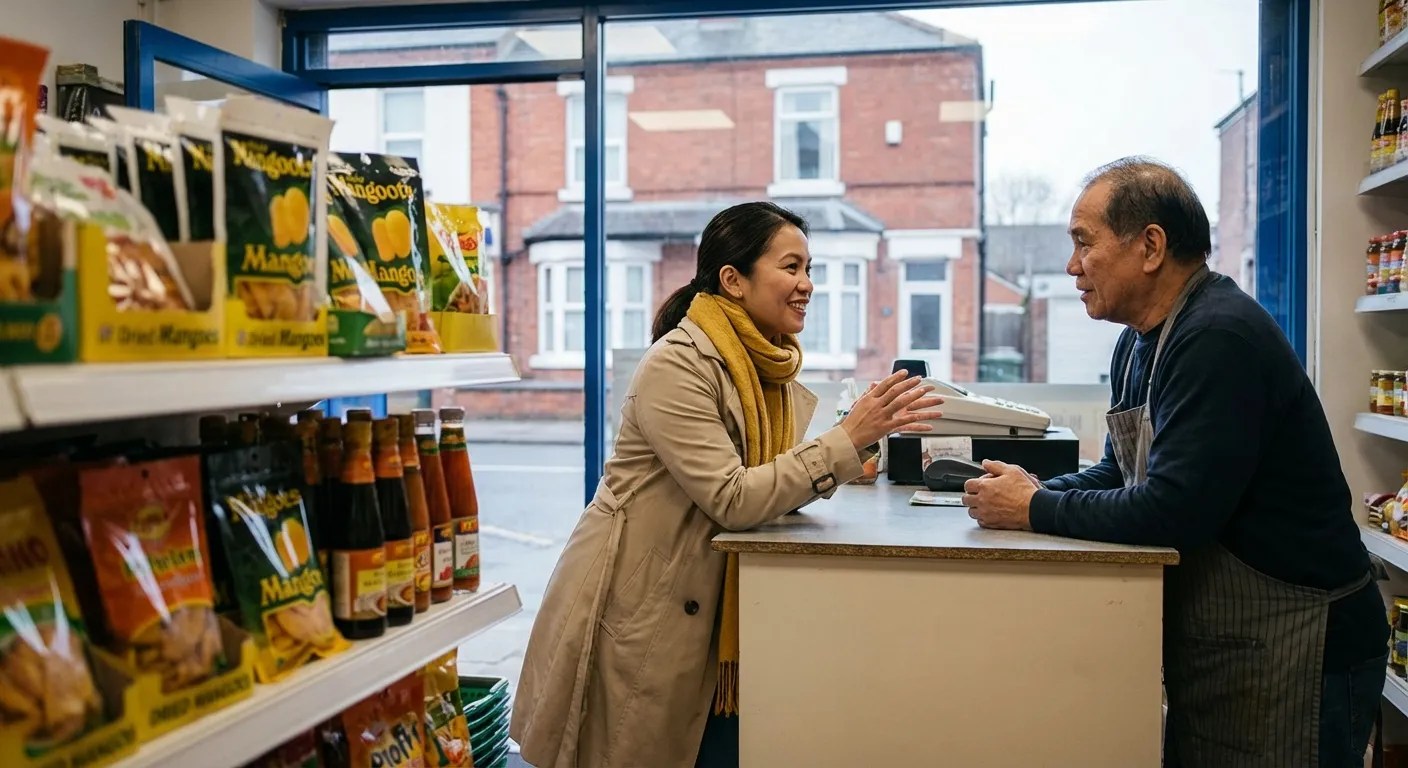
When you move to the UK from the Philippines, your paperwork and your people matter just as much as each other. Once you’ve chosen your UK visa route from the Philippines-whether that’s healthcare, care work, skilled work or study-start planning where you’ll live and who you’ll lean on. Life in the UK for Filipinos feels easier when you’re not doing it alone.
Before you fly, join Facebook and Viber groups for Filipinos in the UK in your destination city-whether that’s London, Manchester, Birmingham, Glasgow or somewhere smaller. Ask about areas with good transport links, the real cost of living Filipino families are facing, and which house shares are safe and fair. If you’re coming for NHS jobs or as one of the many Filipino nurses in UK hospitals, look for staff networks or WhatsApp groups your future colleagues already use.
Once you arrive, visit Filipino shops, community centres and Filipino churches in UK cities near you. Introduce yourself, ask about local events and keep showing up-this is how your new support network starts. And if you’re still at the planning stage, our detailed guide to the UK visa process for Filipinos can help you get the legal side sorted so you can focus on settling in the UK from the Philippines with confidence.
Supporting Filipino migrant women through community and grants
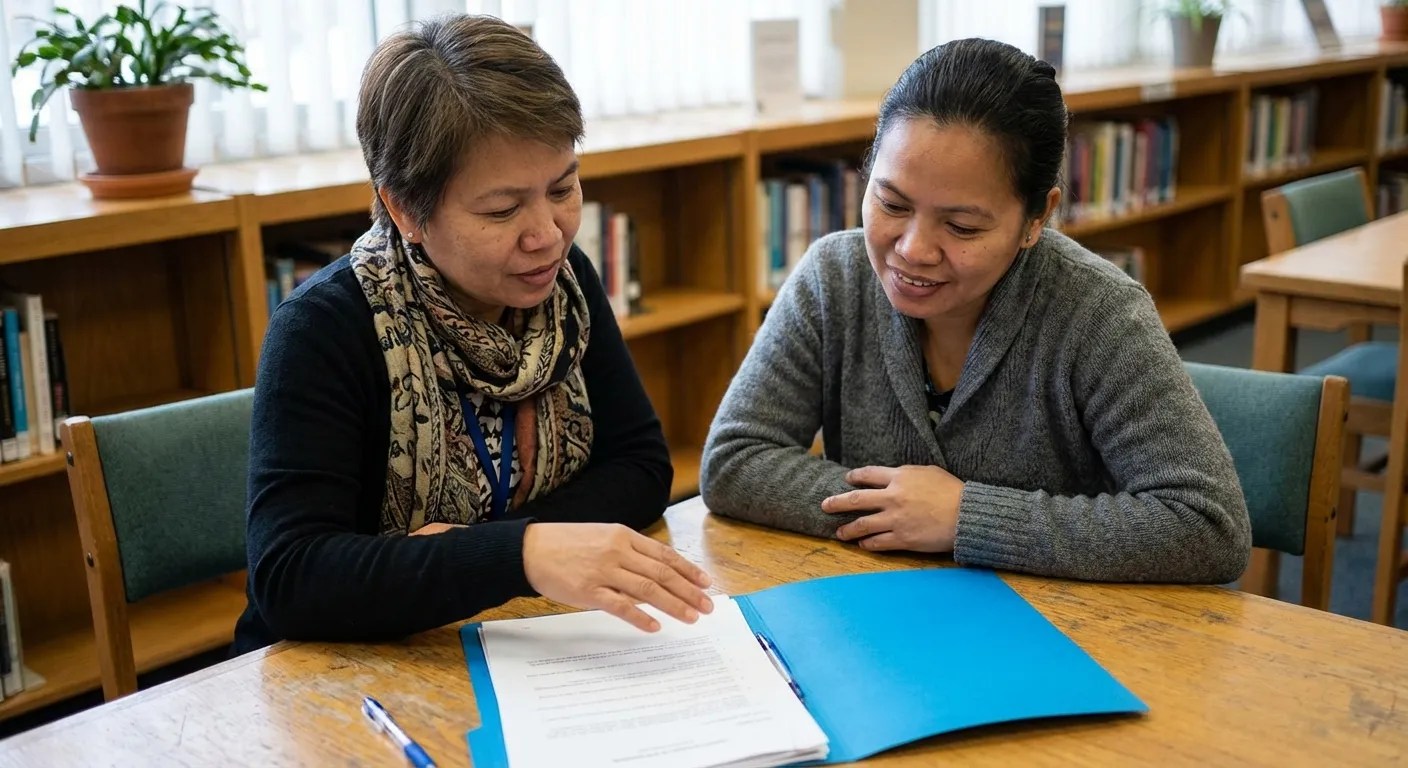
Kanlungan is a long-standing consortium of 12 organisations that work together for the welfare and interests of Filipino and other migrant communities in Britain. As highlighted in this article, they offer joined-up welfare, immigration, legal and mental health support that reflects the real challenges migrant communities face across the UK.
The interview focuses on how Kanlungan, in partnership with the Smallwood Trust, supports vulnerable migrant women-particularly Filipino nurses, domestic workers and spouses-through the cost of living crisis. Together, they provide small grants, safe housing options and tailored mental health initiatives, helping women stay financially afloat, feel safer at home and access specialist advice when they need it most.
If you’re a Filipino migrant in the UK, Kanlungan’s work is a good example of the kind of community-based support that may be available to you-from practical financial help to a trusted network that understands your rights, your responsibilities and your day-to-day reality in Britain.
Finding a Filipino community in the UK through churches, social groups and regional associations
For many Filipinos in the UK, especially those settling in UK from Philippines on work routes or a UK visa Philippines, the first place that feels like “home” is often the local Filipino church community. Sunday services, choir practice and prayer meetings quickly turn into shared meals, job tips and kuya/ate-style advice about everyday life in UK for Filipinos.
You’ll find active Filipino churches in UK in areas with big migrant populations-London, Birmingham, Manchester, Leeds, Glasgow and around major NHS hospitals. Many English or Catholic parishes now host Filipino Masses, novena groups or Simbang Gabi services. These often have WhatsApp chats or Facebook groups where people share rooms to rent, second-hand furniture, help with paperwork and extra shifts going at care homes or on NHS wards.
Beyond church, there are plenty of Filipino social groups across the UK. In many towns you’ll find:
- basketball teams and badminton clubs
- Filipino food meet-ups and karaoke nights
- dance groups for fiestas and local cultural festivals
There are also regional associations-Ilocano, Bicolano, Cebuano, Kapampangan and more-that organise Independence Day celebrations, Christmas parties and charity projects back home. These are great places to meet people who speak your dialect, share the same comfort food and understand exactly what it’s like to move to UK from Philippines, look for NHS jobs UK Filipino, or settle into the Filipino community in UK while managing the cost of living UK Filipino families face.
Filipino nurses in the UK: turning NHS jobs into support networks
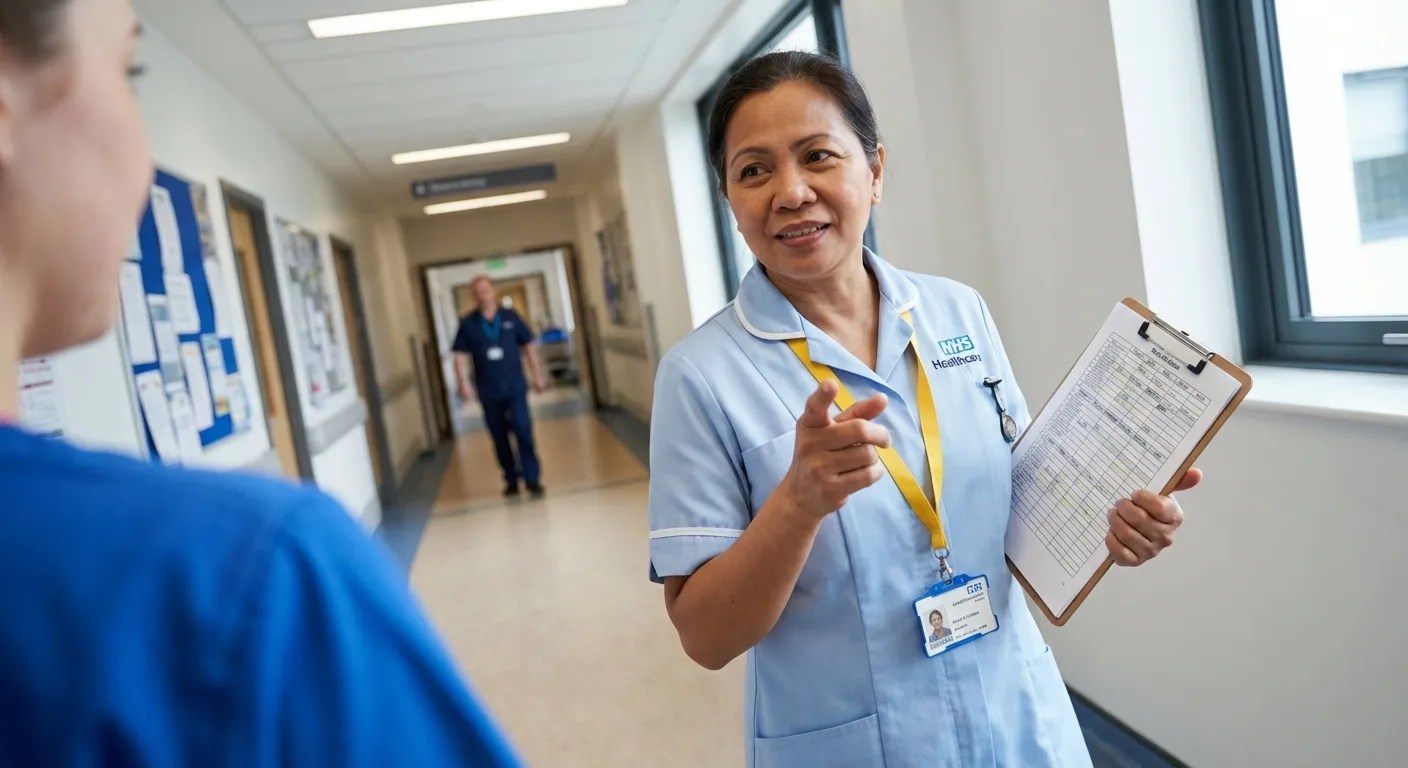
For many Filipino nurses in UK, an NHS job is the main reason to move to UK from Philippines. Once you arrive, your colleagues often become your first real Filipino community in UK and a big part of everyday life in UK for Filipinos.
On most wards, you’ll meet senior Filipino nurses who’ve been in Britain for years. They often:
- explain rota systems, night shifts and annual leave
- share tips on handling winter flu season and busy A&E nights
- help you understand British humour and bedside small talk with patients
Many hospitals have informal Filipino group chats and payday potluck meet-ups. This is where you find out where to buy longganisa, how to stretch your budget with the higher cost of living UK Filipino, and which areas are safer or closer to work when you’re settling in UK from Philippines.
Outside work, Filipino healthcare staff often form choirs, sports teams and prayer groups, sometimes linked to Filipino churches in UK or local parishes with Tagalog or English-Tagalog Mass. Others join union networks or NHS staff equality groups to speak up about fair treatment, flexible rotas and career progression.
If you’re applying for NHS jobs UK Filipino routes, ask your future ward or Trust if there’s already a Filipino staff network or international nurses group. Joining from day one can make your move to the UK feel more welcoming, less lonely and much easier to navigate.
Practical tips for settling in the UK from the Philippines

When you move to the UK from the Philippines, the day-to-day details matter just as much as finding your community. Here are some practical pointers that many Filipinos in the UK say helped them feel at home faster-especially when the cost of living for Filipino families in the UK feels high at first.
1. Housing and shared accommodation
Housing is often your biggest expense, especially in cities like London, Birmingham, Manchester, Glasgow or Edinburgh. If you can, start small and flexible.
- Begin with a house share or staff accommodation if your employer offers it-it’s usually cheaper and you’ll often find an instant Filipino community, especially near hospitals, care homes and big hotels.
- Always check what’s included in the rent. Council tax, gas, electricity, water and internet can easily add £150-£300 per month on top, depending on where you live and how many people share the bills.
- Consider living a few stops further out on the Tube, tram or bus. Areas just outside the city centre are often more affordable, even if your commute is slightly longer.
- Look at travel costs before you sign a contract-a cheaper room is less helpful if you pay a lot more for buses, trains or Zone 1-2 Tube travel.
2. Budgeting for everyday life
The cost of living in the UK can be a shock when you first arrive, but a simple plan helps you stay in control and still send money home.
- Compare supermarkets. Many people do a big shop at discount chains, then buy fresh vegetables, fish or rice in Asian or Filipino shops at weekends. Local markets can also be good value for fruit and vegetables.
- Use a clear monthly budget: pay rent and household bills first, then set aside money for food and travel, and then plan your savings and money transfers home.
- Keep an eye on subscriptions-streaming services, gym memberships and mobile contracts add up quickly if you’re paying for more than you really use.
- Check if your employer offers discounts, staff meals or travel schemes such as season ticket loans-it all helps when you’re getting settled.
3. Using local services and support
The UK has a lot of public and community services that can make life easier once you know how to use them.
- Register with a GP surgery as soon as you can-it makes life easier later, especially for Filipino nurses in the UK or other shift workers who may need repeat prescriptions or sick notes.
- Sign up for your local library. It’s free, warm and often a hub for practical help-computer access, job search support, English classes and community events.
- Ask trusted colleagues, Filipino churches in the UK and neighbourhood groups where to find reliable solicitors, money transfer services and immigration advisers when you need extra help. Always check reviews and avoid anyone who promises “guaranteed” results.
- Look for Filipino and wider migrant support groups on platforms like Facebook or through local councils. They can be a good source of advice on tenants’ rights, benefits and workplace issues.
These small, practical steps make settling in the UK from the Philippines feel less stressful-and give you more headspace to enjoy day-to-day life, connect with other Filipinos in the UK and build stronger roots for the future.
Staying connected to home while building a new life in the UK

When you move to the UK from the Philippines, it’s natural to miss family, food and familiar routines. For many Filipinos in Britain, the happiest balance is staying close to home emotionally while feeling fully present in your new life here. That mix can make life in the UK feel less lonely and more meaningful.
Keep family close, even with the time difference
- Set a regular video call schedule that works with UK shifts and Manila time-especially if you work nights or have NHS shifts.
- Create shared family group chats for updates, photos and quick “kumusta?” messages in between busy days.
- Share your UK milestones-your first snow day, first payslip, first Sunday roast or first trip on the Tube-so your loved ones feel part of your journey.
Share your UK life with the Filipino community
- Swap stories about settling in the UK at local meet‑ups, Filipino churches and community events in cities like London, Birmingham, Glasgow or Manchester.
- Cook or order Filipino food together on days off-noche buena, birthdays or even a rainy Tuesday in Manchester or Leeds.
- If you’re one of the many Filipino nurses or carers in the UK, celebrate wins with colleagues who understand both your work here and your life back home.
Support both homes
- Set a realistic sending budget that fits the cost of living Filipinos face in the UK, so you can support family without burning out.
- Get involved in UK‑based Filipino fundraisers for typhoons, school projects or community causes back in the Philippines.
Staying rooted in the Philippines while you grow in Britain means you don’t have to choose one home over the other-you can belong to both.


Popular articles




Invite friends to TransferGo, earn £20