
Moving to UK from Pakistan: finding your community


Send from


Exchange Rate
– – –
GBP 1 = NGN 2030.28232
Transfer Fee
Free – – – 0.99 0.99 USD
Receiver gets


Powered by Moka United
Delivered in minutes
Life in the UK for Pakistanis: those first days and weeks
Arriving in the UK is exciting, but it can also feel overwhelming. When you move to the UK from Pakistan, everything from the weather to how people queue for the bus can feel new. Knowing what everyday life in the UK is like for Pakistanis helps you prepare and settle in faster.
Let’s start with the practical side. You’ll see how organised many things are-timetables for trains and buses, registering with a GP for healthcare, and clear processes for renting a room or flat. It can feel slow at first, especially if you’re waiting on paperwork after getting your UK visa from Pakistan, but once you’re in the system, day‑to‑day life usually becomes simpler.
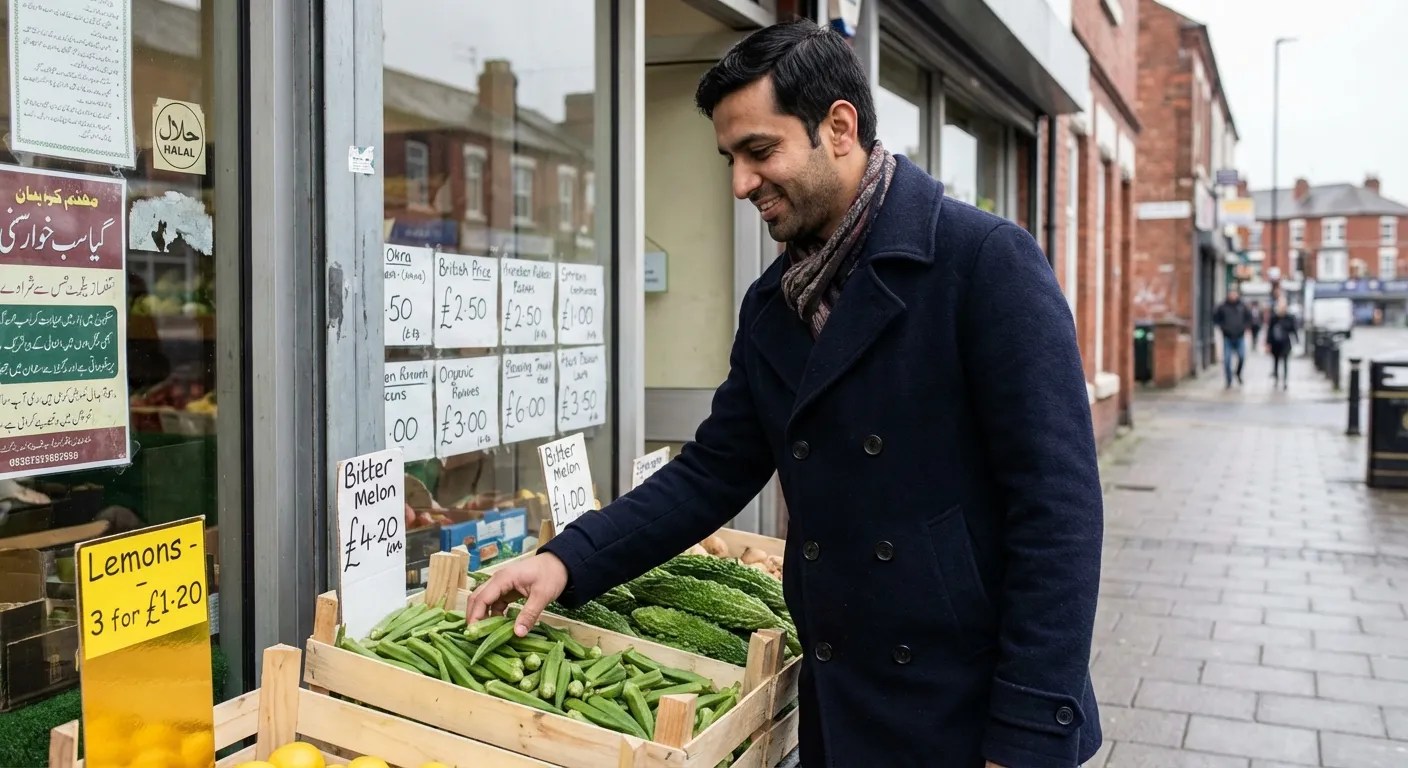
Socially, people in Britain are often polite but a bit reserved. Neighbours might not immediately invite you in for chai, but a friendly “hello” and a quick chat about the weather or the local area can open the door. Over time, you’ll start to notice signs of the Pakistani community across the UK-halal butchers, desi grocery shops, Urdu signs in shop windows and busy mosques on Fridays and Eid.
If you’re coming to study or look for jobs in the UK for Pakistanis, you’ll probably meet others in similar situations, especially in bigger cities like London, Birmingham, Manchester, Bradford and Glasgow. Those first weeks are all about learning how things work, exploring your local area and starting to build connections. With time, the streets, shops and routines that feel unfamiliar now can begin to feel like home.
Table of contents
- Historical migration and settlement of the Pakistani community in the UK
- Life in the UK for Pakistanis: those first days and weeks
- How to move to the UK from Pakistan and understand the visa rules
- Finding Pakistani community in the UK through family networks and local neighbourhoods
- Mosques in the UK for Pakistanis and faith-based community support
- Pakistani students in the UK and building a campus and city support network
- Jobs in UK for Pakistanis and professional networks to help you settle
How to move to the UK from Pakistan and understand the visa rules
If you’re planning to move to the UK from Pakistan, it pays to be clear on which visa fits your plans, how the rules work and what that means for day-to-day life in Britain.
Choose the right visa route
- Work visas – for skilled jobs in the UK, usually with a UK employer who sponsors you.
- Student visas – for Pakistani students in the UK on degree or postgraduate courses.
- Family visas – if your spouse, parent or child is already living here permanently.
- Visit visas – for short stays only; you can’t work or settle on this visa.
Key rules to understand
Each visa has its own rules on how long you can stay, whether you can switch to another route and if it can lead to settlement. For most applications, you’ll need to show:
- proof that you can support yourself financially
- English language ability (for many routes)
- a clean immigration history and criminal record
If you’re thinking about settling in the UK from Pakistan long term, check the latest rules on work, study and family visas, then read the full immigration to UK from Pakistan requirements so you understand the 2026 guidance before you apply.
When you know your visa conditions from day 1, it’s much easier to settle in, find your feet and explore Pakistani communities in UK cities such as London, Birmingham, Manchester and Bradford-and to plan your future with confidence.
Finding Pakistani community in the UK through family networks and local neighbourhoods

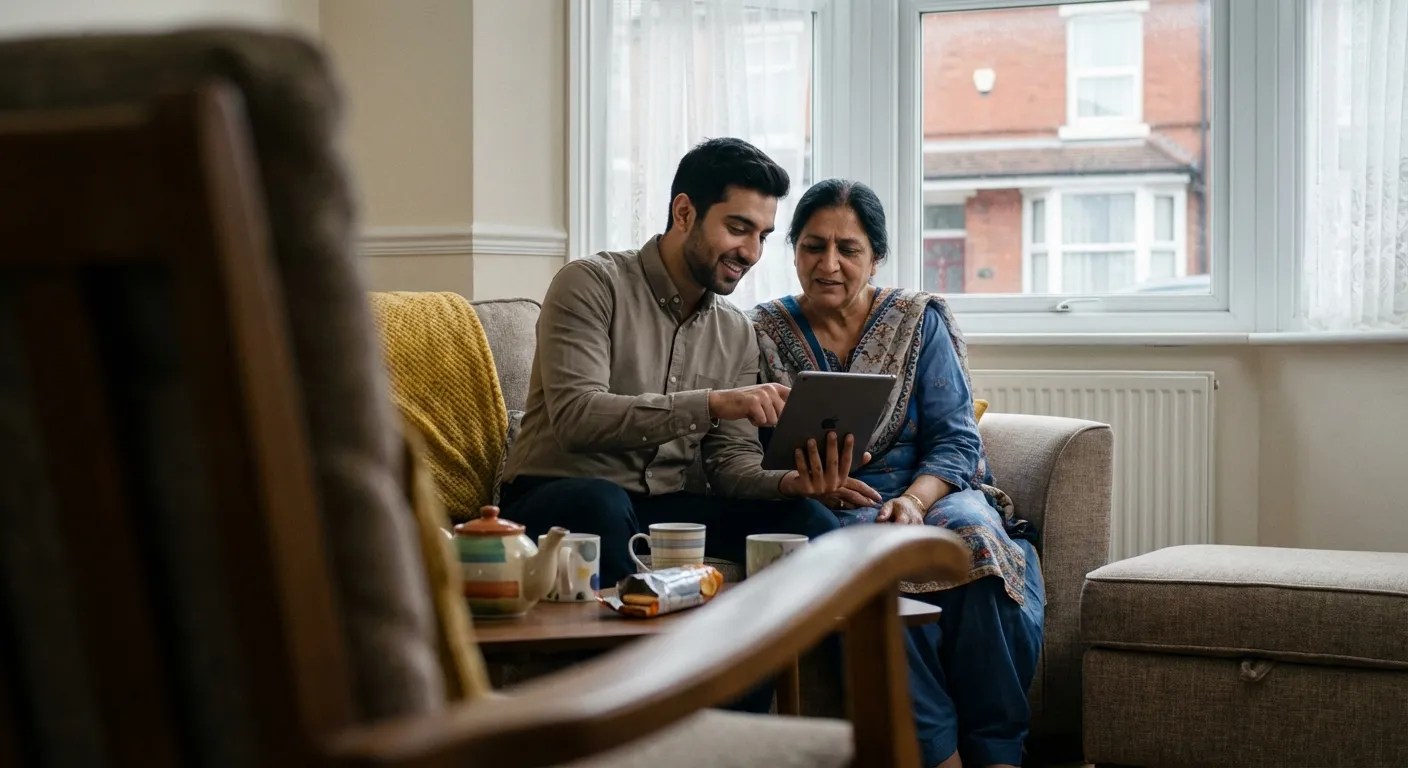
For many Pakistanis in the UK, community starts with family. If you move to UK from Pakistan to join parents, a spouse or extended relatives, they’ll often be your first guides to life in UK for Pakistanis-showing you which shops stock halal meat, which bus to take to the town centre and where the nearest mosque is.
Even if you arrive on your own, you’re rarely truly alone. Ask cousins, old school friends or colleagues who’ve already settled about the Pakistani community in UK where they live. Many towns and cities have long‑established areas with Pakistani grocers, bakeries, clothing shops and cafés. In London, for example, people often explore popular Pakistani areas in London like Southall, Ilford or parts of east London to feel closer to home.
You can also:
- join local WhatsApp and Facebook groups for Pakistanis in your city
- look out for Urdu signs in shop windows and on community noticeboards
- visit neighbourhood centres that host cultural events, English classes and advice sessions
Over time, these streets, corner shops and regular faces can become your support network-whether you’re a new worker, part of a family or one of the many Pakistani students in UK finding your feet.
Mosques in the UK for Pakistanis and faith-based community support
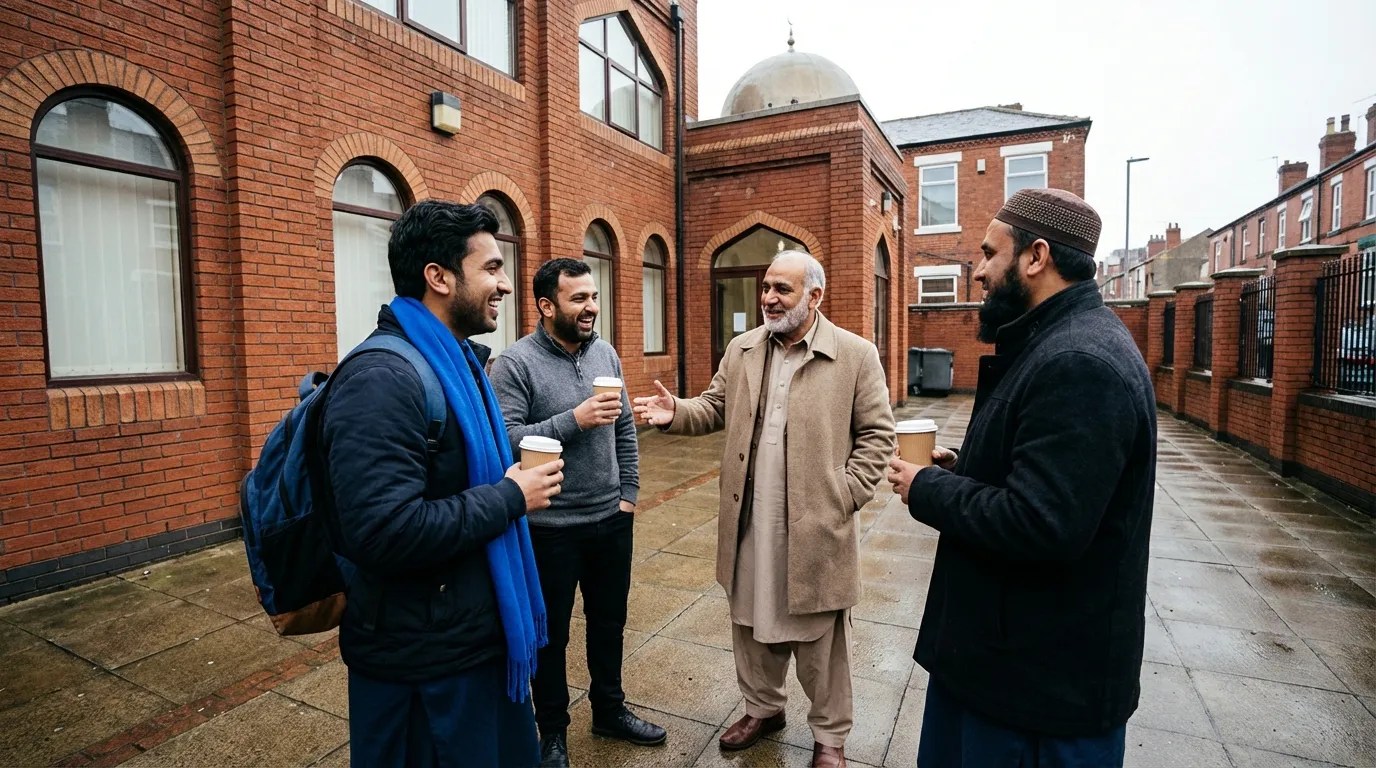
For many Pakistanis in the UK, the mosque quickly becomes a second home. When you move to the UK from Pakistan, finding a local masjid can make life in the UK for Pakistanis feel calmer, more familiar and more grounded in faith.
In most cities-especially in areas with long‑standing Pakistani communities such as east London, Birmingham, Bradford, Manchester and Glasgow-you’ll find mosques with Urdu or Punjabi khutbahs, madrasah classes for children, and Ramadan and Eid activities that feel very similar to home. These masjids are often at the heart of the Pakistani community in the UK and a key meeting point for new arrivals, families and Pakistani students in the UK alike.
Mosques in the UK for Pakistanis usually offer much more than daily prayers. Many run:
- Newcomer support – practical help finding halal shops, schools, GPs and local services.
- Advice surgeries – drop‑ins with volunteers who can guide you towards immigration, housing or benefits advice (they cannot arrange a UK visa from Pakistan, but they can point you to trusted sources).
- Women’s circles – Qur’an classes, coffee mornings and parenting groups that help sisters build friendships and settle in.
- Youth and student groups – study circles, sports, trips and mentoring, ideal if you’re studying or just starting your career.
Getting involved is simple. Attend jummah regularly, stay for chai after prayers and ask the imam or a volunteer about WhatsApp groups, charity projects or language classes. Over time, these small steps can turn a new town or city into a familiar, faith‑filled community when you are settling in the UK from Pakistan.
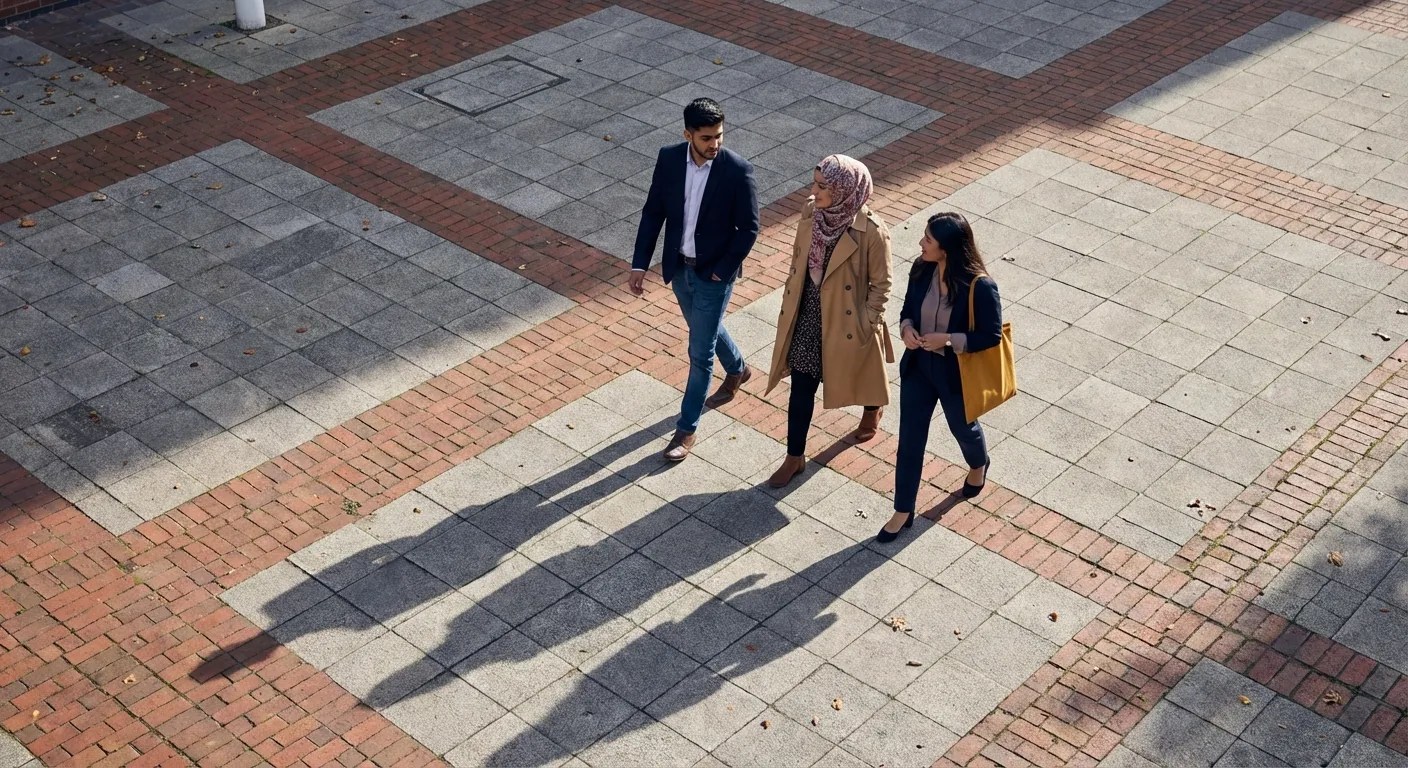
The BBC’s profile of British Pakistanis offers a clear, in‑depth look at the community’s history, culture and everyday life in the UK. It covers how and when people first migrated from Pakistan, how religion and extended family networks often shape daily routines, and how British Pakistanis contribute to life in cities such as Bradford, Birmingham, London and Manchester.
The piece also highlights that British Pakistanis are the second-largest ethnic minority group in the United Kingdom, and explores how this visibility can be a double-edged sword. On the one hand, there are well-known success stories in business, politics, sport and the arts. On the other, the article doesn’t shy away from issues like racism, economic deprivation and limited representation in mainstream media, or from the impact of negative stereotypes.
Overall, the BBC article is educational and context‑setting rather than commercial. It gives you a grounded understanding of how British Pakistani identity has developed over time, and what community, faith and family can look like in practice. This makes it a strong reference point if you want to learn more about British Pakistani experiences or explore what finding community in the UK might mean for you.
Pakistani students in the UK and building a campus and city support network
If you move to the UK from Pakistan to study, campus often becomes your first real home base. Many Pakistani students arrive knowing nobody, but soon find a tight-knit circle that feels like family and part of the wider Pakistani community in the UK.
Start with your students’ union and societies
Almost every university has an Islamic Society (ISoc) and an Asian or Pakistani students’ society. Join their WhatsApp or Telegram groups, go to freshers’ events and Friday socials, and volunteer at charity drives or iftar gatherings. It’s an easy way to meet people who share your language, food and humour, as well as British Pakistanis who understand life in the UK for Pakistanis from both sides.
Use campus services that actually help
Most universities offer free study-skills workshops, counselling, careers advice and visa guidance. These can be a lifeline when deadlines, homesickness or UK visa rules feel stressful. You’re not bothering anyone by using them-it’s their job to support you.
Connect beyond campus
Look for nearby mosques, halal shops and local Pakistani communities in cities like London, Birmingham, Manchester, Bradford or your own town. Part-time work, sports clubs and volunteering with local charities help you build a support network that lasts long after graduation-and can even lead to jobs in the UK for Pakistanis later on.
Historical migration and settlement of the Pakistani community in the UK

The story of the Pakistani community in Britain is closely tied to the country’s post-war history. After 1945, the UK needed workers to rebuild its economy. Many people from what later became Pakistan responded, travelling mainly from Punjab and Azad Kashmir to work in mills, foundries, transport and the newly expanding National Health Service. Over time, they helped shape modern Britain’s cities and towns.
The 1947 Partition of British India is a key part of this story. Partition led to mass displacement, loss and upheaval. For some families, moving to Britain-often through existing family or village links-offered a sense of stability and new opportunity. Later, large infrastructure projects such as the construction of the Mangla Dam in the 1960s displaced thousands of people from the Mirpur region. Many of them moved to the UK, especially to England’s industrial areas, using Commonwealth links and work routes already opened by earlier migrants.
In the 1960s, the UK government introduced a voucher-based system that controlled who could come to work. Pakistani migrants often arrived on these work vouchers, then encouraged relatives to join them. This is how small groups of men living in shared housing gradually became settled family communities. Streets that once held temporary lodgings became neighbourhoods with mosques, businesses and community centres.
While cities like Birmingham, Bradford, Manchester and London are well known for their Pakistani communities, smaller areas such as Gloucestershire also saw steady settlement. People often followed trusted routes-friends, relatives or fellow villagers who had already found jobs and housing there. Over time, this led to strong local networks that supported new arrivals with everyday life, from finding work to navigating British schools and public services.
As families put down roots, community life evolved. Early migrants usually expected to return “home” one day. Their children and grandchildren, born and educated in the UK, often see Britain as home while keeping close cultural and family links to Pakistan. This shift shows up clearly in education and work. British Pakistanis now work across a wide range of professions-from teaching, healthcare and retail to law, finance and tech-though challenges around inequality and discrimination still exist.
An in‑depth, non-commercial overview of this history is available in a BBC feature on the Pakistani community in Gloucestershire. You can read it at bbc.co.uk. It offers helpful background if you want to understand how Pakistani migration, settlement and community life developed across the UK.
Jobs in UK for Pakistanis and professional networks to help you settle
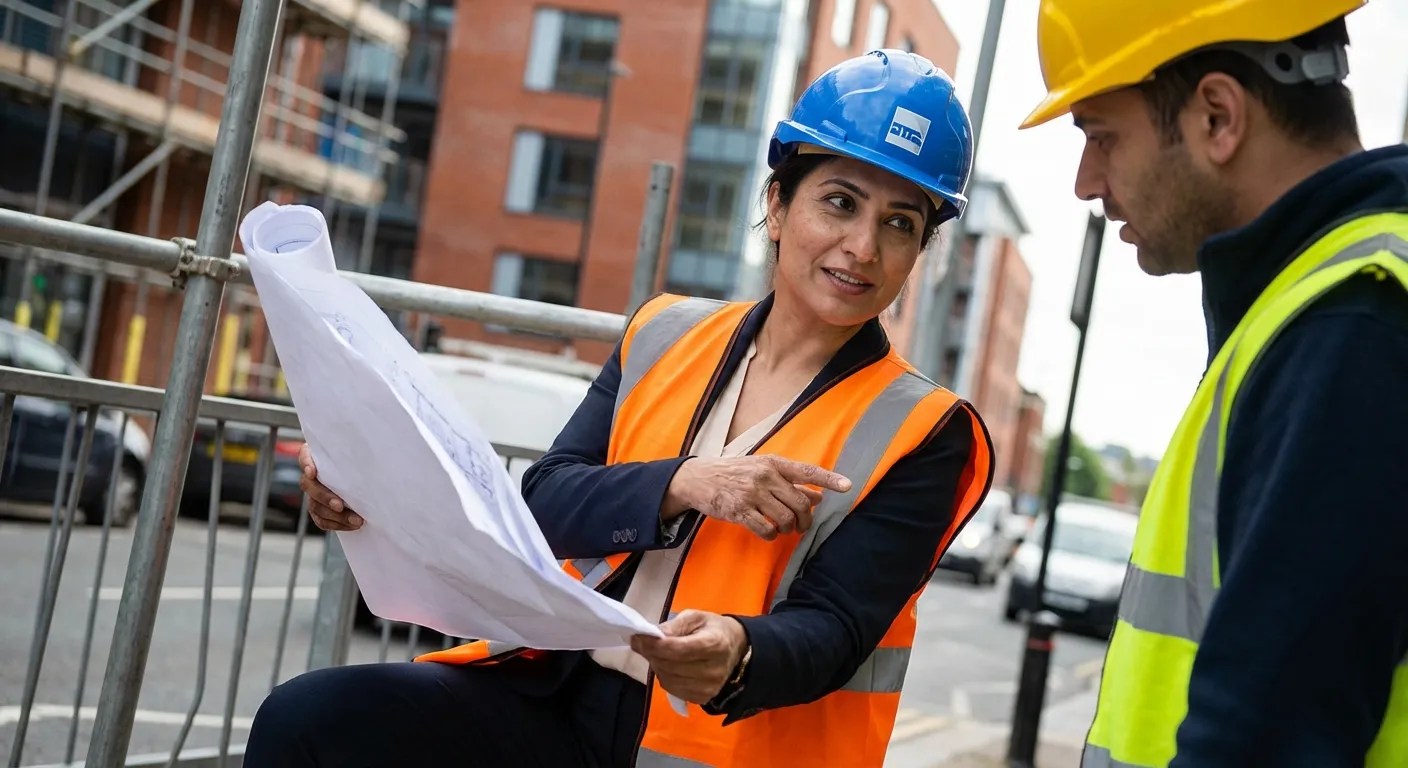
When you move to the UK from Pakistan, finding steady work is a big part of feeling settled. Many Pakistanis start with roles in retail, hospitality, driving, warehouses or care work, while others arrive on skilled visas for IT, healthcare, engineering or finance. Whatever your route, jobs in UK for Pakistanis are easier to access when you tap into the wider Pakistani community in the UK rather than searching on your own.
Start with trusted networks
- Ask family, friends and former classmates already here about vacancies, fair pay and honest employers.
- Use community WhatsApp groups linked to mosques and local cultural centres in UK Pakistani hubs for nearby job leads.
- If you live in areas with large Pakistani communities-like parts of east and west London, Birmingham, Bradford or Manchester-check shop windows and community noticeboards for openings.
Grow a professional circle
- Join ethnic or faith-based staff networks at work-many large UK employers have Muslim, South Asian or multicultural groups where you can build contacts.
- Look out for career events aimed at Pakistani or South Asian students in the UK and recent graduates at universities or community organisations; they’re a good place to meet mentors.
- Use LinkedIn to connect with British Pakistanis in your field. Send short, polite messages asking for practical CV feedback, interview tips or a quick chat about how they built their career.
Over time, these professional links sit alongside your family and community ties, helping life in the UK feel more secure, confident and connected.


Popular articles





Invite friends to TransferGo, earn £20