
Move to UK: find your Indian community


Send from


Exchange Rate
– – –
GBP 1 = NGN 2030.28232
Transfer Fee
Free – – – 0.99 0.99 USD
Receiver gets


Powered by Moka United
Delivered in minutes
Life in the UK for Indians is often a mix of excitement, small culture shocks and steady wins-finding your first room, your nearest supermarket, your go-to chai spot. When you move to the UK from India, life here can feel familiar in some ways-big Indian grocery aisles, cricket chat in the pub, Diwali lights in cities like London, Leicester and Birmingham-but very different in others, from the weather and work culture to the monthly cost of living UK-India comparison you’ll inevitably make.
Finding your community is one of the most important parts of feeling at home. From Indian areas in London to student groups in Manchester and long‑standing South Asian communities in cities such as Leicester and Birmingham, there are many ways to connect, settle in and build a life that feels like yours.
Table of contents
- Your first few weeks: what usually feels different
- Weather, food and daily routines
- Indian areas in London to explore first
- Beyond London: major hubs across the UK
- Temples, gurdwaras and mosques as community hubs
- Cultural associations, regional groups and festivals
- Campus, societies and making friends beyond your course
- Young professionals: meetups, hobbies and flatmate life
- Where Indians in the UK find work
- Networking inside the Indian community in the UK
- Historical roots of South Asian communities in Manchester
- Cost of living: UK vs India in real terms
- Practical money tips for your first year in the UK
Your first few weeks: what usually feels different
In your first days, you’ll probably notice the pace and structure of everyday life. Trains and buses run on a timetable and are usually on time. Many shops close earlier than in big Indian cities and Sundays can feel very quiet-especially outside London. People are generally polite but more reserved, so small talk with colleagues, shop staff and neighbours matters more than you might expect.
There’s also a checklist of practical tasks that will shape your first weeks. You’ll deal with your visa checks at the border, collect your biometric residence permit (BRP) if you need one, register with a GP (doctor) and open a UK bank account. Sorting these early makes everything else-rent, work, studying and sending money home-much easier.
Weather, food and daily routines
The British weather can be a real adjustment. Grey skies, frequent rain and early sunsets in winter catch many new arrivals by surprise. A warm, waterproof coat, an umbrella and comfortable walking shoes quickly become everyday essentials. You’ll also notice how the seasons change your routine-long, light evenings in summer and very short days in December.
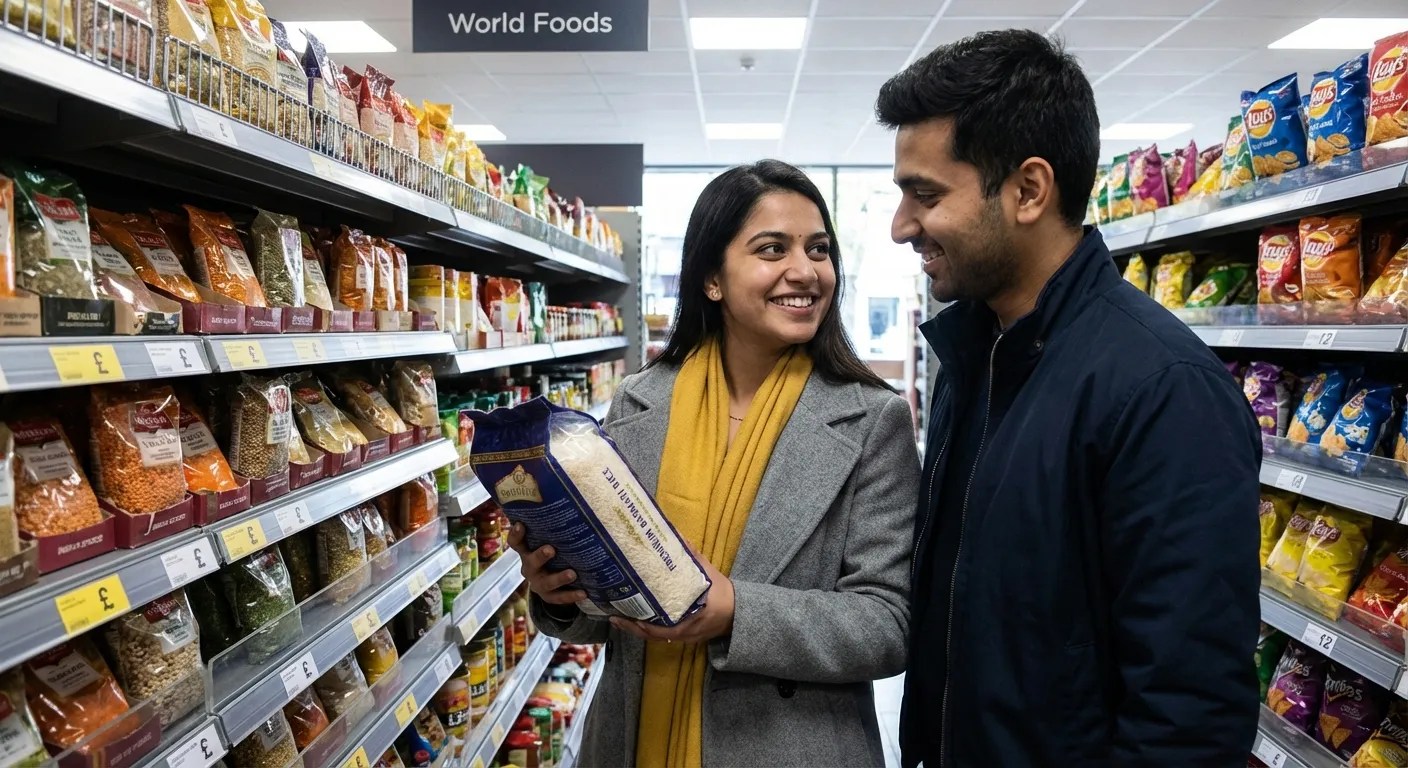
Food is usually where comfort kicks in. In most towns-and almost every major city-you’ll find Indian and South Asian shops selling familiar brands, fresh chillies, spices and ready-made rotis. Areas like Southall, Wembley, Green Street in East London, Belgrave Road in Leicester and parts of Birmingham and Manchester have strong Indian communities, with temples, gurdwaras, restaurants and sweet shops that feel like home.
Over time, many people settling in the UK from India create a routine that mixes both worlds-parathas and chai at home, supermarket meal deals or sandwiches at work, British telly in the evening and weekend meet-ups or video calls with friends and family. You’ll learn how to stretch your budget, spot supermarket discounts and use reliable money transfer services to send money home when you need to. Bit by bit, the UK starts to feel less like a temporary stop and more like another place you belong.
When you move to the UK from India, knowing a few popular hubs where Indian communities are already settled can make everything feel less overwhelming. These areas already have Indian food, places of worship and support networks close by-so you feel at home faster.
Indian areas in London to explore first
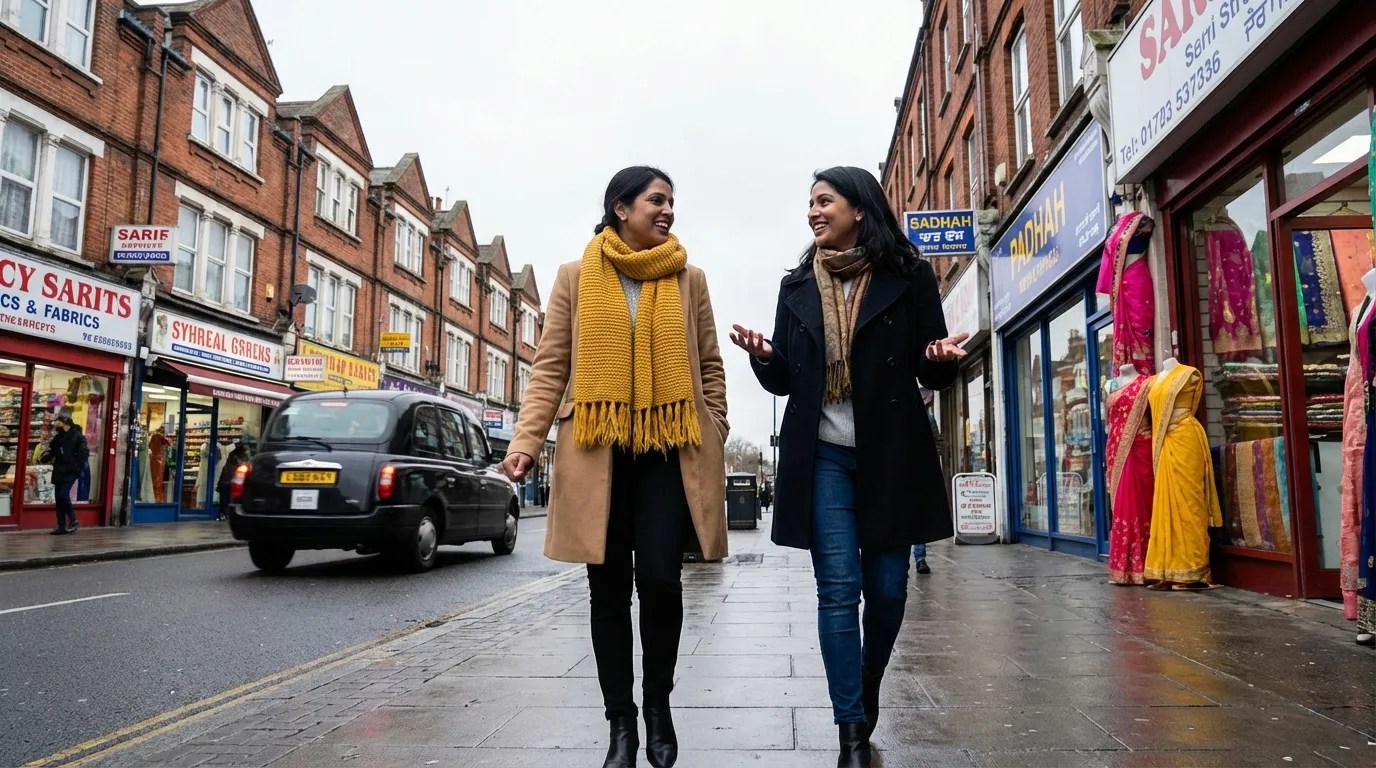
London has some of the best‑known Indian neighbourhoods in the country:
- Southall (West London) – Often called “Little Punjab”, with gurdwaras, Indian fashion shops and street after street of mithai, jalebi, chaat and Punjabi restaurants.
- Hounslow and Heston – A huge South Asian presence, great for everyday groceries, reasonably priced Indian restaurants and easy access to Heathrow if you travel home often.
- Wembley and Kingsbury – Popular with Gujarati and wider Indian families, with temples, vegetarian options and big community events, especially around Diwali and Navratri.
- East Ham and Ilford – A strong mix of Tamil, Telugu and North Indian communities, with budget‑friendlier rents (by London standards) and plenty of South Indian eateries.
Beyond London: major hubs across the UK
Outside the capital, Indian communities in the UK are thriving in places such as:
- Leicester – Often described as one of the most Indian cities in Europe, famous for its Diwali lights on Belgrave Road, saree shops and long‑standing family businesses.
- Birmingham (especially Handsworth, Soho Road and Smethwick) – Large Sikh and Hindu communities, with gurdwaras, temples and Indian supermarkets within easy reach.
- Manchester, Coventry and Reading – Growing numbers of Indian students and professionals, with new restaurants, community groups and student societies helping you settle in more quickly when you move from India to the UK.
When you move to the UK from India, finding your people quickly can turn life here from lonely to lively. Beyond the well-known Indian neighbourhoods in London and other cities, the real heart of the Indian community in the UK often sits inside temples, gurdwaras and community halls. These are the places where friendships start, flatmates are found and tips about jobs in the UK for Indians are quietly shared over chai.
Temples, gurdwaras and mosques as community hubs
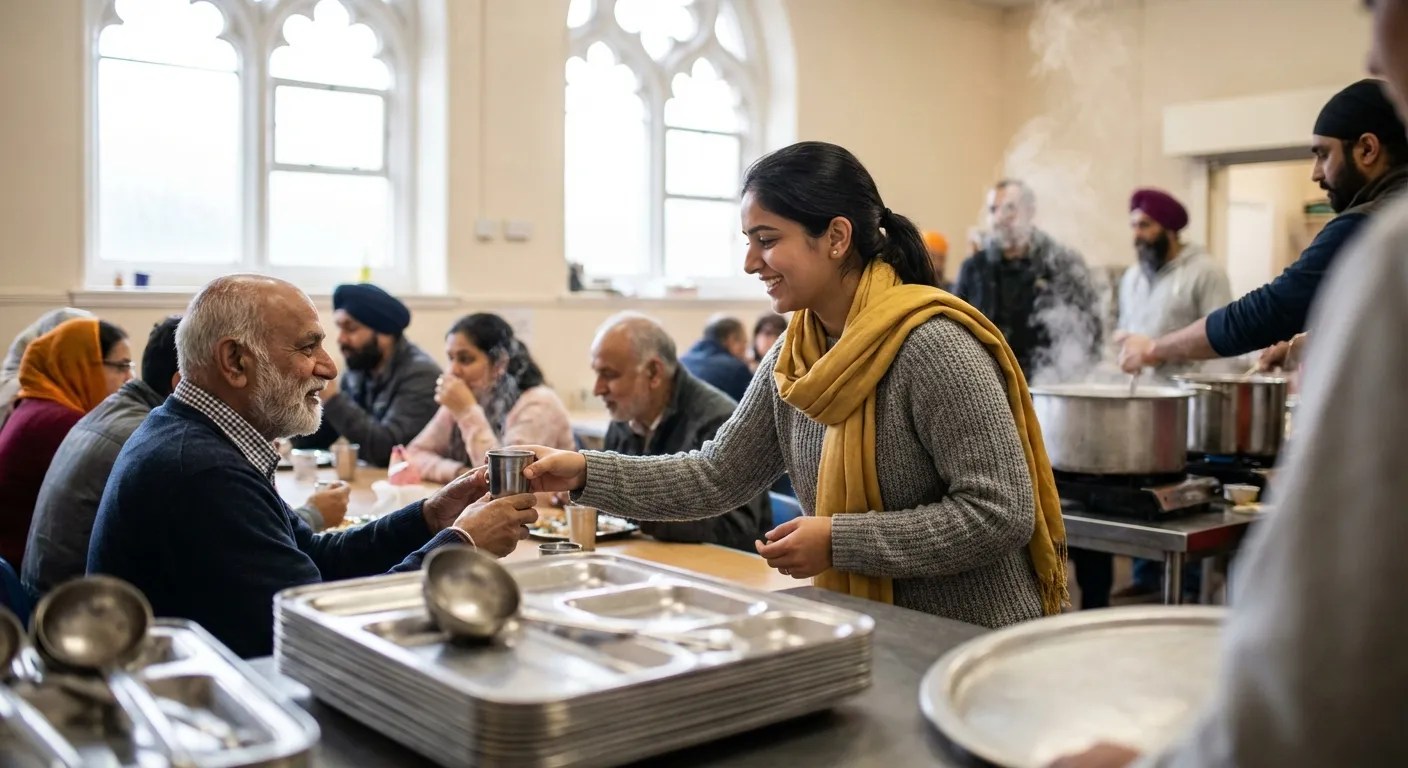
Hindu temples, Sikh gurdwaras and mosques with large South Asian congregations are usually the most welcoming entry point when you first arrive. Areas like Southall, Wembley, Leicester and Birmingham have long‑established mandirs and gurdwaras that often run:
- langar and free meals (especially helpful if you’ve just arrived and are budgeting carefully)
- weekend language and music classes for children
- legal, housing or immigration advice drop‑ins
- volunteering opportunities-a gentle way to meet people while you’re still settling in the UK from India
You don’t need to be deeply religious to go along-many Indians in the UK community visit mainly for the social connection, cultural comfort and sense of home.
Cultural associations, regional groups and festivals
Alongside places of worship, Indian cultural associations linked to specific regions-Gujarati samaj, Bengali, Malayali, Telugu or Tamil groups-as well as pan‑Indian organisations are a great way to meet like‑minded people. They often host:
- Navratri garba nights, Ganesh Chaturthi, Onam and Durga Puja celebrations
- Diwali melas with food stalls, music and dance
- networking evenings for Indian students in the UK and young professionals
Most universities and many towns and cities have Indian student societies and South Asian networks. Even if you’re working rather than studying, you’re usually welcome at their public events. These gatherings are ideal for building a life that goes beyond work-sharing home recipes, swapping cost of living UK-India stories and finding the friends who become your support system.
Landing in a new country with a student card or work ID can feel exciting-but also a bit isolating. If you’re an Indian student at a UK university or a young professional here on a UK visa from India, life really starts to click when your social circle goes beyond campus, the office and the usual Indian hotspots in London, Birmingham, Manchester or wherever you’ve moved.
Campus, societies and making friends beyond your course
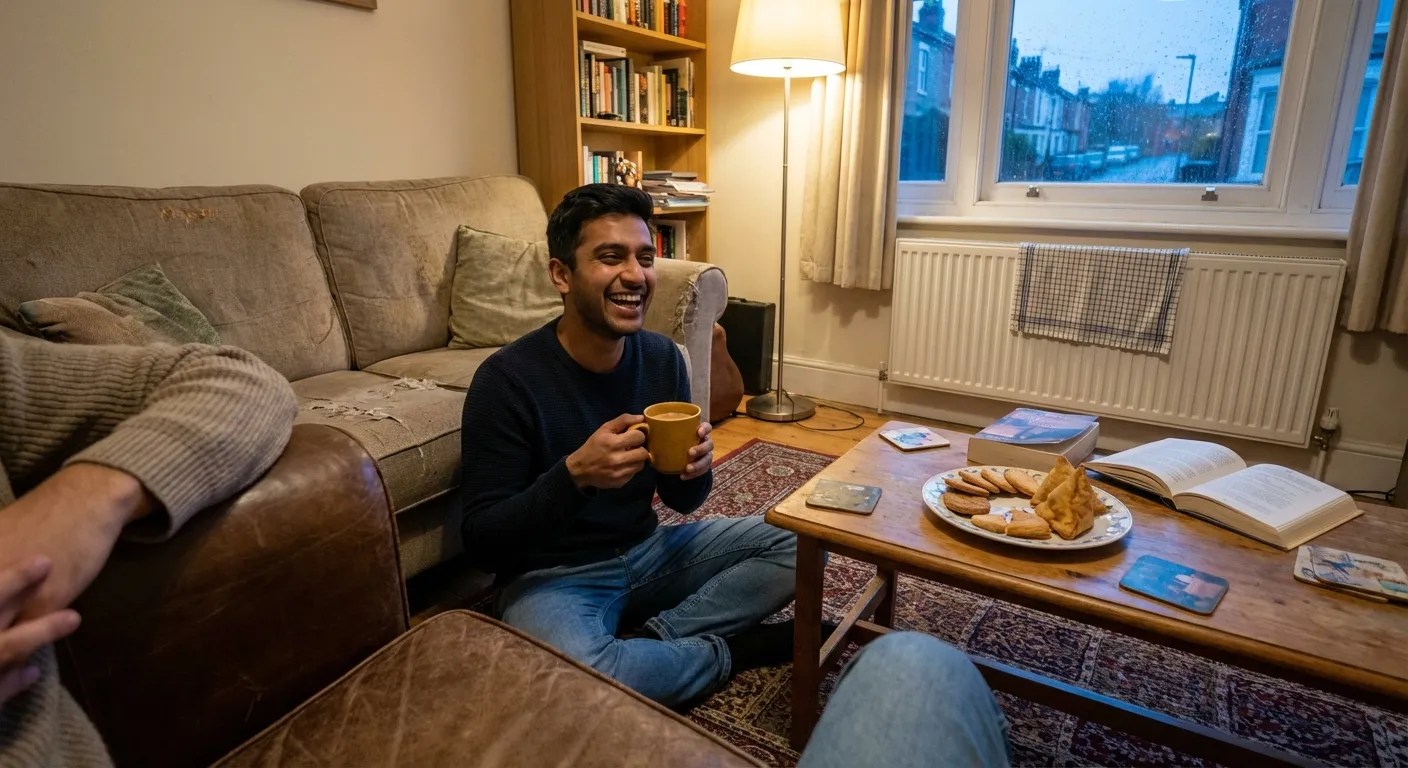
Most universities have active Indian, South Asian or Bollywood dance societies, which are great if you’ve just moved to the UK from India and want familiar faces. But it helps to mix these with wider groups too, so you get to know British and international students as well.
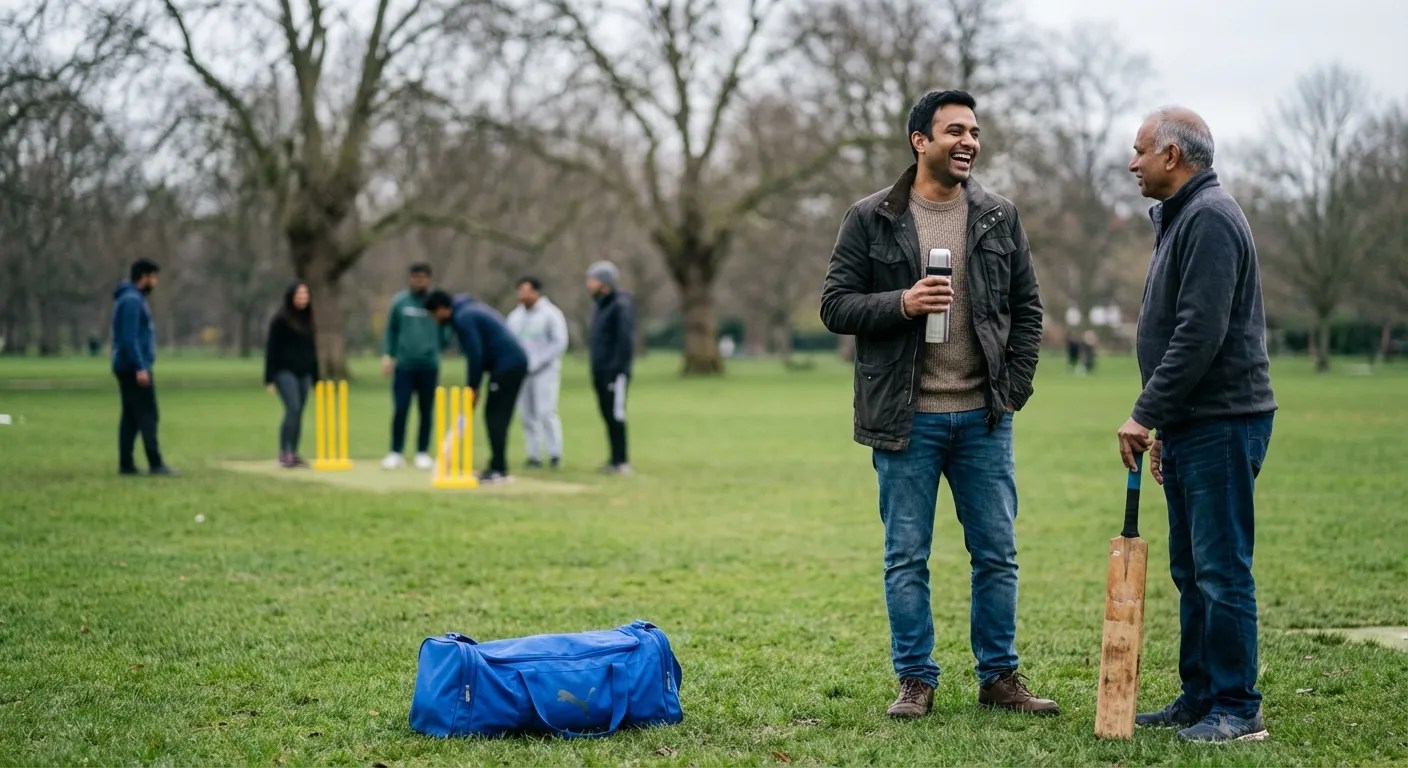
- Join a sports club-football, badminton and cricket are all big hits with Indians in the UK, and they’re a simple way to meet people across different courses.
- Go to language exchanges, debating societies or student radio to meet British and international students in a relaxed setting.
- Volunteer at university events or open days to practise small talk the British way and get used to local humour and habits.
Small student kitchens and shared accommodation can quickly become social hubs too. Hosting chai evenings, biryani nights or Diwali potlucks is an easy ice‑breaker-and a nice way to share a bit of home with your flatmates.
Young professionals: meetups, hobbies and flatmate life
Once you start work, it’s easy to only socialise with colleagues. To make settling in the UK from India feel richer and more balanced, try building a social life around your interests, not just your job title.
- Look for local cricket clubs, running groups, yoga classes or music groups-many meet weekly and are very welcoming to newcomers.
- Try after‑work meetups based on interests-tech, product, design, finance or gaming-rather than nationality alone. Sites like meetup.com or Eventbrite are good places to start.
- Choose house shares instead of studio flats when you can. Living with others in areas popular with young professionals-like Stratford or Canary Wharf in London, or the city centres in Leeds and Glasgow-fast‑tracks friendships and local tips.
Over time, you’ll build a mixed circle-Indian, British and from everywhere else. That’s when the Indian community in the UK starts to feel less like a separate bubble, and more like part of a wider home you’ve created for yourself.
Landing your first role can shape your whole life in the UK, especially if you’ve moved from India on a work or study visa. The good news-there are plenty of jobs in the UK for Indians across tech, healthcare, finance, retail and hospitality, plus part-time roles for Indian students in major cities like London, Birmingham, Manchester, Leeds and Glasgow.
Where Indians in the UK find work

Many people start with entry-level jobs in supermarkets, call centres, delivery, restaurants or care homes while they build local experience and references. Others arrive with job offers in IT, engineering, National Health Service roles or banking in areas like Canary Wharf, the City of London or Edinburgh’s financial district.
You can find opportunities on UK-based job boards, company careers pages and recruitment agencies that focus on international talent. Always check reviews and official websites, and never pay anyone for a “guaranteed” job or sponsorship-genuine employers and recruiters don’t work like that.
Tailoring your CV to UK style really helps. Keep it to 2 pages, add a short personal profile at the top, and focus on measurable results rather than long lists of duties-for example “Increased sales by 15%” rather than “Responsible for sales”.
For interviews, you’ll often get competency questions such as “Tell me about a time when you worked in a team” or “Give an example of how you solved a problem”. Practise clear, structured answers using real examples from your work, studies or volunteering.
Networking inside the Indian community in the UK
Networking within the Indian community in the UK can give you a real boost-many people find their first job through a contact, not a job ad. Look out for:
- city-based WhatsApp and Facebook groups where people share job leads and tips
- Indian professional associations and networks for sectors like IT, medicine or finance
- alumni groups from Indian universities with active chapters in London and other UK cities
- meetups and community events in Indian neighbourhoods-areas like Southall, Wembley, Leicester or Birmingham-where people openly share referrals and advice
Stay open to meeting people outside your own background too. Building a mixed network-at work, at university, through hobbies or volunteering-makes settling in the UK easier and often opens doors to roles you might not see advertised.
Historical roots of South Asian communities in Manchester

This long-form blog explores how South Asian communities first put down roots in Manchester. It looks at the political upheavals, economic hardship and UK labour shortages that worked as “push-pull factors”, shaping people’s decisions to move here. Drawing on powerful oral histories, it shares first impressions of Britain, everyday experiences of racism and discrimination, and the resilience that helped people build new lives in neighbourhoods from Cheetham Hill to Longsight.
Through these personal stories, you see how early migrants created vital support networks, from shared houses and informal advice circles to local shops, social clubs and workers’ associations. Over time, these grew into lasting community spaces-mosques, mandirs, gurdwaras and cultural organisations-that still play a central role in Manchester life today.
As the article shows, these early efforts laid the social and cultural foundations that many people rely on now. If you are a more recent Indian migrant, this history can help you understand how those networks developed, and how you can connect with established communities for friendship, support and a sense of home.
When you move to the UK from India, the biggest adjustment-after the weather-is usually money. The cost of living in the UK compared with India can feel high at first, especially in London and other major cities. But when you plan ahead and know what to expect, life in the UK for Indians becomes easier to manage and you feel more confident settling in.
Cost of living: UK vs India in real terms
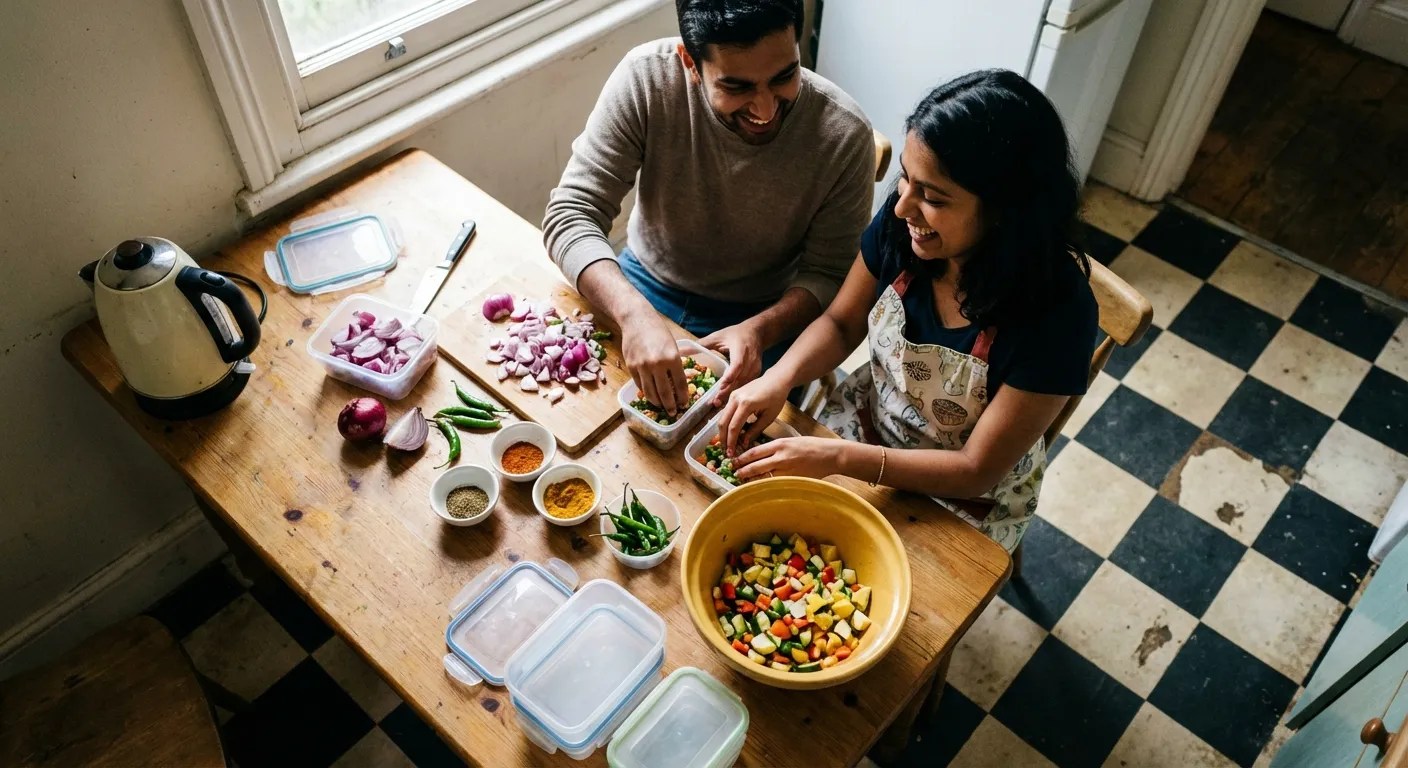
Day to day, you’ll notice higher costs for rent, travel and eating out-but also more predictable monthly bills.
- Rent: This is usually your biggest expense. Many Indians in the UK start with house shares or flatshares to keep costs down, especially in cities like London, Birmingham and Manchester.
- Transport: Monthly bus or Tube passes in cities such as London can look expensive, but if you commute regularly they often work out cheaper than daily taxis or autos back home.
- Groceries: A weekly supermarket shop, topped up with weekend trips to Indian grocery stores for spices and snacks, is usually far cheaper than regular takeaways.
- Utilities and council tax: These are new for many newcomers. Always include gas, electricity, water, internet and council tax in your budget-not just your “room rent”.
Practical money tips for your first year in the UK
- Build a 3-6 month emergency fund in rupees or pounds if you can before you fly-it gives you breathing space while you settle in.
- Use a simple spreadsheet or budgeting app from day 1-and track in pounds, not rupees, so you get used to UK prices.
- Cook at home in batches-think dal, sabzi and rice for a few days at a time. It’s good for your health and your savings.
- Share costs with flatmates for Wi‑Fi, cleaning products and bulk groceries from places like Tesco, Asda or Aldi.
- Compare SIM‑only phone plans and student discounts (for example, railcards and student offers) if you are one of the many Indian students in UK universities.
- Plan your rupee‑to‑pound transfers-small differences in fees and exchange rates can add up a lot over a year when you send money to the UK or back home.
- For a deeper breakdown of rents, bills and everyday expenses, have a look at this detailed guide to moving to the UK from India.
When you set realistic expectations about money, understand jobs in the UK for Indians and tap into support from the Indian community in the UK, your new life here feels more manageable-and a lot more rewarding.


Popular articles




Invite friends to TransferGo, earn £20