

Public transport in UK cost, planner and best apps guide


Send from


Exchange Rate
– – –
GBP 1 = NGN 2030.28232
Transfer Fee
Free – – – 0.99 0.99 USD
Receiver gets


Powered by Moka United
Delivered in minutes
Is UK public transport good and how does it really work across the country?

Public transport in the UK can be brilliant in some places and frustrating in others. If you’re asking “is UK public transport good?” the honest answer is: it depends where you are, what time you travel and how flexible you can be with your plans. Before you compare public transport costs in the UK or download a UK journey planner, it helps to know how the system actually fits together.
The big picture: national network, local rules
Most long‑distance journeys are by train. Different private companies run the trains under government contracts, but they all use the same National Rail network. You can usually buy 1 ticket that covers several train companies on the same route, which makes cross‑country trips fairly simple-even if you have to change at busy hubs like Birmingham New Street, Manchester Piccadilly or York.
Local transport-buses, trams, metros and ferries-is organised area by area. London has Transport for London (TfL), which brings buses, the Tube, the Overground, trams, the DLR and some rail services under 1 system with contactless and Oyster. Other cities such as Manchester, Glasgow, Edinburgh, Cardiff and Nottingham have their own set‑ups, with their own tickets, caps and rules.
Outside the big cities, local councils often work with private bus companies. That’s why tickets that work on every bus in London don’t always work on every bus in, say, Kent or Yorkshire-you’ll usually need to check which company runs your route.
How it works day to day
For most trips, you’ll mix different types of transport-for example, a train into Leeds or Bristol, then a local bus or tram to your final stop. Services are frequent and fairly reliable in large cities and on main rail routes like London-Manchester or Edinburgh-Glasgow.
Rural areas and smaller towns often have fewer buses, especially in the evenings and on Sundays, and some last services can be earlier than you’d expect. In those places, checking the timetable before you leave really matters, and you might find that trains and coaches are the most dependable options for longer distances.
Everything runs on timetables, backed up by live updates in apps, on station departure boards and at bus stops in many towns and cities. Once you know who runs what in your area-and you get into the habit of checking times before you travel-UK public transport can work smoothly for everyday commuting, school runs and longer trips between major towns and cities.
Table of contents
- Is UK public transport good and how does it really work across the country?
- Public transport cost in the UK and how to save money with railcards and passes
- UK public transport planner tips for trains, buses, trams and the Tube
- Best app for UK public transport: live updates, tickets and journey planning
- Peak times, accessibility and safety on public transport in the UK
- Is UK public transport good overall and is it worth using instead of driving?
Public transport cost in the UK and how to save money with railcards and passes
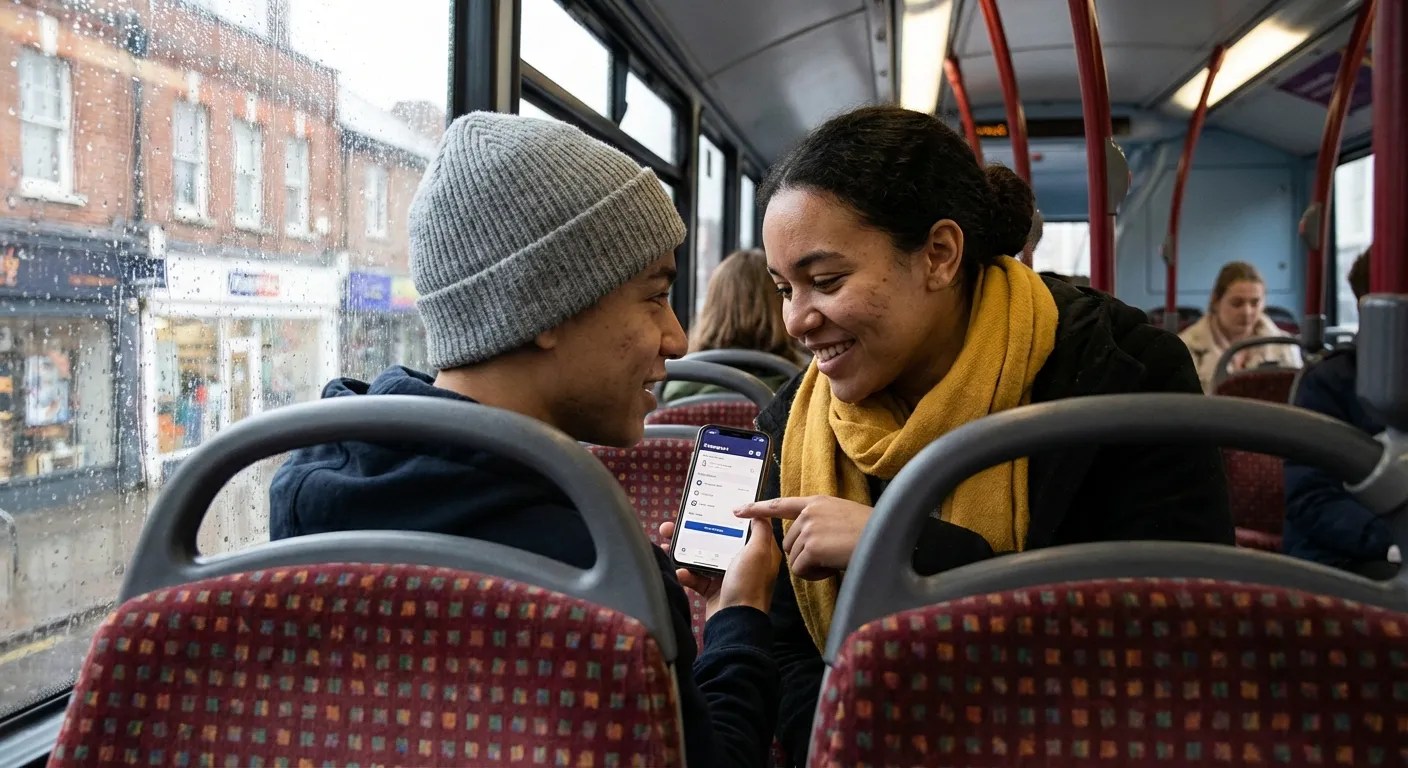
Public transport costs in the UK can feel high at first, but you have plenty of ways to cut what you spend once you know how. If you’re wondering “is UK public transport good value?”, this is where railcards, passes and a good UK public transport planner-or the best app for UK public transport-start to make a real difference.
Typical costs: trains, buses and city transport
Train prices vary a lot. An Anytime ticket from Manchester to London can easily be £150+ on the day, while Advance tickets for the same route can drop below £40 if you book early. Off-peak returns usually sit somewhere in the middle.
Local buses are cheaper. In England, many single fares are currently capped at around £2, while day tickets in cities like Manchester, Leeds or Birmingham are often £4-£6 for unlimited local travel. In London, you tap in with contactless or Oyster and benefit from daily caps-for example, Zone 1-2 travel usually comes in under £9 per day.
How to save: railcards, passes and smart planning
- Railcards: If you use trains even a few times a year, a Railcard can cut around 1/3 off most rail fares. You can choose from 16-25, 26-30, Two Together, Family & Friends and Senior Railcards, plus regional options like the Network Railcard in the South East.
- Season tickets: If you commute on the same route, weekly, monthly or annual season tickets usually work out far cheaper than buying daily returns-especially between major commuter towns and cities.
- Bus and tram passes: Most UK cities offer day, week or month passes that cover buses (and sometimes trams) across multiple operators, which can be great value if you travel regularly.
- Off-peak and Advance tickets: Travel outside the morning rush and book in advance where you can-especially for longer train journeys-to unlock the lowest prices.
Planning journeys on public transport in UK cities and beyond gets much easier when you know a few local tricks. If you’ve been wondering “is UK public transport good?”, this is where a smart UK public transport planner-and the best app for UK public transport-can turn a confusing map into a simple, everyday routine.
UK public transport planner tips for trains, buses, trams and the Tube
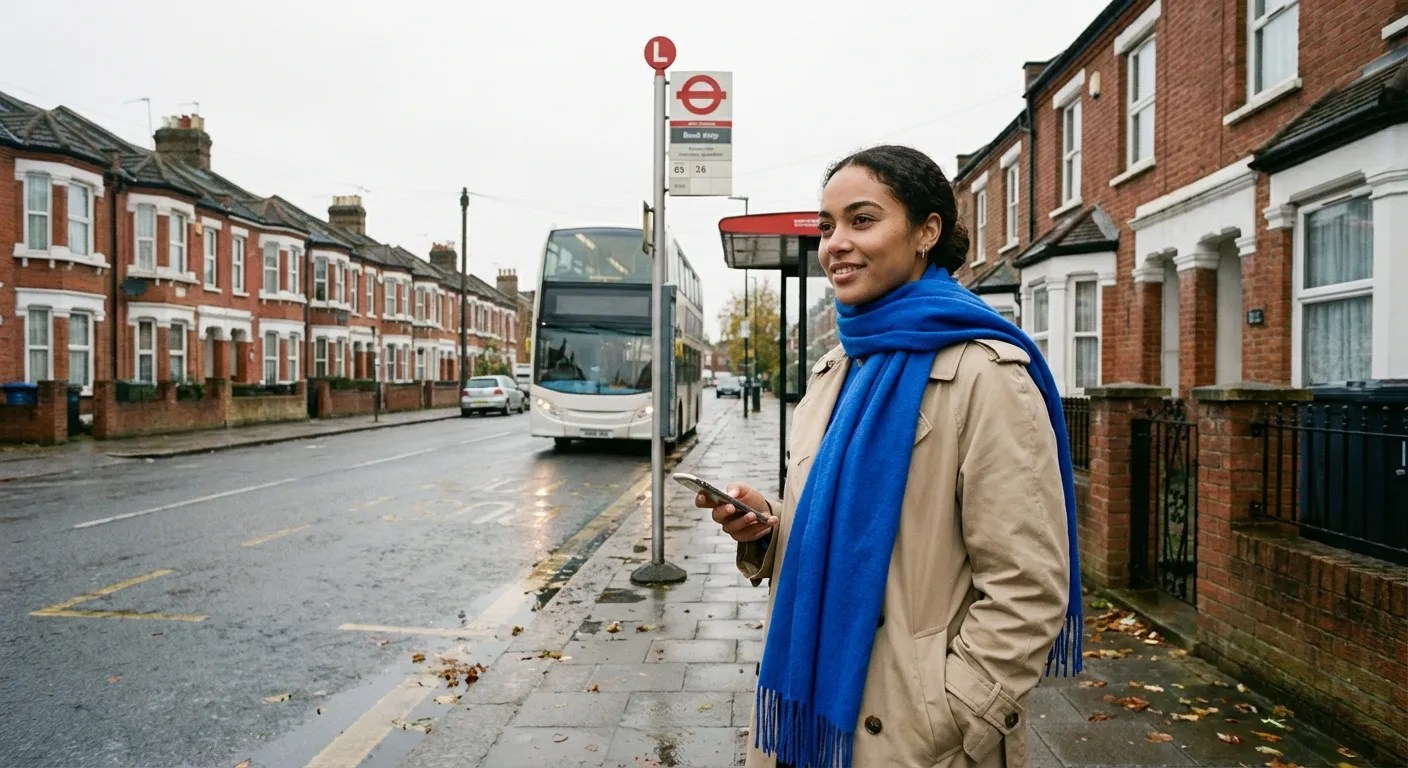
For longer distances, start with trains. Before you travel, check 2 things: whether your train is direct and whether it’s fast or all stops. A slower stopping service can add 30+ minutes between, say, Birmingham and Manchester.
- Changes: Note where you change and how long you have. In busy hubs like Birmingham New Street or Clapham Junction, 5 minutes can be tight, especially if you don’t know the layout.
- Platforms: Platforms can change on the day, so always double‑check the departure boards when you reach the station.
- Peak times: Avoid commuter hours if you can-trains into London, Leeds or Glasgow between 07.00-09.30 and 16.30-19.00 are usually crowded and seats can be hard to find.
Using buses, trams and the Tube like a local
For city travel, buses and trams are good value, especially if you’re keeping an eye on public transport costs in UK cities.
- Buses: In London, you can’t pay cash, so use contactless or an Oyster or other smartcard. In other towns and cities, check in advance whether you pay the driver, tap a contactless reader or buy tickets on an app.
- Trams: Systems in places like Manchester, Nottingham, Sheffield and Edinburgh usually have ticket machines at stops-buy before you board to avoid a penalty fare.
- Tube and urban rail: Stand on the right on escalators and let people off before you get on. When you change lines, follow the colour‑coded signs and symbols, not just station names-it’s quicker and makes it easier not to get lost.
Combine these habits with a live journey planner app and you’ll move around the UK confidently, even if it’s your first time.
If you only remember one thing about apps for public transport in the UK, make it this: use more than one. The best app for UK public transport depends on whether you care more about live updates, tickets or journey planning. Using a mix makes it easier to handle delays, last‑minute changes and the sometimes confusing cost of public transport in UK cities and beyond.
Best app for UK public transport: live updates, tickets and journey planning

Essential journey planning and live update apps
- Citymapper – Ideal for London, Manchester and Birmingham. It compares Tube, trains, buses, trams, bike hire and walking, shows real‑time disruption and gives clear step‑by‑step directions, including which carriage to board on the Tube.
- Google Maps – Handy as a general UK public transport planner, especially outside big cities. It’s not perfect on live delays, but it’s great for working out walking times and combining walking with buses or trains.
- National Rail apps – The National Rail app or individual train company apps are usually your best bet for nationwide train times, live platform changes and delay information when you’re travelling between towns and cities.
Apps for tickets, passes and tapping in
- Train company apps – Apps from operators such as Avanti West Coast, LNER and GWR let you buy e‑tickets, reserve seats and sometimes find cheaper advance fares than at the station.
- Local bus apps – In many areas, operators like Stagecoach, First Bus or Lothian have apps where you can buy mobile tickets and check live bus locations before you leave the house.
- TfL Oyster and contactless tools – In London, use Transport for London’s online tools to track your contactless or Oyster charges and caps so you can see whether your daily or weekly spend beats the cost of a paper Travelcard.
Using a couple of these together helps you decide in real time whether UK public transport works for your trip-before you tap in or buy a ticket.
Peak times, accessibility and safety on public transport in the UK
Peak times, accessibility and safety are the 3 things that can make public transport in the UK feel either smooth or stressful. If you’re still wondering “is UK public transport good?” after seeing the cost of trains and buses or trying a UK public transport planner or the best app for UK public transport, this is where your day-to-day experience really matters.
Public transport is usually busiest at:
- Weekday rush hours: roughly 07.00-09.30 and 16.30-19.00, especially on commuter trains into London, Manchester, Birmingham, Leeds and Edinburgh.
- School times: local buses are busier around 08.00-09.00 and 15.00-16.30.
- Big events: football matches, concerts and festivals can pack out trains, the Tube and city-centre buses.
If you want a quieter journey, try travelling slightly earlier or later, choose off-peak tickets where you can and keep an eye on live crowding indicators in your journey apps.
Accessibility and feeling safe on UK public transport
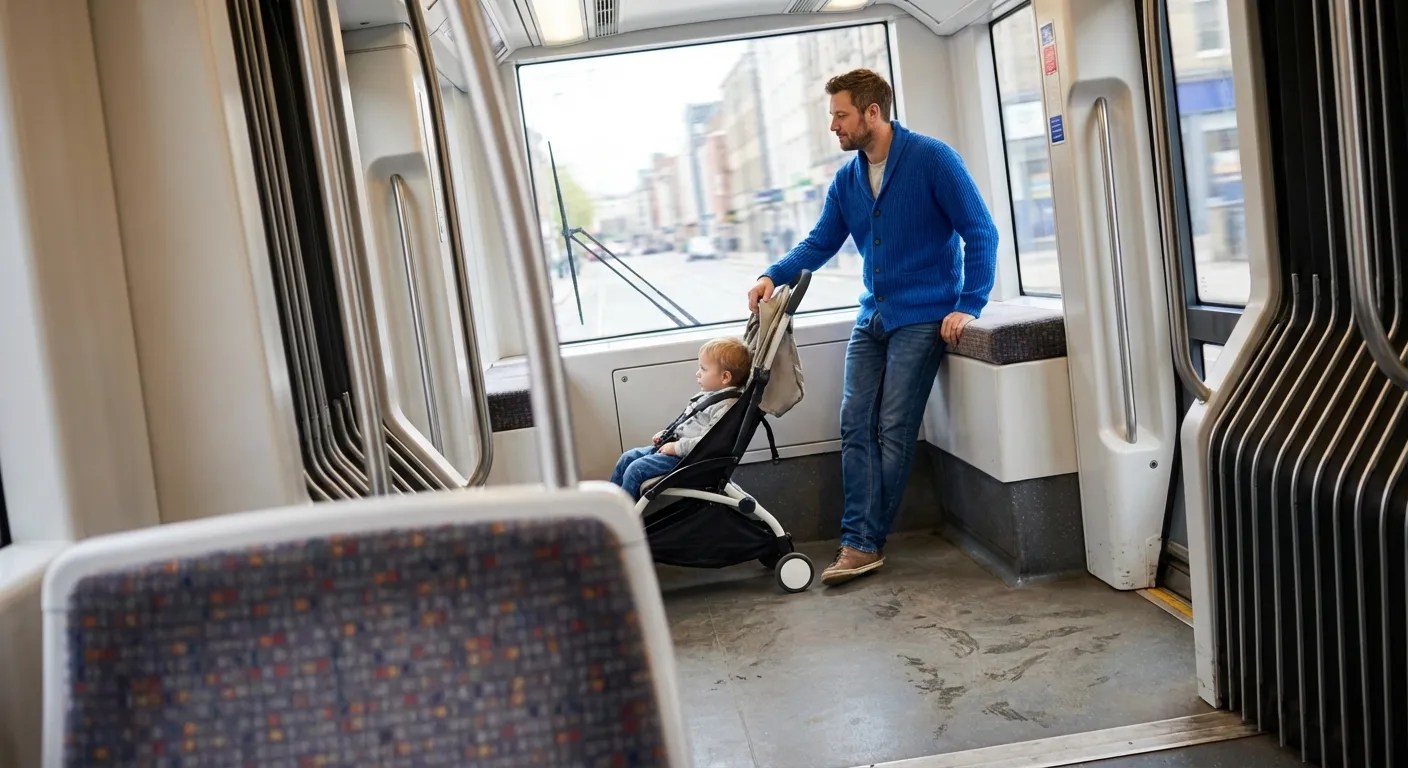
Most newer trains, trams and London buses are low-floor, with space for wheelchairs and buggies, clear audio and visual announcements and priority seating. On the London Underground and at some rural or older stations, you might still find only stairs or a gap between the train and the platform, so it’s worth checking step-free access and lifts when you plan your route.
When it comes to safety, you’ll usually see:
- CCTV and staff at major stations and across many bus and tram networks.
- Help points on platforms so you can speak to staff quickly in an emergency or if you feel unsafe.
- Night services in bigger cities, with well-lit stops and regular passengers, especially on popular routes.
To feel more comfortable, sit in busier carriages, keep your valuables out of sight and, if something doesn’t feel right, move seats or speak to a member of staff. Most people find public transport in the UK feels safe overall-planning ahead and staying aware of your surroundings makes a big difference.
Is UK public transport good overall and is it worth using instead of driving?

When you put everything together-services, public transport costs in UK cities, planning tools and live updates-the real question becomes: is UK public transport good enough to leave the car at home, at least some of the time? For a lot of people, the answer is yes, especially when you build good planning habits and keep the best UK public transport app on your phone.
When public transport beats driving
In many UK towns and cities, public transport usually wins for everyday commuting and nights out. In London, Manchester, Birmingham, Glasgow and similar cities, driving often means sitting in traffic, paying for parking and thinking about clean air zones and congestion charges. Trains, trams and buses let you read, relax or scroll instead of staring at brake lights.
If you travel between major cities-London to Manchester, Leeds to Edinburgh, Bristol to Cardiff-intercity trains can be faster door to door than driving, especially at busy times. You also avoid motorway fatigue, service-station prices and the stress of hunting for a parking space when you arrive.
When driving might still make more sense
There are still plenty of situations where a car is easier. Rural areas with a bus every couple of hours, late-night shifts in places with no night services, or family trips with lots of luggage can all tilt things towards driving. If you already own a car and mainly make short, off‑peak journeys with several people, the extra cost per trip can sometimes beat a full‑fare ticket.
For many people in the UK, the sweet spot is a mix: use public transport whenever it’s frequent, safe and reasonably priced, and keep driving for the gaps-very early mornings, remote locations and journeys with awkward connections. That way you save money, cut stress and reduce your carbon footprint, without losing the flexibility of having a car when you genuinely need it.


Popular articles




Invite friends to TransferGo, earn £20