
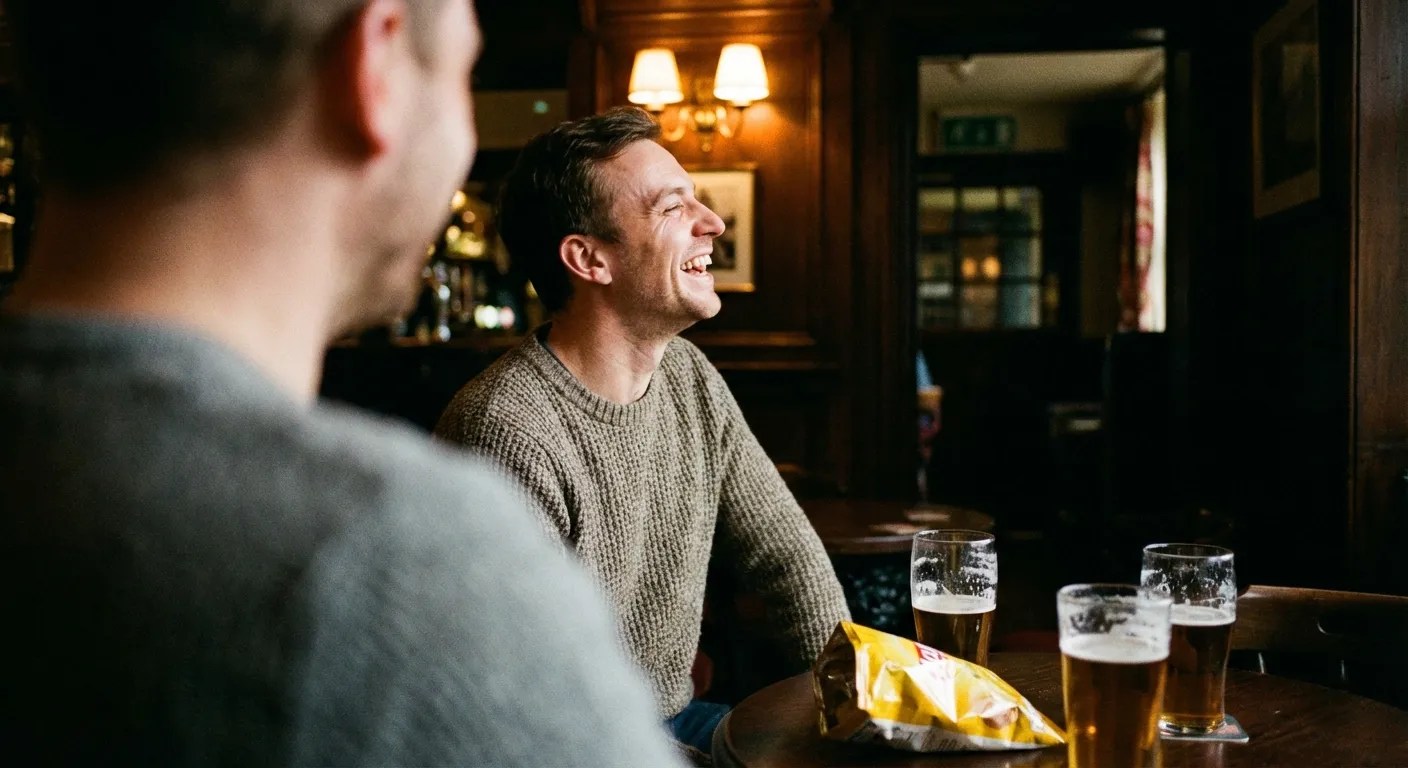
UK lifestyle and culture traditions values and daily life


Send from


Exchange Rate
– – –
GBP 1 = NGN 2030.28232
Transfer Fee
Free – – – 0.99 0.99 USD
Receiver gets


Powered by Moka United
Delivered in minutes
UK culture and lifestyle explained: the basics
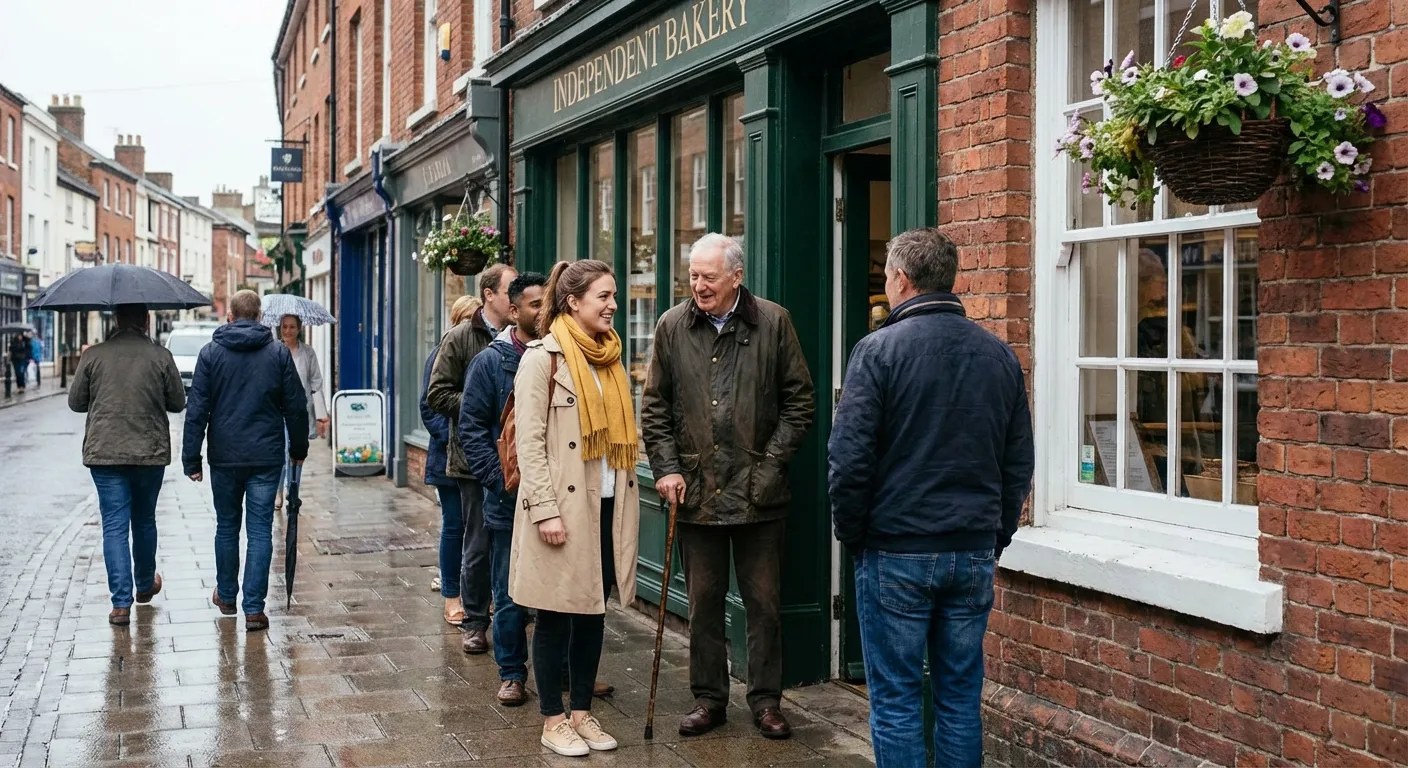
UK culture can feel familiar from films and TV, but everyday life in the United Kingdom is more varied and down to earth than you might expect. At its heart are a few shared ideas: fairness, politeness, a dry sense of humour and a strong respect for personal space. These shape UK culture and traditions at home, at work and in public.
You’ll see people queuing calmly, saying “sorry” even when it’s not their fault and chatting about the weather to break the ice. Work-life balance in the UK matters too-many people finish work around 17.00-18.00 and protect weekends for family, football, hobbies or a quick drink at the pub. Across England and the wider British culture, there’s no single “right” way to live, but there is one shared value: let others live how they like, as long as they’re respectful.
- UK culture and lifestyle explained: the basics
- British culture and traditions: from tea to talking about the weather
- British social etiquette and unspoken rules for everyday life in the United Kingdom
- British humour and understatement: how jokes, sarcasm and irony work in the UK
- Fundamental British values and everyday life in the UK
- Work life balance in the UK and what to expect from British office culture
- Modern UK lifestyle and culture: how traditions are changing across England, Scotland, Wales and Northern Ireland
British culture and traditions: from tea to talking about the weather

Afternoon tea is one of the best-known symbols of UK culture and traditions. In reality, most people just have a quick brew at their desk or in a chipped mug at home-but offering someone a cup of tea is still a classic way to show warmth and start a conversation in everyday life in the United Kingdom.
Queuing is almost an unwritten law. Whether you are at the bus stop, in Tesco or waiting for a cash machine, you stand in line, keep your place and avoid pushing in. If someone skips the queue, you will usually only hear a quiet “Sorry, I think there is a queue.”
Small talk oils the wheels of UK lifestyle and culture. Typical topics are the weather, train delays, football or weekend plans-safe subjects that help people stay polite, avoid conflict and keep British social etiquette running smoothly.
British social etiquette and unspoken rules for everyday life in the United Kingdom
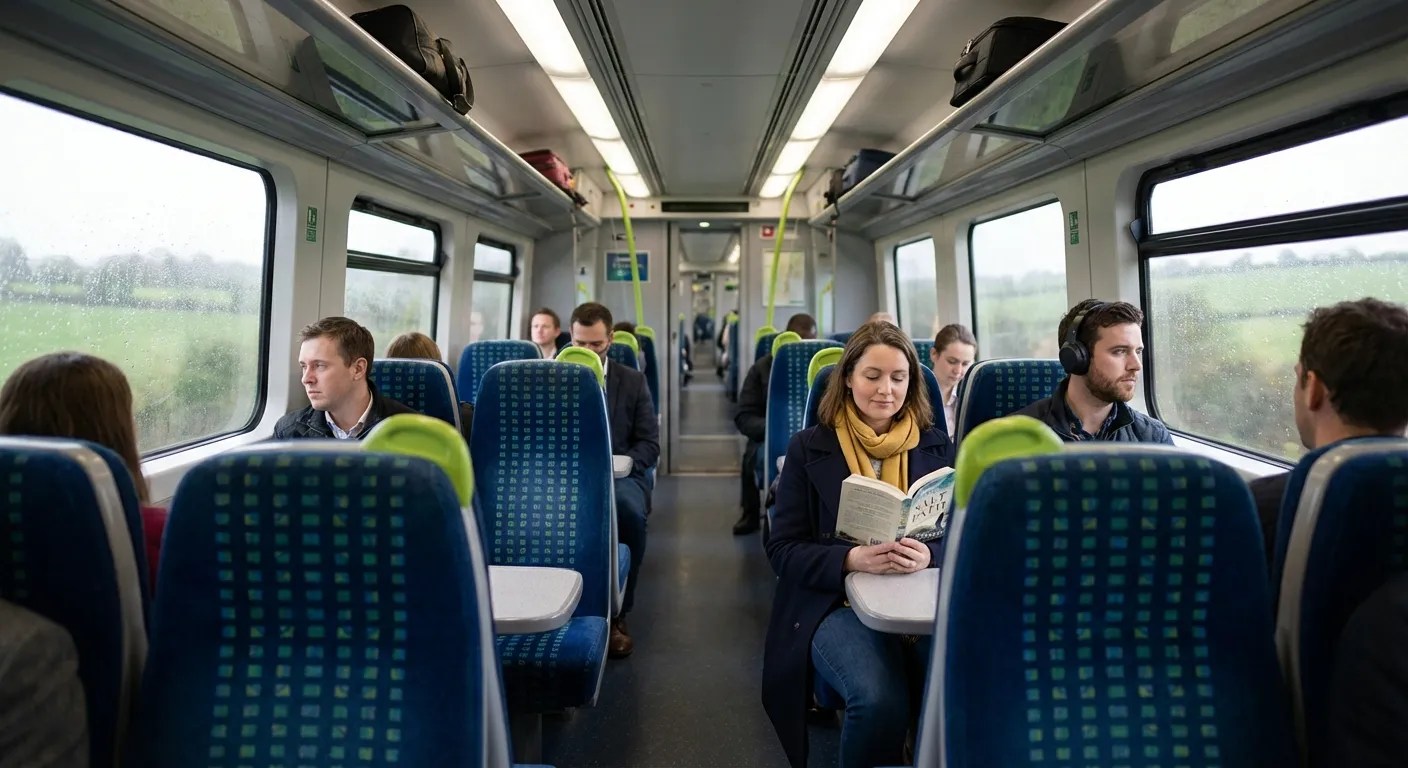
Understanding British social etiquette helps you feel at home in everyday life in the United Kingdom. A lot of UK lifestyle and culture is about being polite, staying calm and not making a fuss.
You’ll hear “sorry” for almost everything-standing in someone’s way, asking a question or even when someone else bumps into you. People usually speak quietly in public and try not to draw attention. On buses and trains, many prefer a bit of personal space, with headphones in and eyes on a book or their phone.
If you’re invited to someone’s home, it’s thoughtful to bring a small gift such as biscuits, flowers or a dessert from a local supermarket. When you’re staying with British friends, offer to help clear up, wash the dishes or make a round of tea. And even if the meal isn’t your favourite, it’s polite to say something like “That was lovely, thank you” before you leave the table.
British humour and understatement: how jokes, sarcasm and irony work in the UK

British humour and understatement are a big part of everyday life in the UK. They shape how people cope with stress, build friendships and handle awkward moments-whether that’s in the office, at the pub or on the bus home in the rain.
You’ll notice three common themes:
- Understatement – playing things down. A disaster might be “a bit of a nightmare”, and heavy rain is simply “not ideal”.
- Self-deprecation – making light jokes about yourself, your cooking, your football team or your dodgy DIY.
- Sarcasm and irony – saying the opposite of what you mean, often with a straight face. For example, “Brilliant timing” when the train is 30 minutes late.
When someone says “not bad” in the UK, they often mean “very good”. Context, tone of voice and facial expressions matter. If you’re new to British culture, it’s usually easier to listen first, notice how people tease each other and then slowly join in once you understand the group’s style of joking.
Fundamental British values and everyday life in the UK
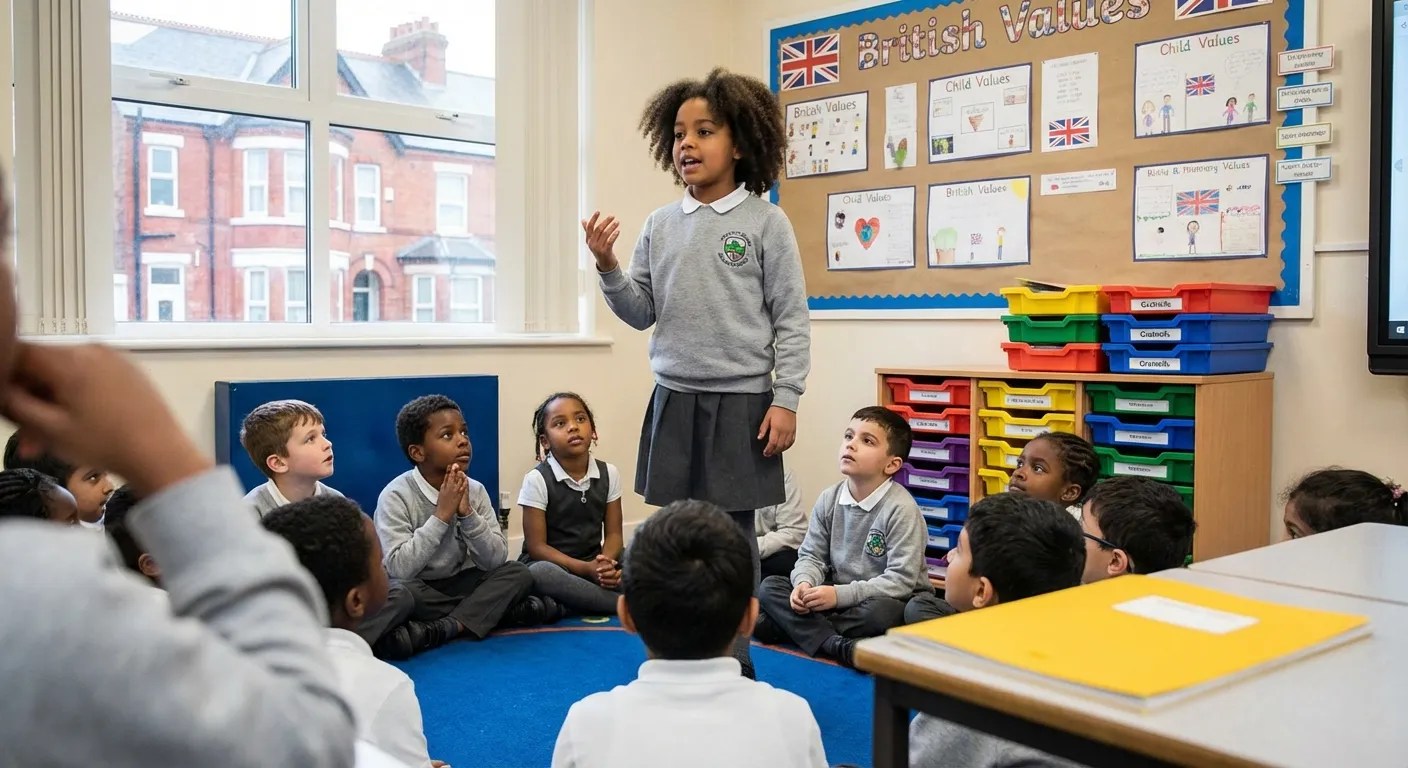
At St Michael’s First School, fundamental British values are woven into everyday school life. As outlined in their British values article, the school promotes democracy, the rule of law, individual liberty, mutual respect and tolerance through lessons, worship and daily routines. The aim is to prepare children for life in modern Britain by helping them understand their rights and responsibilities, respect different views and take part in their community.
- Children explore democracy and the rule of law through practical activities such as class debates, role-play and visits from local officials, so they can see how decisions are made and why rules matter.
- British culture is brought to life by marking key traditions and festivals, and by talking about what makes living in Britain distinctive-from local customs and public services to everyday experiences like queuing, saying “please” and “thank you”, and looking out for your neighbours.
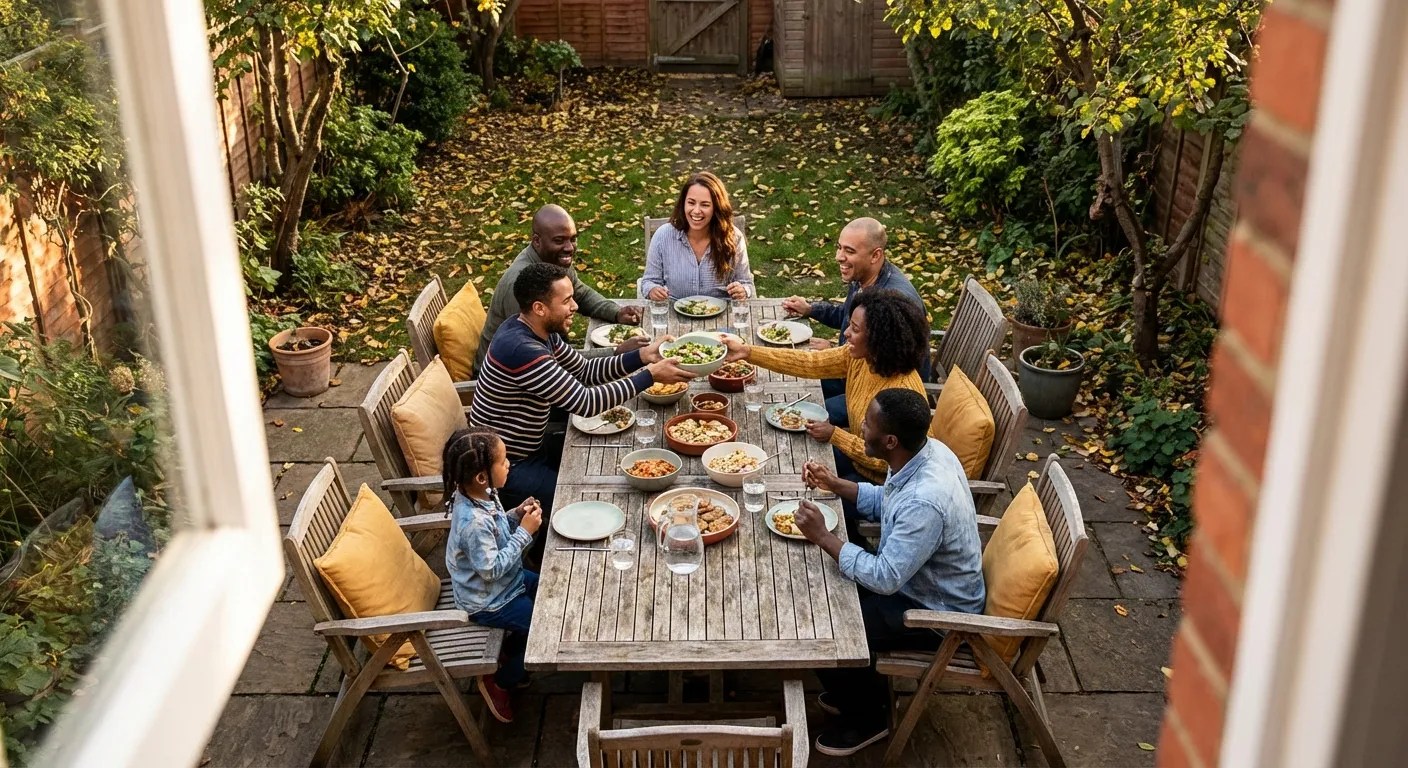
This English-language study guide walks you through the key customs and traditions you’ll come across in the UK, focusing on both religious and secular celebrations that shape everyday life in a modern, thriving society.
As you’ll see in the article, it explains how Christian festivals such as Christmas and Easter are marked across the country-from family gatherings and special church services to school holidays and public events.
It also highlights important non-Christian festivals, including Diwali, Eid, Vaisakhi and Hanukkah, showing how different communities celebrate with food, music, prayer and street festivals in cities like London, Birmingham, Manchester and Glasgow.
Beyond religious traditions, the guide introduces key cultural dates such as Bonfire Night, Remembrance Day and the UK’s bank holidays, so you can understand why offices close, why children have time off school and why you might suddenly see fireworks on a cold evening in November.
Together, these examples give you a clear, practical picture of public holidays and shared customs in UK culture, and how they fit into day-to-day life for people living, working or studying here.
Work life balance in the UK and what to expect from British office culture

Work-life balance in the UK is a big part of everyday life and it shapes modern British office culture more than many people realise.
Most full-time staff work around 37-40 hours a week, and it’s normal to finish between 17.00 and 18.00. Staying very late every day is not usually seen as dedication-more often, it suggests poor time management or unrealistic workloads. You’re encouraged to take your full annual leave, and bank holidays are treated as genuine days off, not “optional” extras.
Offices tend to feel polite but relaxed. People usually use first names, share tea and coffee rounds and enjoy light British humour and understatement in meetings. Punctuality matters-arriving 5-10 minutes early for interviews and client calls is standard. Flexible and hybrid working are increasingly common, but clear communication, setting boundaries and respecting colleagues’ time are still at the heart of British work etiquette.
Modern UK lifestyle and culture: how traditions are changing across England, Scotland, Wales and Northern Ireland

Modern UK culture is a mix of long-standing traditions and fresh influences-and it looks slightly different in each nation. From everyday routines to how you spend your weekends, lifestyle in the UK keeps evolving while staying rooted in local identity.
In England, big cities like London, Manchester and Birmingham feel fast-paced and global, with diverse food, nightlife and creative industries. You’ll find pop-ups, street food at lunchtime and late-night gigs after work. Smaller towns and villages often move at a different pace, with life still centred around the high street, local pubs, community centres and football clubs on a Saturday afternoon.
Scotland blends a strong national identity-think ceilidhs, Hogmanay celebrations and Highland games-with a modern tech and gaming scene in cities like Edinburgh, Glasgow and Dundee. Traditional music sessions share space with start‑up hubs and creative studios, and younger Scots often move between both worlds in a single weekend.
In Wales, a growing Welsh language revival sits alongside everyday English, especially in schools and community events. Rugby remains a huge part of national life, with match days bringing people together across generations. At the same time, film and music scenes are expanding in Cardiff, Swansea and along the south coast, from independent cinemas to live gigs in small venues.
Northern Ireland has seen everyday life shift towards more shared cultural experiences-street food markets, comedy nights, festivals and live music in cities like Belfast and Derry. These sit alongside more traditional parades, local sports and community gatherings that still play a big role in people’s routines.
Wherever you live-England, Scotland, Wales or Northern Ireland-you’ll see the same pattern: familiar traditions are still there, but they now sit alongside new lifestyles, international influences and digital habits that connect people across the UK and abroad.


Popular articles





Invite friends to TransferGo, earn £20